

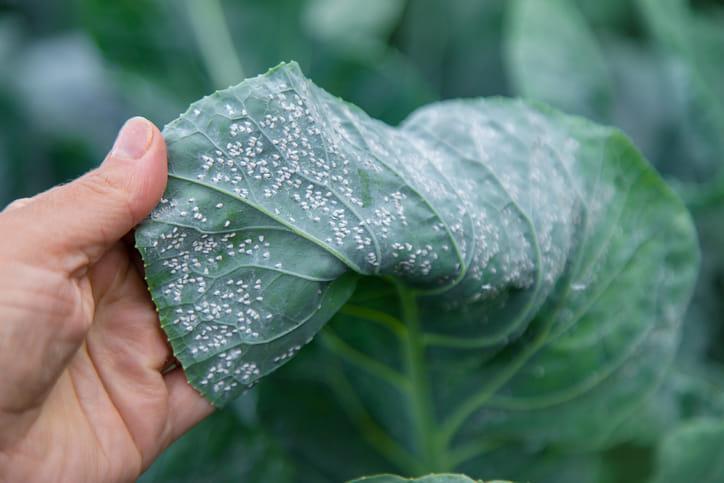
Vegetable farming gives high returns but also faces heavy pest pressure. Spraying chemicals every week is expensive, harmful to soil and water, and leads to pesticide resistance. Integrated Pest Management (IPM) combines cultural, mechanical, biological, and chemical methods to control pests with minimum cost and damage.
What Is IPM?
IPM is a step-by-step approach that uses every available tool — clean seed, healthy soil, regular scouting, natural enemies, traps, and targeted sprays — only as much as needed and only when pest counts justify it. Sprays are the last resort, not the default.
Core Principles of IPM in Vegetables
- Prevention before cure.
- Regular field monitoring (scouting).
- Spray only above Economic Threshold Level (ETL).
- Protect natural enemies and pollinators.
- Rotate chemical groups to avoid resistance.
- Choose less toxic, target-specific products first.
1. Cultural Practices
- Use certified, disease-free seed and quality seedlings.
- Rotate vegetables with cereals or pulses every 2 to 3 seasons.
- Avoid back-to-back Solanaceae crops (tomato → brinjal → chilli).
- Maintain proper spacing for airflow.
- Apply balanced fertilization; avoid excess nitrogen.
- Plant trap crops — marigold around tomato, mustard around cabbage.
2. Mechanical and Physical Methods
- Install pheromone traps for fruit borer in tomato and brinjal (4 to 6 per acre).
- Yellow sticky traps for whiteflies, aphids, jassids (8 to 12 per acre).
- Blue sticky traps for thrips.
- Light traps for moths in cabbage and cauliflower.
- Handpick large caterpillars and egg masses where feasible.
- Use 40 to 50 mesh insect-proof net for nursery and polyhouse.
3. Biological Control
- Release Trichogramma chilonis at 60,000 eggs per acre for fruit borer.
- Use Chrysoperla for aphids, mites, whiteflies (10,000 to 15,000 per acre).
- Use Trichoderma viride and Pseudomonas fluorescens as seed and soil treatment.
- Spray Beauveria bassiana or Verticillium lecanii in humid weather.
- Conserve natural predators — ladybirds, spiders, dragonflies.
4. Botanical and Organic Sprays
- Neem oil (1500 to 10000 ppm) at 3 to 5 ml per litre.
- Neem seed kernel extract (NSKE) at 5 percent.
- Pongamia oil for mealybugs and scales.
- Soap-water spray on tender vegetables for soft-bodied insects.
5. Chemical Control (Last Step)
Use chemical pesticides only above ETL, with these rules:
- Always read the label, follow dose, water volume, and waiting period.
- Rotate chemical groups every 2 to 3 sprays to delay resistance.
- Use selective products (e.g., Spinosad for thrips, Emamectin benzoate for caterpillars) over broad-spectrum ones.
- Avoid spraying during flowering to protect pollinators.
- Wear PPE and store chemicals safely.
ETL Examples for Common Vegetable Pests
Crop | Pest | ETL |
|---|---|---|
Tomato | Fruit borer | 1 egg or larva per plant |
Brinjal | Shoot and fruit borer | 5 percent shoot damage |
Cabbage | Diamondback moth | 2 larvae per plant |
Okra | Jassid | 5 nymphs per leaf |
Chilli | Thrips | 5 thrips per leaf |
ETL values may vary by region. Confirm with your local KVK or state extension service.
Conclusion
IPM in vegetables reduces cost, protects soil and water, and gives more stable yields. Combine prevention, scouting, bio-agents, traps, and targeted sprays. Always follow label instructions and consult your local agriculture officer for crop-specific recommendations.