Key Features:
- Seasonal Overview: The Zaid crop season occurs between March and June, providing farmers with an opportunity to grow short-duration crops that yield extra profit between the main harvest seasons (Rabi and Kharif).
- Ideal Crops for Zaid Season: Watermelon, muskmelon, cucumber, pulses such as moong dal (green gram), and fodder crops.
- Benefits for Farmers: Increased income, improved soil utilization, and efficient land use.
- Tractors for Zaid Farming: Mini tractors like Captain 200 DI 2WD and Captain 250 DI 4WD are perfect for Zaid season due to their compact size and fuel efficiency.
What is the Zaid Season, and Why Should Farmers Care?
The Zaid crop season is a short agricultural period in India, which takes place between March and June. This time is crucial because it falls between the Rabi and Kharif seasons. During this season, farmers can cultivate crops that mature quickly in about 60 - 90 days, allowing them to maximize land usage and increase their income. This farming period is highly dependent on irrigation rather than rainfall, making it ideal for farmers with access to water resources.
Why is the Zaid Crop Season Important for Farmers?
The Zaid season allows farmers to make the most of their land between the Rabi and Kharif harvests. Instead of letting the land stay idle, farmers can grow quick-growing crops that yield high returns. By utilizing modern farming equipment, such as mini tractors, farmers can prepare their land efficiently and enhance productivity during this season.
How Does Zaid Season Farming Boost Income?
Farmers can earn additional income through the Zaid season by planting fast-maturing crops such as watermelon, muskmelon, cucumber, and moong dal. This seasonal farming helps farmers make the most of their land, boosting their overall profit. The quick returns on these crops, along with lower input costs, make Zaid farming a great opportunity.
|
Crop Type |
Examples |
Profit Highlights |
|---|---|---|
|
Fruits |
Watermelon, Muskmelon |
High profit margins (50%–95%) |
|
Vegetables |
Cucumber, Bitter Gourd |
Quick returns (30–90 days) |
|
Pulses |
Moong Dal, Urad Dal |
Improves soil health, high demand |
|
Fodder |
Fodder Maize, Sorghum |
Essential for livestock, high return |
What Are the Best Crops to Grow During the Zaid Season?
Farmers in the Zaid crop season typically grow crops that thrive in high temperatures and dry conditions. Here are some common crops grown during this time:
High-Yield Fruits
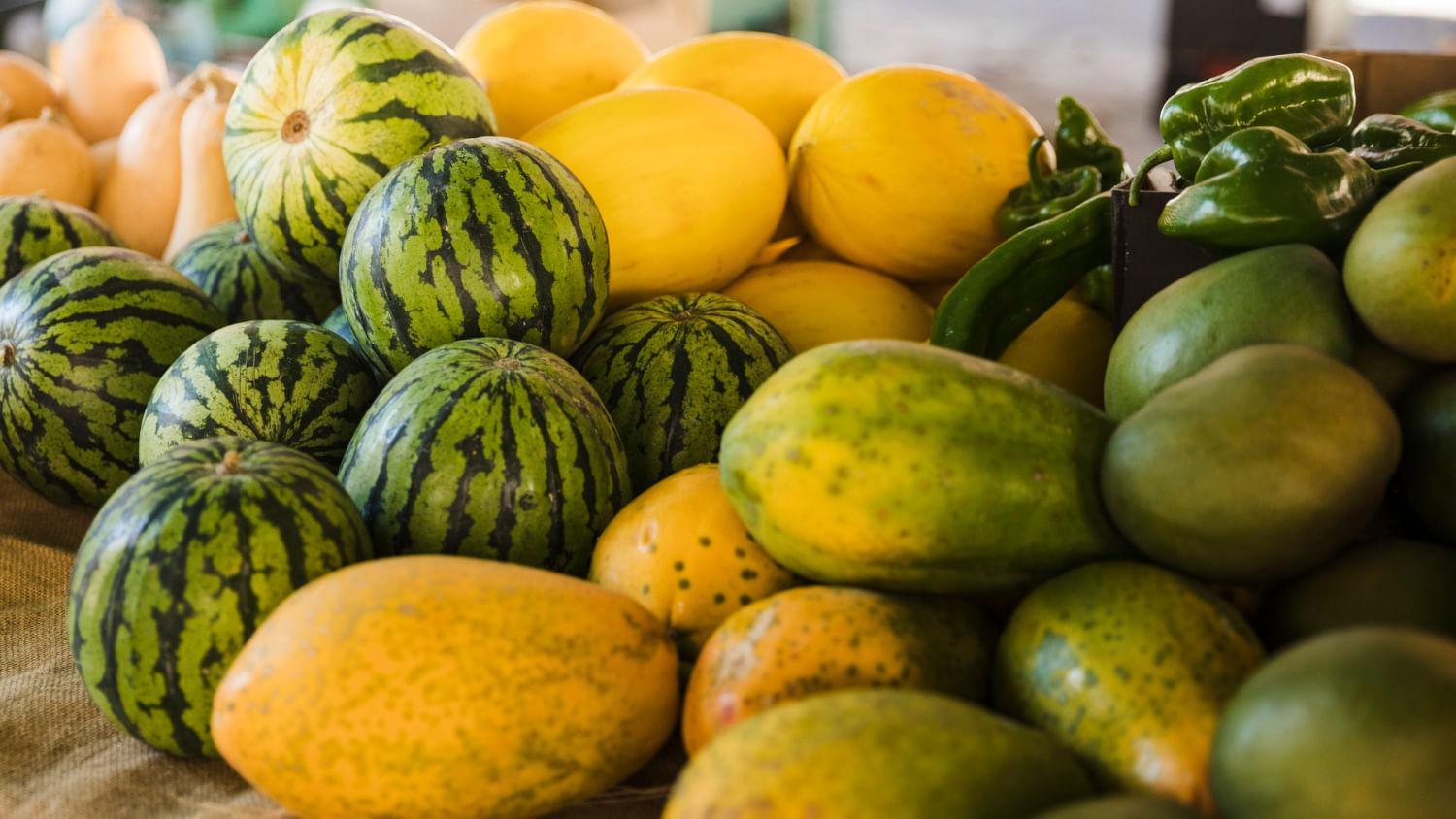
Watermelon and Muskmelon: These fruits are in high demand during the summer months and offer great profit margins of 50% to 95%.
Vegetables
Cucumber and Bitter Gourd: These vegetables are perfect for quick returns and high market demand in just 30–90 days.
Pulses
Moong Dal and Urad Dal: These pulses help improve soil health by fixing nitrogen, reducing the need for chemical fertilizers in the subsequent harvest seasons.
Fodder Crops
Fodder Maize and Sorghum: These crops are essential for feeding livestock, especially during dry months.
How Can Farmers Prepare Land for Zaid Season Crops?
Land preparation plays a key role in Zaid season farming. Farmers need to ensure the soil is loose, fertile, and ready for quick crop growth. Using tractor implements like rotavators, cultivators, and harrows helps in preparing the soil quickly. A mini tractor is particularly useful for small to medium-sized farms to complete these tasks efficiently.
Land Preparation Steps
|
Step |
Purpose |
|---|---|
|
Ploughing |
Loosens the soil for easier sowing |
|
Harrowing |
Breaks clods and smoothens the surface |
|
Rotavation |
Prepares the soil to a fine texture |
|
Leveling |
Ensures even irrigation distribution |
What Tractor Implements Are Best for Zaid Farming?
- Rotavator: Ideal for breaking hard soil and preparing a fine seedbed, rotavators help save time and labor.
- Cultivator: Used for loosening soil and controlling weeds during early crop stages.
- Disc Harrow: Helps break soil clods, smoothens the surface, and ensures better irrigation.
- Seed Drill: Ensures even seed sowing, saving time and ensuring uniform crop growth.
- Sprayer: Essential for protecting crops from pests and diseases in high-temperature conditions.
Why Are Mini Tractors Ideal for the Zaid Season?
Mini tractors are highly beneficial for Zaid season farming, especially for small and medium-sized farms. They are compact, fuel-efficient, and capable of handling a variety of tractor implements.
Advantages of Mini Tractors:
|
Advantage |
Description |
|---|---|
|
Low fuel consumption |
Reduces the operational cost |
|
Easy operation |
Suitable for small fields |
|
Affordable |
Cost-effective for small landholdings |
|
Versatility |
Compatible with various implements |
How to Manage Irrigation During the Zaid Season?
Since rainfall is minimal during the Zaid season, managing irrigation is critical. Farmers should rely on irrigation systems like drip irrigation, tube wells, or canals to ensure their crops get adequate water.
Best Irrigation Practices:
|
Practice |
Benefit |
|---|---|
|
Drip irrigation |
Water-efficient for vegetables |
|
Even water distribution |
Prevents waterlogging and ensures growth |
|
Light, frequent watering |
Helps avoid crop stress during heat |
What Are the Costs of Farming in the Zaid Crop Season?
Farmers often wonder about the cost of farming during the Zaid season. However, investing in a mini tractor can be a cost-effective solution in the long run. Mini tractors reduce manual labor, save time, and increase productivity, making them a valuable asset for farmers.
Mini Tractor Price in India:
The price of a mini tractor in India depends on its horsepower, compatibility with implements, and brand reputation. It is important for farmers to choose a reliable tractor dealer and ensure they get value for their investment.
How Can Zaid Crop Season Farming Benefit Small Farmers?
Small farmers especially benefit from Zaid crop season farming as mini tractors help them cultivate crops efficiently without high investment costs. By growing high-demand crops and using the right implements, small farmers can increase their income and improve soil health.
Why Should Farmers Embrace the Zaid Season?
The Zaid crop season offers a valuable opportunity for farmers to utilize their land effectively and earn extra income. By choosing the right crops, preparing the land well, and using modern machinery like mini tractors, farmers can enhance their productivity and profitability. With the right guidance and investment in farming tools, the Zaid crop season can be a major contributor to sustainable farming in India.
Frequently Asked Questions
1. What is the Zaid crop season in India?
The Zaid crop season is a short agricultural period between the Rabi and Kharif seasons, usually from March to June. During this time, farmers grow short-duration crops that mature within 60 to 90 days. Zaid farming mainly depends on irrigation instead of rainfall, making it suitable for farmers who have access to water sources like tube wells or canals.
2. Which crops are best grown during the Zaid season?
Several fast-growing crops perform well in the Zaid season farming period. The most common crops include watermelon, muskmelon, cucumber, bitter gourd, moong dal, and urad dal. Fodder crops such as fodder maize and sorghum are also widely grown during this season to support livestock.
3. Why is the Zaid crop season important for farmers?
The Zaid season helps farmers utilize their land efficiently between the Rabi and Kharif harvests. Instead of leaving the land idle, farmers can grow quick-maturing crops and earn additional income. It also improves soil utilization and farm productivity throughout the year.
4. How do farmers prepare land for Zaid crops?
Proper land preparation is essential for successful Zaid season farming. Farmers usually start with ploughing to loosen the soil, followed by harrowing and rotavation to break soil clods and create a fine seedbed. Finally, land leveling ensures proper irrigation and uniform crop growth.
5. Why are mini tractors useful during the Zaid crop season?
Mini tractors are very helpful during the Zaid season because they are compact, fuel-efficient, and suitable for small farms. They can easily operate implements like rotavators, cultivators, and seed drills, allowing farmers to prepare land quickl y and manage crops efficiently during this short farming period.
.jpg&w=828&q=75)