Chilli is a flower-heavy crop, and the number of healthy flowers a plant produces decides its final yield. Many farmers see vigorous green plants but very few flowers — usually a sign of nitrogen excess, micronutrient shortage, or water and pest stress. The good news is that flowering can be improved naturally with simple, low-cost steps.
Why Chilli Plants Produce Fewer Flowers
- Excess nitrogen pushing plants into vegetative growth.
- Deficiency of boron, zinc, or potassium.
- Heat above 35 °C or cold below 15 °C.
- Water stress or waterlogged roots.
- Sucking pest damage (thrips, mites, whiteflies).
- Poor pollination due to low bee activity.
1. Balance Nitrogen With Phosphorus and Potassium
Reduce nitrogen application as the plant approaches bud stage (30 to 35 DAT). Switch to phosphorus and potassium rich nutrition. Foliar spray of 0:52:34 (MAP) at 4 to 5 g per litre at bud initiation triggers flowering naturally.
2. Use Boron at the Right Time
Boron is essential for flower formation, pollen viability, and fruit setting. Spray borax or Solubor at 0.1 to 0.2 percent (1 to 2 g per litre) at flower initiation and again 10 to 12 days later. Apply soil borax at 4 to 6 kg per acre before transplanting in boron-deficient soils.
3. Add Organic Tonics to Support Flowering
- Vermicompost tea or panchagavya at 3 to 5 percent.
- Seaweed extract at 2 to 3 ml per litre at bud initiation.
- Humic acid at 2 to 3 ml per litre to improve root function.
- Jeevamrutham or amrit pani in organic systems.
4. Maintain Even Moisture
- Drip irrigation gives steady moisture and uniform flowering.
- Mulch with paddy straw or plastic mulch to reduce stress.
- Avoid both drought and waterlogging — both cause flower drop.
5. Encourage Pollinators
- Avoid insecticide sprays during peak flowering hours.
- Plant marigold or coriander on field borders to attract bees.
- Use yellow and blue sticky traps to manage thrips without broad sprays.
- Spray neem oil in the evening to reduce harm to honey bees.
6. Manage Sucking Pests Early
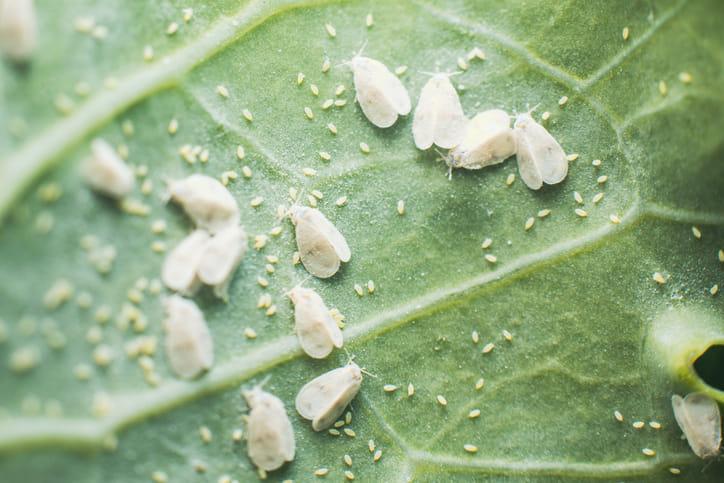
Thrips, mites, and whiteflies cause leaf curl, slow growth, and flower abortion. Monitor weekly. Use neem oil at 3 to 5 ml per litre or recommended insecticides such as Spinosad, Fipronil, or Diafenthiuron above ETL, following label instructions.
7. Light Pruning Helps More Flowers
Remove the bottom 3 to 4 weak side shoots after the first flush. This redirects energy to upper flowering branches. Also remove yellow, virus-affected, or pest-damaged leaves.
Quick Flower-Boosting Spray Schedule
Stage | Spray |
|---|---|
Pre-flowering (25–30 DAT) | 19:19:19 at 5 g/L + Zinc sulphate 0.5 percent |
Flower initiation (35–40 DAT) | Boron 0.1 percent + 0:52:34 at 4 g/L |
Full bloom (50–55 DAT) | Seaweed extract 2 ml/L + Calcium nitrate |
Fruit set | 13:0:45 at 5 g/L + Boron 0.1 percent |
Conclusion
Increasing chilli flowering naturally is mostly about reducing stress and giving the plant what it actually needs at flowering — balanced nutrition, micronutrients, even moisture, and pollinator support. Follow product label instructions and consult your local KVK for crop-specific advice.