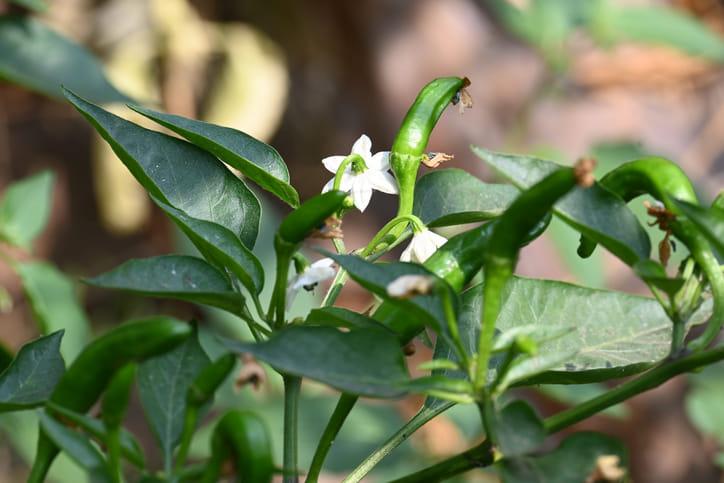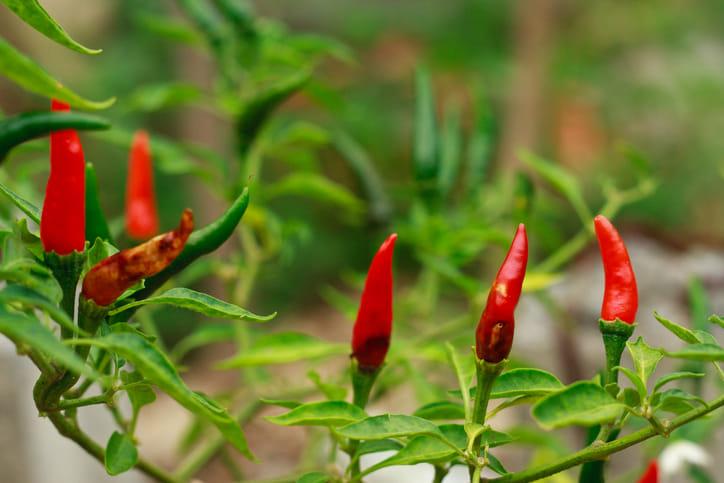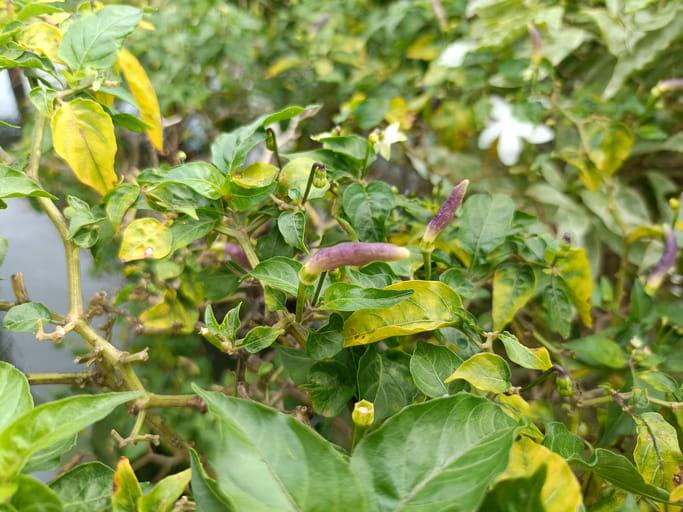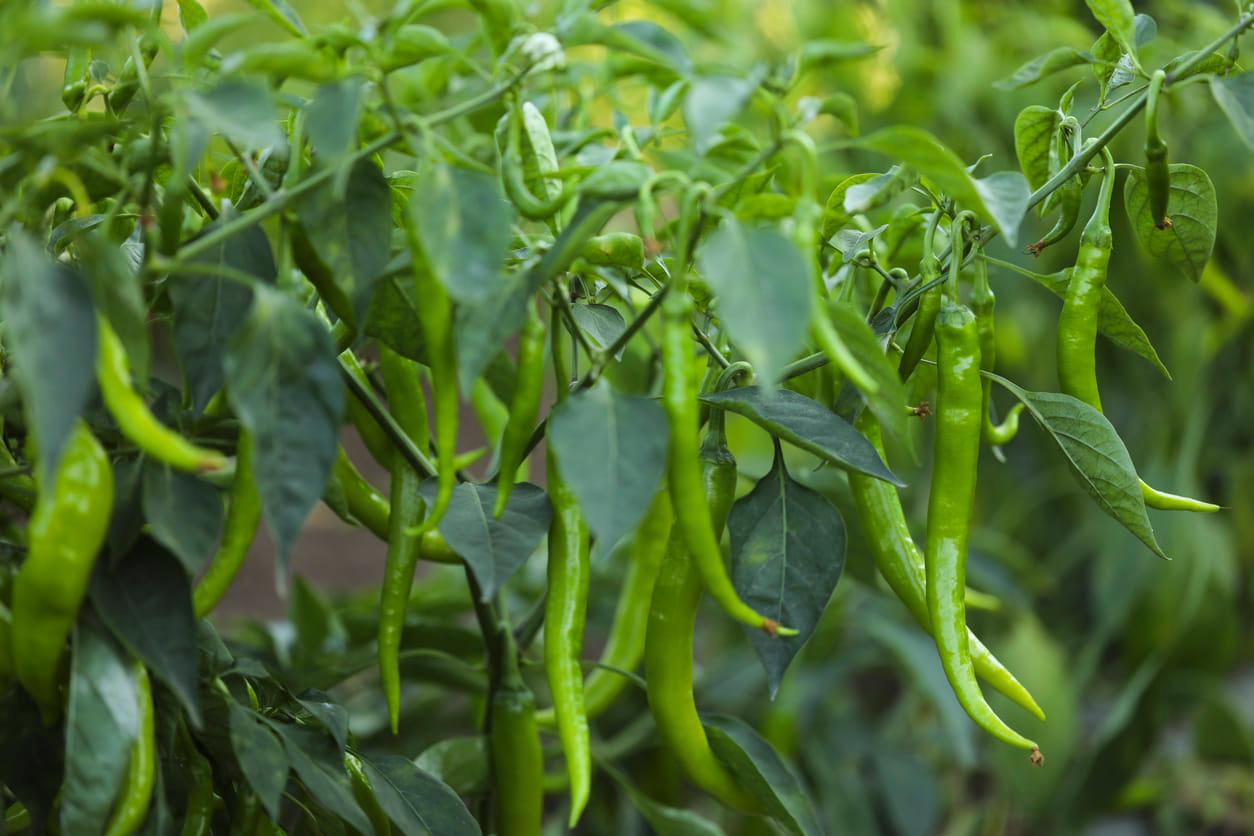
Black thrips in chilli is one of the most commonly discussed problems among chilli farmers, especially during dry and warm weather. Many growers notice sudden leaf curling, flower drop, or poor fruit setting and later realise that the real issue is black thrips in chilli fields. Understanding why the problem happens, how it develops, and what practical steps can reduce the damage is the key to sustainable control.
This guide is written in simple, farmer-friendly English. It focuses on field observations, practical prevention steps, and safe management approaches, without making exaggerated claims or risky promises.
What is black thrips?
Black thrips are tiny, slender insects that usually stay hidden on the underside of leaves, flower buds, and tender shoots. Because of their small size, many farmers notice the damage first and the insect later.
Chilli black thrips feed by scraping the leaf surface and sucking plant sap. Over time, this feeding style weakens the plant and disturbs normal growth. When black thrips are not managed early, the crop may show slow growth and reduced productivity.
Thrips multiply quickly under favourable conditions, which is why regular field monitoring is extremely important.
Why black thrips attack chilli crops
Black thrips in chilli become more active when certain field conditions support their life cycle. Knowing these triggers helps in prevention.
Common reasons for thrips build-up:
- Hot and dry climate with low rainfall
- Excessive use of nitrogen fertilisers
- Continuous chilli cropping in the same field
- Poor field sanitation and weed growth
- Lack of natural enemies due to repeated chemical sprays
When these factors combine, black thrips in chilli can spread rapidly across the field.
Chilli thrips damage symptoms farmers should not ignore
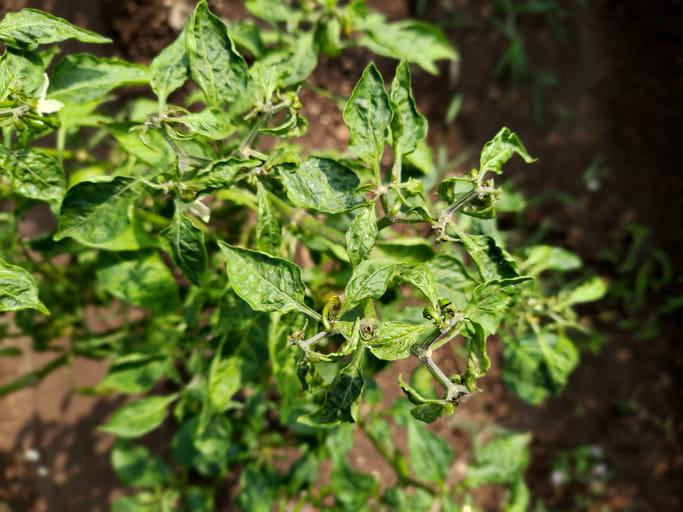
Early identification saves both cost and crop health. Chilli thrips damage symptoms usually appear in stages.
These chilli thrips damage symptoms often start on new growth, which is why farmers should check the top leaves regularly.
How do black thrips in chilli spread within the field?
Black thrips in chilli spread mainly through:
- Wind movement
- Infected seedlings
- Movement of labour and tools
- Nearby host plants and weeds
Because thrips can move quickly from one plant to another, partial control often leads to reinfestation. A field-wide approach is always more effective than spot treatment.
Black thrips control in chilli using integrated methods
Successful black thrips control in chilli does not rely on a single action. Instead, it works best when multiple safe practices are combined, such as:
Basic methods from the foundation
These steps reduce pest pressure naturally.
- Avoid excess nitrogen fertiliser
- Maintain proper plant spacing for airflow
- Remove heavily infested plant parts
- Keep field borders weed-free
- Follow crop rotation where possible
Healthy plants are better able to tolerate minor thrips presence.
2. Mechanical and physical methods
These methods help in monitoring and early control.
- Blue or yellow sticky traps for monitoring the adult thrips population
- Regular visual inspection of leaf undersides
- Removal of severely affected plants to prevent spread
Sticky traps do not eliminate black thrips in chilli completely, but they provide early warning signs.
3. Biological and natural approaches
Encouraging beneficial insects supports long-term balance.
- Conserving natural predators like ladybird beetles and lacewings
- Avoiding unnecessary broad-spectrum sprays
- Using neem-based formulations as part of a rotation
These methods help suppress chilli black thrips population gradually and safely.
4. What to know before spraying insecticides for chilli thrips?
When infestation crosses economic threshold levels, farmers may consider chilli thrips control insecticide options only as per label recommendations.
Important safety points:
- Always rotate insecticides with different modes of action
- Avoid repeated use of the same chemical group
- Follow the recommended dosage and spray intervals strictly
- Respect waiting periods before harvest
Preventive steps to reduce black thrips in chilli naturally
Prevention is always cheaper and safer than heavy control.
Nursery-stage prevention
- Use healthy, pest-free seedlings
- Avoid overcrowding in nurseries
- Inspect seedlings before transplanting
Field-level prevention
- Install sticky traps early
- Maintain proper irrigation schedule
- Avoid water stress to plants
Nutrition management
- Balanced fertiliser application
- Avoid excess urea
- Ensure micronutrient balance
These steps reduce plant stress, which lowers the risk of severe chilli black thrips attack.
Common mistakes farmers make during thrips management
Many control failures are due to avoidable mistakes:
- Spraying without confirming pest presence
- Overdosing chilli thrips control insecticide
- Ignoring early chilli thrips damage symptoms
- Mixing incompatible products
- Spraying during high temperatures
Correcting these practices alone can significantly improve black thrips control in chilli fields.
When to monitor black thrips in chilli crop
Regular monitoring should start:
- From the early vegetative stage
- Continue during flowering
- Increase frequency during dry spells
A simple routine of checking 10 - 15 random plants per acre helps catch black thrips before damage becomes severe.
Long-term management strategy for chilli black thrips
For consistent results across seasons:
- Rotate crops where possible
- Maintain field hygiene year-round
- Use integrated approaches instead of single-solution sprays
- Keep records of infestation and treatments
This long-term thinking reduces dependency on repeated chemical intervention.
Managing black thrips is not about quick fixes. It is about understanding the pest, observing the crop closely, and taking timely, balanced action. With regular monitoring, preventive care, and responsible control methods, farmers can reduce the impact of chilli black thrips and maintain healthy crop growth throughout the season.
Frequently Asked Questions
How can farmers identify black thrips in chilli at an early stage?
Early identification of black thrips in chilli is usually based on plant symptoms rather than the insect itself. Farmers may notice slight leaf curling, silver or bronze streaks on young leaves, and loss of leaf shine. Regularly checking the underside of top leaves helps detect chilli black thrips before damage increases.
What are the most common chilli thrips damage symptoms seen in the field?
Chilli thrips damage symptoms generally start with curled or distorted leaves. As infestation increases, plants may show flower drop, poor fruit setting, and undersized fruits. Severe cases can cause dry, brittle leaves and overall plant stress, especially during hot and dry weather.
Why does black thrips infestation increase in chilli crops during dry seasons?
Black thrips in chilli multiply faster in hot, dry conditions. Low rainfall, excess nitrogen fertiliser, continuous chilli cropping, and poor weed control create favourable conditions. These factors allow chilli black thrips populations to spread quickly across the field.
Is insecticide always required for black thrips control in chilli?
Insecticide use is not always the first step in black thrips control in chilli. Preventive practices, regular monitoring, and natural control methods are often used initially. Chilli thrips control insecticide options are usually considered only when pest levels increase beyond manageable limits and must always be used as per label instructions.
What mistakes should be avoided while managing chilli black thrips?
Common mistakes include spraying without confirming pest presence, overdosing on insecticides, ignoring early symptoms, and spraying during high temperatures. Avoiding these errors helps improve black thrips control in chilli and reduces the risk of resistance and crop stress.