Key Highlights
Sigatoka disease in banana is a common fungal problem that damages leaves and reduces crop yield. Many farmers face losses when this disease spreads quickly in humid conditions. In this blog, you will understand how to identify sigatoka leaf spot in banana, its causes, symptoms, and effective management methods. You will also learn practical farming tips, common mistakes, and best practices to protect your banana crop from this disease.
Introduction
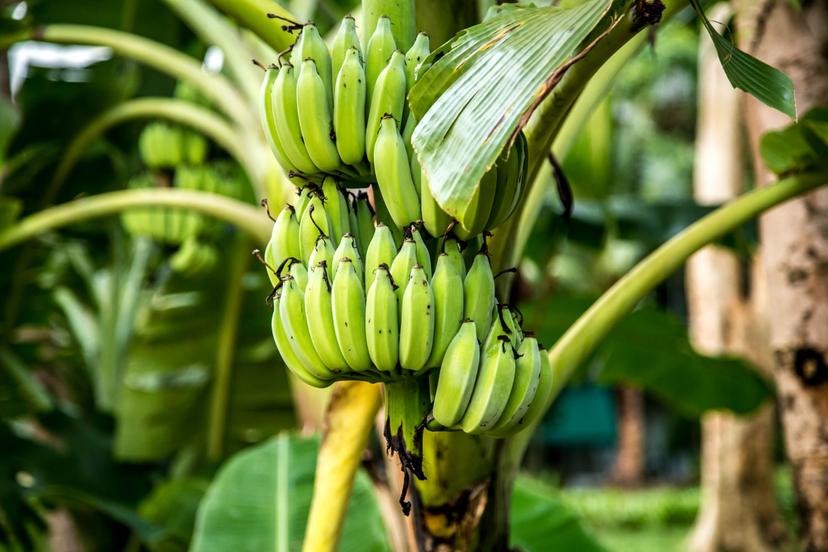
Banana farming gives good income, but diseases like sigatoka can reduce production if not managed on time.
Many farmers ignore early symptoms, and later the damage becomes serious. If you understand this disease early, you can control it easily and protect your crop.
What is Sigatoka Disease in Banana
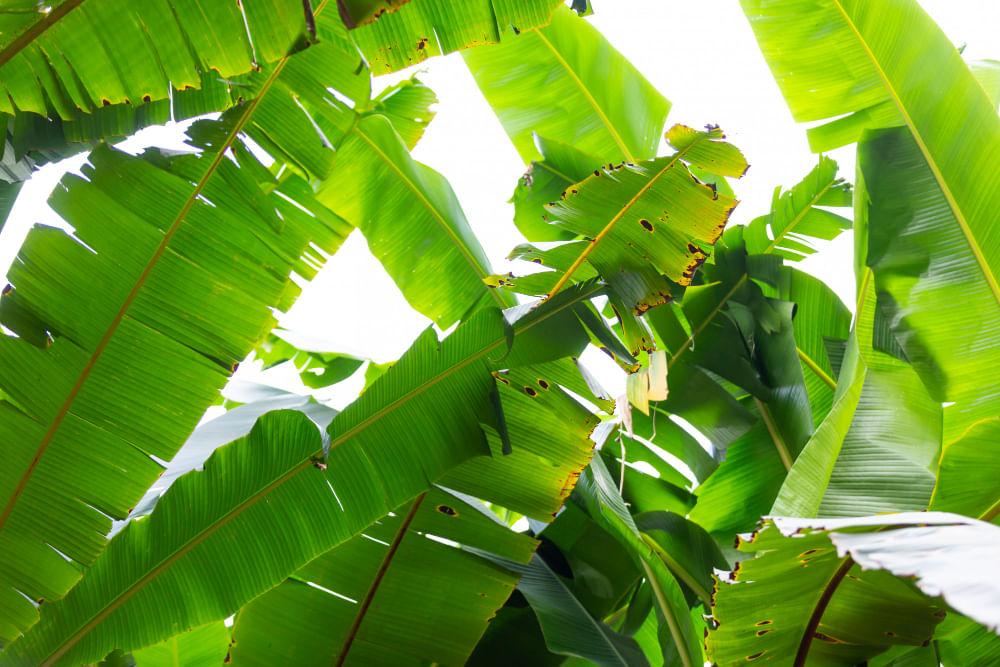
Sigatoka disease in bananas is a fungal disease that mainly affects leaves. It is also known as banana leaf spot disease and is a common banana fungal disease seen in many regions.
This disease reduces the plant’s ability to make food, which directly affects fruit size and yield.
Click here to buy banana saplings from BigHaat
Types of Sigatoka Disease
Yellow Sigatoka
• Yellow streaks appear on leaves
• Less severe but still affects crop growth
Black Sigatoka
• Dark brown or black streaks on leaves
• More severe and causes heavy yield loss
Causes of Sigatoka Leaf Spot in Banana
Sigatoka leaf spot in banana is mainly caused by a fungal infection. The main reasons include:
- High humidity and rainfall create favourable conditions for disease development and rapid spread.
- Poor air circulation in fields increases moisture retention, which promotes disease growth.
- Continuous banana cropping can lead to the buildup of pests and diseases in the soil.
- Warm temperature conditions support the growth and multiplication of disease-causing organisms.
These factors help the disease spread quickly in the field.
Symptoms of Sigatoka Disease in Banana
Below are the stages of Sigatoka disease in banana, showing how the symptoms progress from early signs to severe damage.
Impact of Sigatoka on Banana Crop
Sigatoka disease in bananas reduces plant growth and affects fruit quality.
• Less photosynthesis
• Smaller fruits
• Early ripening
• Yield loss up to 50% in severe cases
Favorable Conditions for Disease Spread
The disease spreads faster under specific environmental conditions such as high humidity above 80%, temperatures between 25 - 30°C, and during the rainy season. These conditions create a favourable environment for fungal spores to grow and spread, leading to increased infection across plants.
Management of Sigatoka Disease in Banana
Below are the recommended management practices for Sigatoka disease in banana, categorised into cultural, chemical, and integrated approaches for effective control.
Comparison: Yellow vs Black Sigatoka
Feature |
Yellow Sigatoka |
Black Sigatoka |
|---|---|---|
|
Severity |
Moderate |
High |
|
Symptoms |
Yellow streaks |
Dark streaks |
|
Damage |
Less |
Severe |
|
Yield Loss |
Medium |
High |
Practical Tips for Farmers
Here are some practical tips farmers can follow to effectively manage and control Sigatoka disease in banana:
- Farmers should check leaves regularly to identify early symptoms of the disease.
- Infected leaves should be removed immediately to prevent further spread.
- Fungicides should be sprayed at the right time for effective disease control.
- Proper plant spacing should be maintained to ensure good air circulation and reduce disease incidence.
Common Mistakes Farmers Make
Understanding what to avoid and what to follow can significantly improve disease control and protect crop yield.
• Ignoring early symptoms
• Delaying fungicide spray
• Not removing infected leaves
• Over-irrigation
Best Practices for Control
• Maintain field cleanliness
• Follow regular spray schedule
• Use recommended fungicides
• Monitor crop continuously
Conclusion
Sigatoka disease in bananas is a serious problem, but it can be controlled with proper management. Early identification and timely action are very important for protecting your crop.
By following good farming practices and regular monitoring, farmers can reduce losses and improve banana yield.
Frequently Asked Questions
What is sigatoka disease in bananas?
It is a fungal leaf disease that affects banana leaves and reduces yield.
What are the symptoms of sigatoka leaf spot in banana?
Yellow or brown spots appear on leaves, which later become large patches and cause leaf drying.
How to control banana leaf spot disease?
Farmers can control it by using fungicides, removing infected leaves, and maintaining field hygiene.
Which is more dangerous, yellow sigatoka or black sigatoka?
Black sigatoka is more severe and causes higher yield loss.
When does sigatoka disease spread more?
It spreads more in warm and humid weather, especially during the rainy season.