Herbicides are powerful tools, but their performance depends entirely on how they are applied. A small error in dose, timing, or technique can lead to poor weed control, crop injury, or wasted money. The following are the most frequent mistakes seen in Indian fields and how to avoid them.
1. Wrong Choice of Herbicide for the Crop
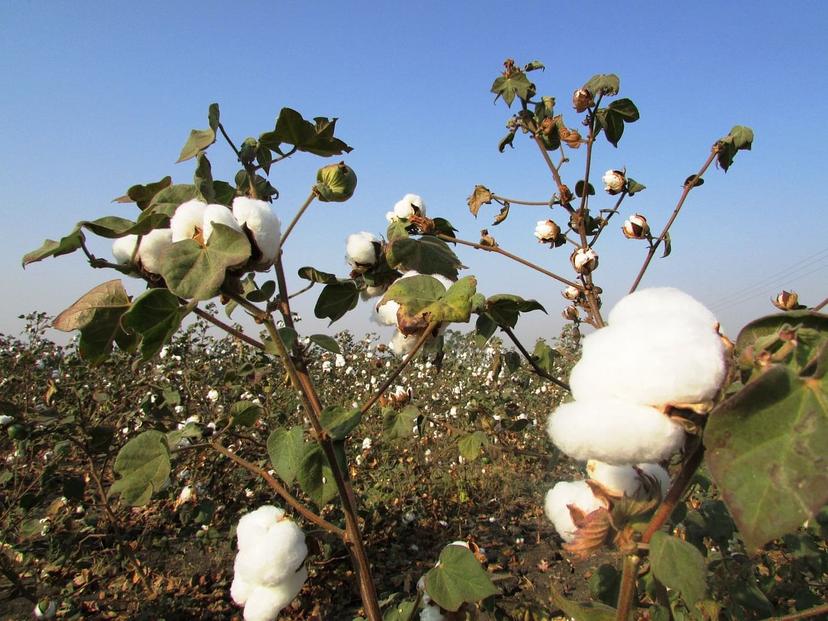
Not every herbicide is safe on every crop. Spraying 2,4-D on cotton, for example, can cause severe leaf curling and yield loss. Always confirm the herbicide is registered for your specific crop and weed type before purchase.
2. Incorrect Timing of Application
Pre-emergence herbicides applied too late, after weeds have already emerged, will not work. Post-emergence herbicides applied on overgrown weeds (beyond 3 to 4 leaf stage) often give only partial control. The right stage of weeds is just as important as the right stage of the crop.
3. Wrong Dose: Underdosing and Overdosing
Underdosing leads to poor weed kill and resistant weed populations over time. Overdosing wastes money, damages crops, leaves residues in soil, and pollutes water sources. Always follow the dose per acre or per hectare printed on the label.
4. Using the Wrong Water Volume
Most herbicides need 150 to 200 litres of water per acre for proper coverage. Using less water (for example 60 to 80 litres) gives uneven spray and poor results. Pre-emergence sprays especially need enough water to wet the soil surface uniformly.
5. Using the Wrong Nozzle Type
Spray Type | Recommended Nozzle |
|---|---|
Pre-emergence | Flat-fan or flood-jet nozzle |
Post-emergence selective | Flat-fan nozzle |
Knapsack spraying | Flat-fan, low pressure |
Insecticide / fungicide | Hollow cone nozzle (avoid for herbicides) |
Using a hollow cone nozzle (commonly meant for insecticides) for herbicide spraying produces fine droplets that drift to neighbouring fields and damage other crops.
6. Spraying in Wrong Weather Conditions
- Do not spray when wind speed is above 10 km per hour, to avoid drift.
- Avoid spraying just before heavy rain; pre-emergence needs light moisture, not flooding.
- Avoid spraying during peak afternoon heat as evaporation reduces effectiveness.
- Early morning or late afternoon are usually the best windows.
7. Mixing Herbicides with Other Pesticides
Many farmers mix herbicides with insecticides or fungicides to save labour. This is risky. Some combinations reduce herbicide effectiveness or cause severe crop injury. Mix only if the label specifically allows it.
8. Using a Sprayer That Was Used for Another Crop
A sprayer used earlier for 2,4-D and then washed casually can still carry enough residue to damage cotton, tomato, or chilli even weeks later. Keep a separate sprayer for herbicides, especially for hormonal weedicides.
9. Ignoring Crop Stage and Soil Moisture
Spraying post-emergence herbicide on a stressed, drought-hit crop can cause phytotoxicity. Make sure the crop is well-watered and growing actively. For pre-emergence, soil should be moist but not waterlogged.
10. Skipping Safety Gear
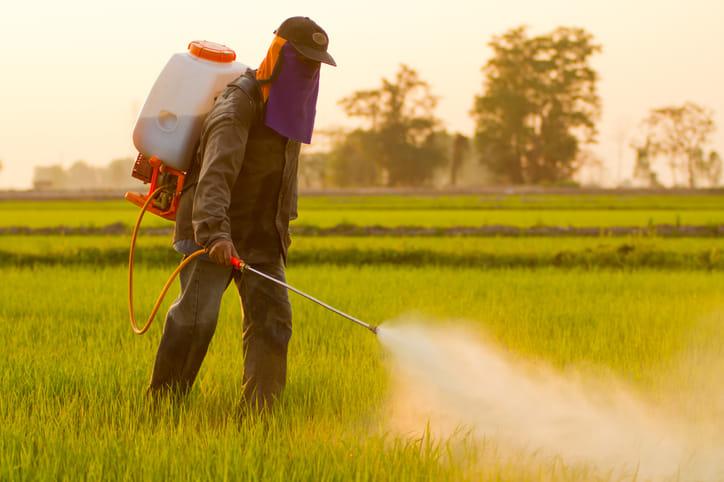
Always wear gloves, mask, full sleeves, and rubber boots. Do not eat, drink, or smoke during spraying. Wash hands and face thoroughly after work and store the empty container safely, away from children and animals.
Conclusion
Herbicide failures are rarely caused by the chemical itself. In most cases, the issue is a small but important mistake in dose, timing, water volume, or nozzle. Following label instructions and consulting your local agriculture extension officer can save your crop and your money.