If you want a smarter, safer way to protect crops from destructive pests, Trichogramma wasps offer one of the most practical biological control solutions available. These tiny beneficial insects work behind the scenes, targeting pest eggs before they hatch and helping growers reduce reliance on chemical sprays. For gardeners, farmers, and greenhouse operators, releasing Trichogramma can be a highly effective step toward healthier plants and more sustainable pest management.
What Are Trichogramma Wasps?
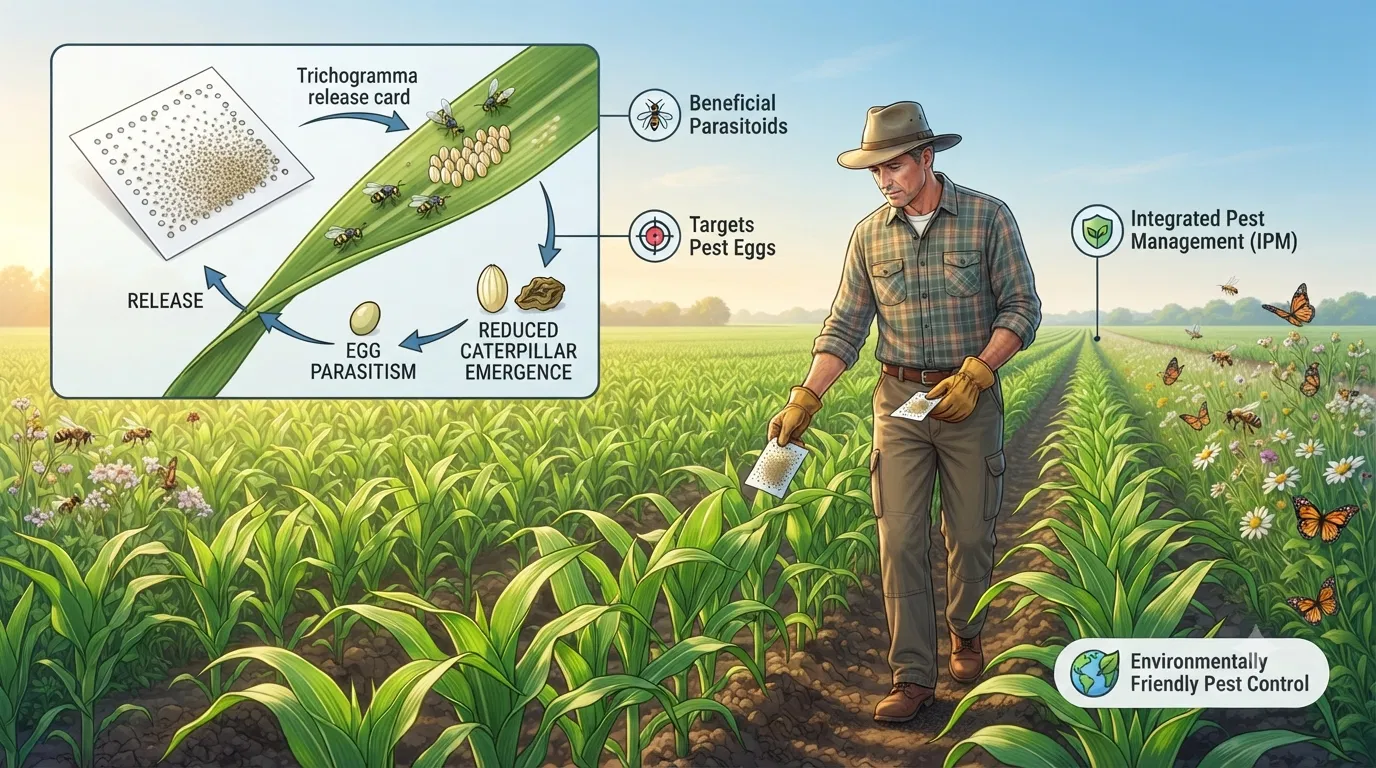
Trichogramma are microscopic parasitic wasps that attack the eggs of many common crop pests. Instead of feeding on plants, these beneficial insects lay their own eggs inside pest eggs. The pest larvae never develop, which breaks the life cycle before serious damage begins.
Because they are so small, Trichogramma are often released as part of an integrated pest management strategy rather than as a stand-alone fix. They are especially useful in crops where moth and butterfly pests cause repeated damage.
Why Use Trichogramma for Pest Control?
Trichogramma release for pest control has become popular because it offers targeted, environmentally friendly results. Unlike broad-spectrum pesticides, these beneficial insects focus on specific pests and leave most non-target organisms unharmed.
Key benefits include:
- Natural pest suppression without harsh chemical residues
- Reduced resistance risk compared with repeated pesticide use
- Safer conditions for pollinators, workers, and beneficial insects
- Better compatibility with organic and sustainable growing systems
- Early intervention by attacking pests at the egg stage
For many growers, the biggest advantage is timing. Once pests hatch and begin feeding, damage can happen quickly. Trichogramma helps stop the problem before it starts.
Which Pests Do Trichogramma Control?
Trichogramma species are used against a variety of egg-laying insect pests, especially moths and butterflies. They are commonly released to manage pests such as:
- Corn borers
- Tomato fruitworms
- Armyworms
- Codling moths
- Helicoverpa species
- Cutworms
- European corn borer
The best results come when the Trichogramma species matches the target pest. Different species and strains may perform better in different crops, climates, and pest pressure levels.
How Trichogramma Release Works
Releasing beneficial insects like Trichogramma is straightforward, but success depends on proper timing and placement. These wasps are usually shipped as parasitized pest eggs attached to cards, capsules, or loose material. Once released, the adult wasps emerge and begin searching for host eggs.
They use scent and environmental cues to locate fresh pest eggs. After finding them, they lay their own eggs inside the pest eggs, preventing the harmful insect from developing.
Tip: Trichogramma work best when pest eggs are present or expected, so monitoring is essential before release.
When Should You Release Trichogramma?
Timing is one of the most important factors in successful biological control. Trichogramma are most effective when released at the beginning of pest egg-laying periods, not after heavy infestation has already started.
Consider releasing them when:
- Monitoring traps show moth or butterfly activity
- You expect a new generation of pests
- Crops are in a vulnerable stage of growth
- Weather conditions favor rapid pest development
Many growers use multiple releases over several weeks to maintain pressure on pest populations. This approach improves coverage and increases the likelihood that newly laid eggs will be parasitized.
How to Apply Trichogramma in the Field
There are several ways to release Trichogramma beneficial insects, and the best method depends on crop type, acreage, and production system.
1. Card or strip releases
Parasitoid eggs are often mounted on cards or strips and hung in plants. As adults emerge, they disperse naturally into the crop. This method is simple and widely used in gardens, orchards, and smaller production areas.
2. Aerial or mechanical distribution
For larger farms, Trichogramma may be distributed using drones, aircraft, or mechanical spreaders. This method helps cover extensive acreage efficiently.
3. Capsule or sachet release
Some systems use small capsules or sachets that protect the developing insects until emergence. These are useful where environmental exposure is a concern.
No matter the method, release evenly across the target area for better pest suppression. Border zones, hot spots, and interior areas may all need coverage depending on pest movement patterns.
Best Practices for Successful Trichogramma Release
To get the most from Trichogramma for pest control, follow a few essential best practices:
- Identify the pest correctly. Trichogramma are most effective against egg stages of specific pests.
- Monitor pest activity regularly. Use traps, scouting, or degree-day models to predict egg-laying periods.
- Release at the right time. Adult parasitoids must be present when fresh pest eggs are available.
- Avoid incompatible sprays. Broad-spectrum insecticides can reduce Trichogramma survival and effectiveness.
- Use repeated releases. Multiple applications often provide better control than a single release.
- Store and handle carefully. Keep beneficial insects cool and release them promptly according to supplier instructions.
Environmental conditions also matter. Extreme heat, heavy rain, and pesticide residues can reduce performance, so plan releases with weather and field conditions in mind.
Are Trichogramma Effective in Organic Farming?
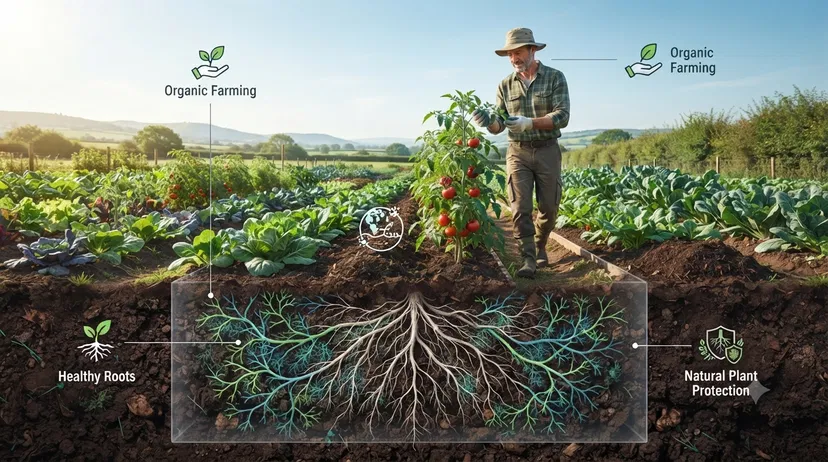
Yes. Trichogramma are widely used in organic pest management because they provide control without synthetic chemicals. They fit well into programs that emphasize prevention, monitoring, and biological balance.
For organic growers, combining Trichogramma with crop rotation, sanitation, pheromone traps, and habitat support for other beneficial insects can create a strong and resilient pest management system.
Limitations to Keep in Mind
While Trichogramma release can be highly effective, it is not a cure-all. Results depend on using the correct species, applying them at the right time, and maintaining favorable conditions. They work best as part of a broader integrated approach.
Potential limitations include:
- Limited effectiveness if pest eggs are already past the vulnerable stage
- Reduced survival after incompatible pesticide use
- Variable performance depending on temperature and humidity
- Need for repeated releases during prolonged pest pressure
Understanding these limits helps set realistic expectations and improves overall success.
Why Trichogramma Matter in Sustainable Pest Management
As growers look for alternatives to heavy pesticide use, beneficial insects like Trichogramma are becoming increasingly important. They support a more balanced approach to crop protection by targeting pests with precision and reducing disruption to the surrounding ecosystem.
Using Trichogramma also aligns with consumer demand for cleaner, more sustainable food production. Whether you manage a small garden or a large commercial farm, biological control can be a valuable part of long-term pest management planning.
Conclusion
Trichogramma wasps offer a practical, proven way to control pests naturally by attacking harmful insects before they hatch. With the right timing, proper release method, and ongoing monitoring, these beneficial insects can significantly reduce pest pressure while supporting a healthier growing environment.
If you are looking for a sustainable pest control strategy, consider adding Trichogramma release to your integrated pest management program. The earlier you act, the better your chances of stopping pests before they cause costly damage.