When insect pressure starts threatening crop quality and yield, choosing the right insecticide can make all the difference. Thiamethoxam is a widely used systemic insecticide valued for its fast action, broad-spectrum control, and versatility across many crops. Whether you are managing sucking pests in vegetables, protecting field crops, or reducing damage from soil and foliar insects, understanding thiamethoxam uses, dosage, and target pests is essential for getting reliable results.
In this guide, you’ll find a clear breakdown of how thiamethoxam works, where it is commonly used, which pests it targets, and how to apply it responsibly for effective pest management.
What Is Thiamethoxam?
Thiamethoxam is a neonicotinoid insecticide designed to control a wide range of insect pests. It works systemically, meaning plants absorb it and move it through their tissues. This makes it especially effective against pests that feed by piercing and sucking plant sap.
Because of its systemic activity, thiamethoxam can protect new plant growth after application, offering longer-lasting control than many contact insecticides.
Key benefit: Thiamethoxam protects plants from the inside out, making it highly effective against hidden or hard-to-reach pests.
Main Uses of Thiamethoxam
Thiamethoxam is used in a variety of agricultural and horticultural settings. Its broad use pattern makes it a popular choice for growers looking to manage insect pressure efficiently.
1. Control of Sucking Pests
One of the most common thiamethoxam uses is controlling sucking insects such as aphids, whiteflies, jassids, and thrips. These pests weaken plants by removing sap, spreading disease, and causing leaf curling, yellowing, and stunted growth.
2. Seed Treatment
Thiamethoxam is frequently used as a seed treatment to protect young seedlings during early growth stages. This is especially useful in crops vulnerable to early pest attacks. Seed treatment helps establish healthier plants and reduces the need for early foliar sprays.
3. Soil and Foliar Applications
Depending on the crop and formulation, thiamethoxam may be applied to the soil or as a foliar spray. Soil application helps target root-zone pests, while foliar spraying is useful for controlling active infestations.
4. Crop Protection in Field and Vegetable Crops
Thiamethoxam is used in crops such as cotton, rice, maize, vegetables, pulses, fruits, and ornamentals. Its flexibility makes it a strong tool in integrated crop protection programs when used correctly.
How Thiamethoxam Works
Thiamethoxam acts on the nervous system of insects. It binds to nicotinic acetylcholine receptors, disrupting normal nerve signaling. As a result, pests become unable to feed properly, move normally, or survive.
After exposure, insects usually stop feeding quickly, which helps limit crop damage even before full mortality occurs. This quick feeding cessation is one of the reasons thiamethoxam is so effective in agricultural pest management.
Target Pests Controlled by Thiamethoxam
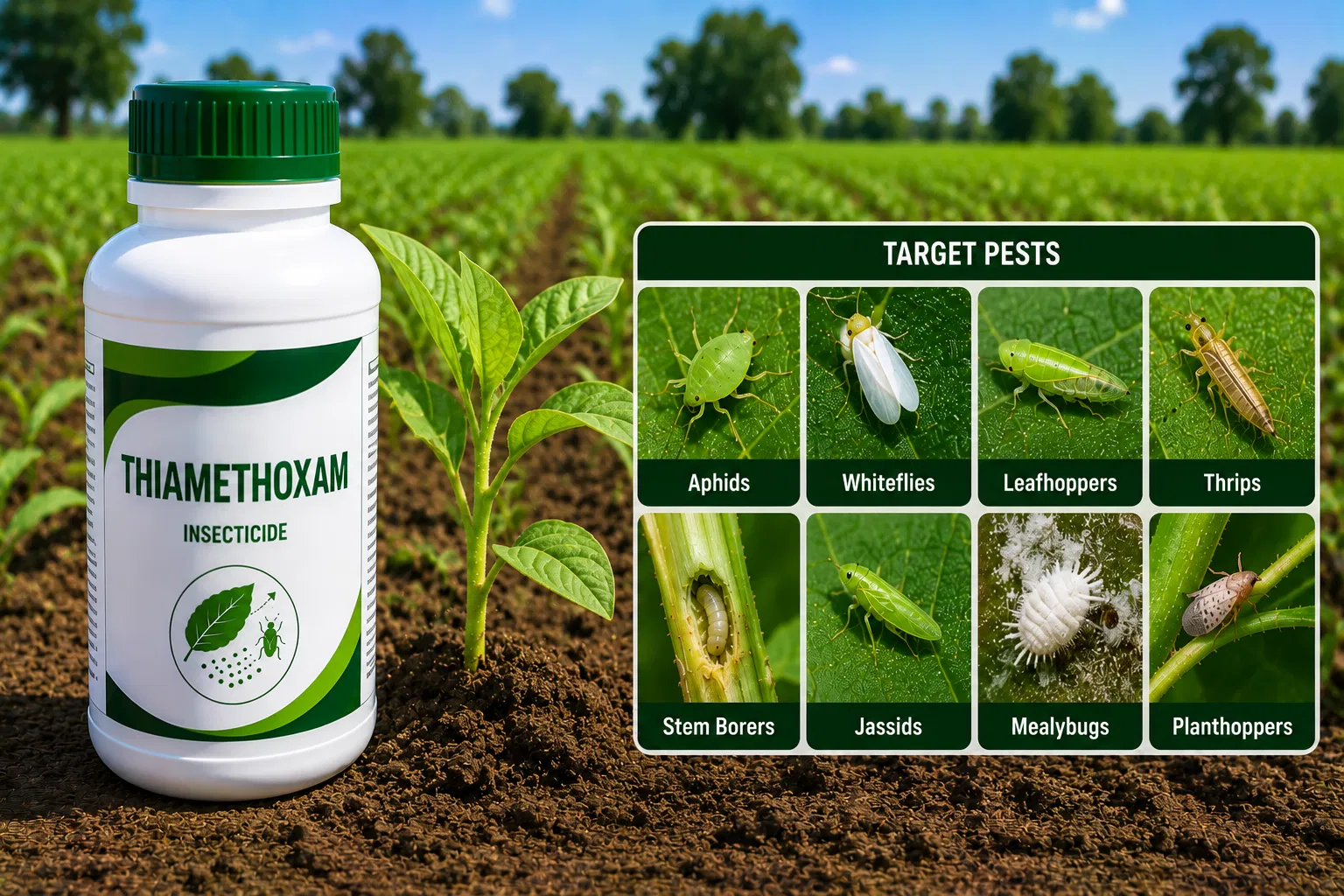
The target pests for thiamethoxam depend on the crop and application method, but it is especially effective against sap-feeding insects and some soil pests.
Common Target Pests
- Aphids
- Whiteflies
- Jassids
- Thrips
- Leafhoppers
- Planthoppers
- Mealybugs
- Some beetle and soil insect pests
Pests in Specific Crops
In cotton, thiamethoxam is commonly used against aphids, whiteflies, jassids, and thrips. In vegetables, it helps manage whiteflies, aphids, and leafhoppers. In rice, it is often used against planthoppers and leafhoppers. In fruits and ornamentals, it can suppress a range of sap-feeding pests that damage plant vigor and appearance.
Thiamethoxam Dosage: What You Need to Know
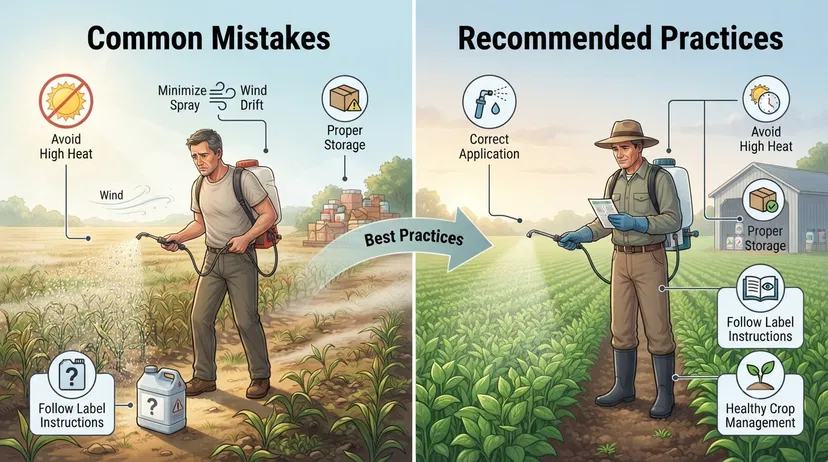
The correct thiamethoxam dosage varies by crop, pest pressure, formulation, and application method. Always follow the product label and local agricultural recommendations, since rates may differ significantly between products.
Using too little may lead to poor control, while overuse can increase cost, resistance risk, and environmental impact. Proper dosage is critical for both performance and safety.
General Dosage Guidelines
- Seed treatment: Typically applied at low rates per kilogram of seed, depending on the crop and product formulation.
- Foliar spray: Commonly used at label-approved rates per litre of water or per hectare, depending on formulation strength.
- Soil application: Applied according to the crop stage and pest risk, with rates based on area or planting unit.
For best results, mix the product evenly, use clean water, and ensure complete coverage when applying it as a spray. During seed treatment, coat the seeds uniformly for consistent protection.
Factors That Affect Dosage
- Crop type: Different crops may require different application rates.
- Pest severity: Heavy infestations require precise, label-based treatment.
- Application method: Seed treatment, foliar spraying, and soil application require different rates.
- Formulation concentration: Product strength determines how much material is required.
- Local guidance: Regional recommendations may vary according to pest pressure and resistance patterns.
Best Practices for Using Thiamethoxam
To get the best performance from thiamethoxam, application timing and technique matter just as much as dosage.
- Apply early while pest populations are still low.
- Use only the dose recommended on the product label.
- Rotate with insecticides that have different modes of action.
- Avoid unnecessary or repeated applications.
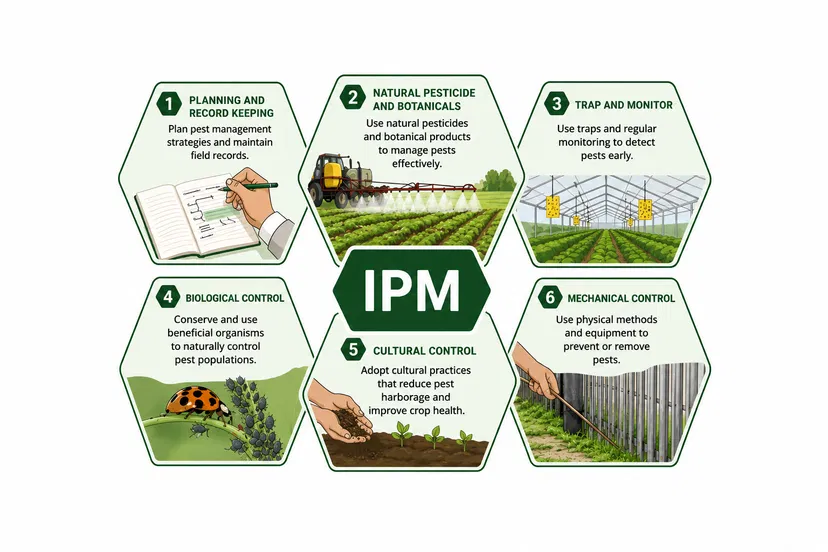
- Combine chemical control with integrated pest management practices.
Monitoring crops regularly helps growers identify the right time for treatment. Early intervention often provides better control while reducing crop stress and avoidable pesticide use.
Resistance Management and Safety Considerations
Like many insecticides, thiamethoxam may become less effective if it is used repeatedly without rotation. Resistant pests can survive treatment and reproduce, reducing long-term control.
To help prevent resistance:
- Rotate with insecticides from different chemical groups.
- Apply only when pest populations reach recommended treatment thresholds.
- Combine insecticide use with cultural, mechanical, and biological control methods.
- Avoid consecutive applications of products with the same mode of action.
Safety is equally important. Wear suitable protective equipment during mixing and spraying, prevent drift into non-target areas, and follow the stated pre-harvest interval. Protect pollinators by avoiding application during flowering or while bees are actively foraging, unless the product label specifically permits it.
Why Farmers Use Thiamethoxam
Farmers choose thiamethoxam because it offers several practical advantages:
- Fast feeding cessation
- Systemic plant protection
- Broad control of sucking pests
- Suitability for treating seeds
- Support for healthy early crop establishment
Its ability to protect plants from both visible and hard-to-reach pests makes it a valuable tool in modern pest management programs.
Conclusion
Thiamethoxam uses, dosage, and target pests are important to understand when reliable insect control and healthy crop performance are the goals. From managing aphids and whiteflies to protecting seedlings and controlling foliar infestations, thiamethoxam remains a practical option for many growers when used correctly.
For the best results, always follow label directions, apply the correct dosage, and integrate thiamethoxam into a broader pest management strategy. Responsible use can help protect yield, reduce insect damage, and support stronger crop growth throughout the season.