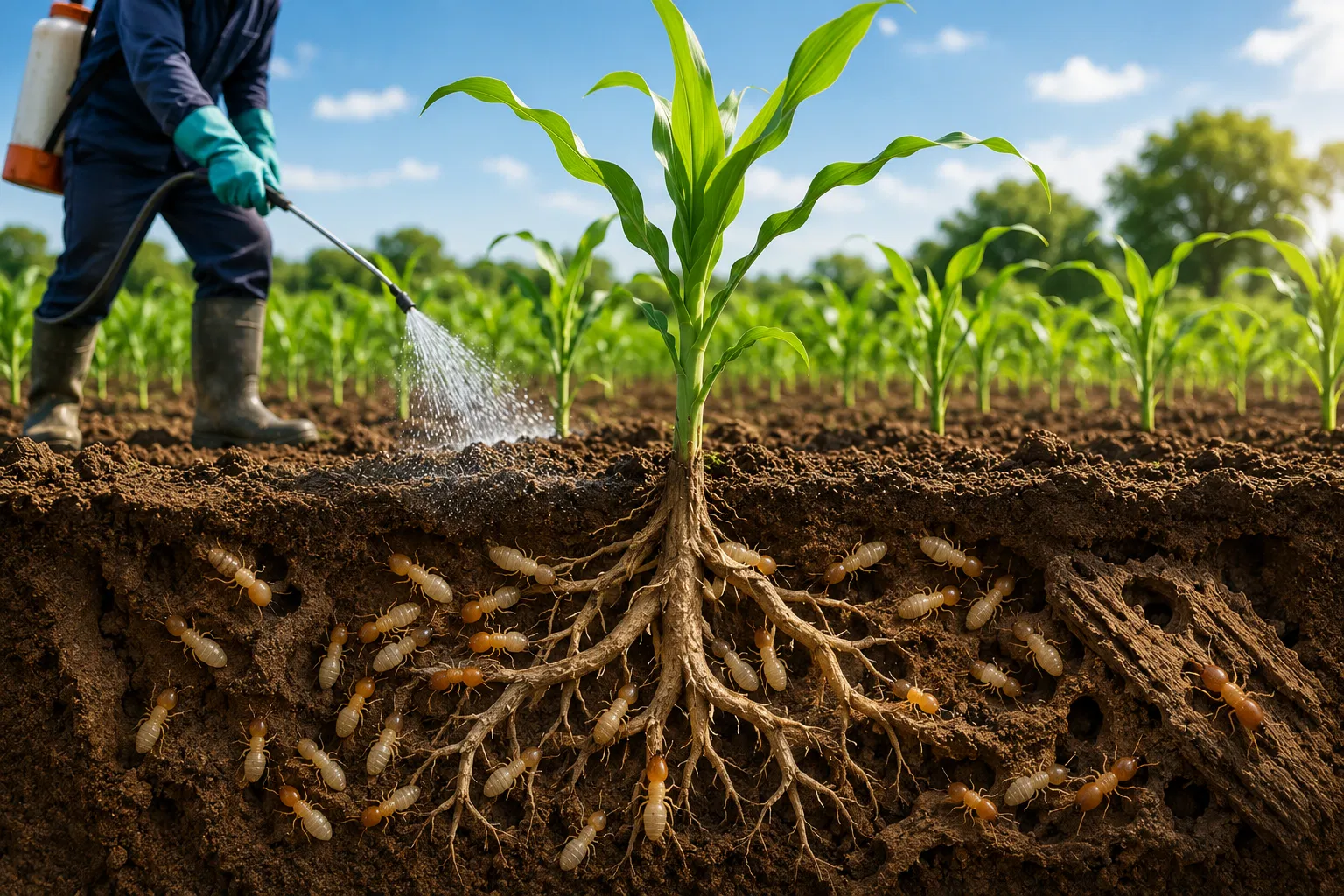
Termites can quietly destroy the foundation of a healthy field crop long before the damage becomes obvious. By the time wilting, stunted growth, or patchy plant stands appear, the infestation may already be spreading underground. For farmers and growers, termite control in field crops is not just about reacting to damage—it’s about preventing losses with smart soil treatment and long-term management.
The good news is that effective termite prevention is possible. With the right soil treatment plan, crop rotation practices, moisture management, and field monitoring, growers can reduce termite pressure and protect yield potential. This guide explains practical termite control strategies for field crops, with a strong focus on soil treatment and prevention.
Why Termites Are a Serious Threat in Field Crops
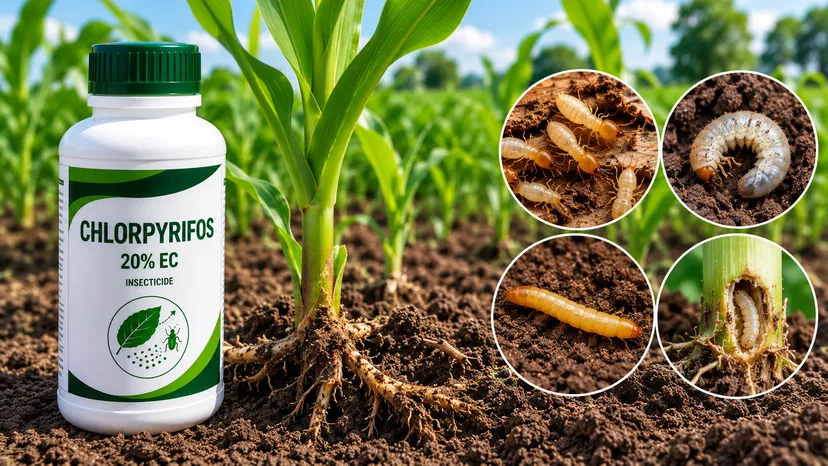
Termites are often associated with buildings and wooden structures, but many species also attack agricultural fields. They feed on dead plant material, roots, stems, and organic matter in the soil. In dry or stressed conditions, termites may target living plants, especially young seedlings and crops with weakened root systems.
Common signs of termite activity in field crops include:
- Wilting plants despite adequate moisture
- Patchy germination or missing plants
- Dry, hollowed stems near the base
- Earthen galleries or mud tubes around roots
- Stunted growth and uneven crop stands
Because termite damage starts below the soil surface, it can be easy to confuse with drought stress or nutrient deficiency. That is why prevention and early detection matter so much.
Understanding Termite Behavior in Agricultural Fields
To control termites effectively, it helps to understand how they live and feed. Termites thrive in warm conditions and are especially active in fields with plenty of organic material, crop residues, and dry soil zones. They often build tunnels to move safely through the soil while searching for food.
In field crops, termites are more likely to become a problem when:
- Crop residue is left unmanaged
- The field has poor irrigation or uneven moisture
- Soil is dry, sandy, or low in organic matter
- Plants are stressed by pests, disease, or poor fertility
- Previous infestations were not fully controlled
Effective termite control starts with reducing these favorable conditions and creating a field environment that is less attractive to pests.
Soil Treatment for Termite Control in Field Crops
Soil treatment is one of the most important tools for termite control in field crops. It targets termites where they live and feed, helping protect seedlings and roots during the most vulnerable growth stages.
1. Pre-Plant Soil Treatment
Applying termite control measures before planting can reduce infestation risk from the start. Pre-plant soil treatment is especially useful in fields with a history of termite activity. This approach creates a protective barrier around the root zone and can help newly planted crops establish more successfully.
Before treatment, inspect the field for signs of termite colonies, mounds, damaged residues, and dry patches. Areas with repeated termite damage should receive special attention.
2. Seed Furrow or Root Zone Application
In some systems, soil-applied treatments are placed directly in the seed furrow or around the root zone. This method helps protect young plants during early growth when they are most vulnerable to attack.
Uniform application is important. Poorly distributed treatment can leave gaps in protection and allow termites to move through untreated zones.
3. Treating Hotspots
Fields often have localized termite hotspots rather than uniform infestation. These areas may appear as irregular patches of damage, reduced plant stand, or dry soil zones. Spot treatment can be an efficient way to manage these areas while reducing unnecessary input costs.
Hotspots should be mapped and monitored over time, especially after rainfall, irrigation changes, or harvest residue buildup.
Prevention Strategies That Reduce Termite Pressure
Long-term termite control depends on prevention. Soil treatment can protect crops, but preventive field management lowers the chance of repeated infestations and improves overall crop health.
Manage Crop Residue Properly
Leftover stalks, roots, and debris provide termites with food and shelter. Managing residues after harvest helps reduce habitat for termite colonies. Where appropriate, incorporate residues into the soil, compost them properly, or remove heavily infested plant material from the field.
Improve Soil Moisture Balance
Termites are more likely to attack crops under dry conditions. Consistent irrigation, proper drainage, and moisture retention practices can make fields less attractive to termites and help crops stay vigorous.
Healthy, well-watered plants are better able to tolerate minor pest pressure than stressed plants with weak root systems.
Rotate Crops Strategically
Crop rotation can interrupt termite buildup in the field. Rotating with less susceptible crops or adjusting planting schedules may reduce food availability and disrupt termite activity. This strategy works best as part of an integrated pest management plan rather than as a standalone solution.
Maintain Good Field Sanitation
Weedy borders, old stumps, infested debris, and decaying organic matter can all support termite colonies. Keeping field edges clean and removing potential nesting sites helps limit termite movement into crop areas.
Strengthen Plant Health
Strong crops are less likely to suffer severe losses from termite feeding. Balanced fertilization, proper planting depth, timely weed control, and good seed quality all contribute to stronger field performance. When plants emerge quickly and develop robust roots, they are better equipped to withstand pest pressure.
Tip: The best termite control in field crops combines prevention, monitoring, and soil treatment rather than relying on one tactic alone.
Monitoring and Early Detection
Regular scouting is essential for identifying termite activity before major damage occurs. Walk the field at different growth stages and look closely at vulnerable areas such as field edges, dry patches, and previously infested zones.
During scouting, check for:
- Uneven plant emergence
- Termite galleries in soil or around stems
- Damaged seedlings and wilted plants
- Signs of residue feeding
- Active mud tubes or soil movement
If termite activity is detected early, control measures can be applied before infestation spreads across the field.
Integrated Pest Management for Termites
The most reliable termite control program uses integrated pest management, or IPM. This means combining multiple tactics to reduce pest pressure while protecting the crop and the environment.
An effective IPM plan for field crops may include:
- Pre-plant field inspection
- Soil treatment in high-risk areas
- Residue and sanitation management
- Moisture control through irrigation or drainage
- Crop rotation and field diversification
- Ongoing scouting during the growing season
IPM helps growers make smarter decisions based on field conditions, pest pressure, and crop stage. It also reduces the risk of overusing treatments when they are not needed.
When to Act Quickly
Not every termite sighting means a field is at risk of major loss, but certain conditions demand immediate action. Rapid intervention is important when infestation appears in young seedlings, large sections of the field are affected, or crop stand loss is increasing.
Act quickly if you notice:
- Severe stand reduction in newly planted areas
- Active termite tunnels near roots or stems
- Recurring damage in the same field each season
- Dry weather combined with visible pest activity
Early action can save yield, reduce replanting costs, and prevent colony expansion.
Conclusion: Protect Yield with Smart Termite Prevention
Termite control in field crops begins below the surface. Soil treatment protects vulnerable plants, but long-term success depends on prevention, monitoring, and good field management. By reducing residue buildup, improving moisture balance, rotating crops, and scouting regularly, growers can greatly reduce termite pressure and protect yield potential.
Do not wait until damage becomes visible. Build a termite prevention plan before planting, stay alert during the season, and treat problem areas promptly. A proactive approach is the most effective way to keep termites from undermining your crop from the roots up.