Watering crops, lawns, and landscapes should be efficient, consistent, and easy to manage. That is exactly why sprinkler irrigation remains one of the most widely used irrigation methods in agriculture and landscaping. It delivers water in a controlled spray, mimicking natural rainfall while helping reduce waste and improve coverage.
If you are looking for a practical irrigation solution for farms, gardens, sports fields, or commercial landscapes, understanding how sprinkler irrigation works and where it performs best can help you make a smarter choice. This guide breaks down the basics, benefits, limitations, and ideal applications of sprinkler irrigation systems.
What Is Sprinkler Irrigation?
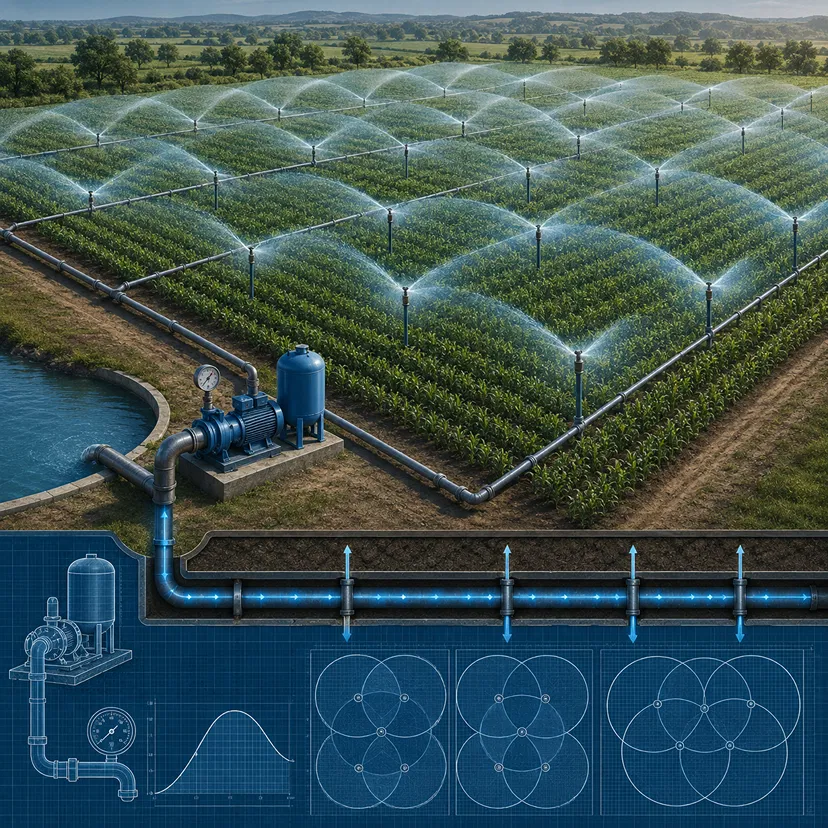
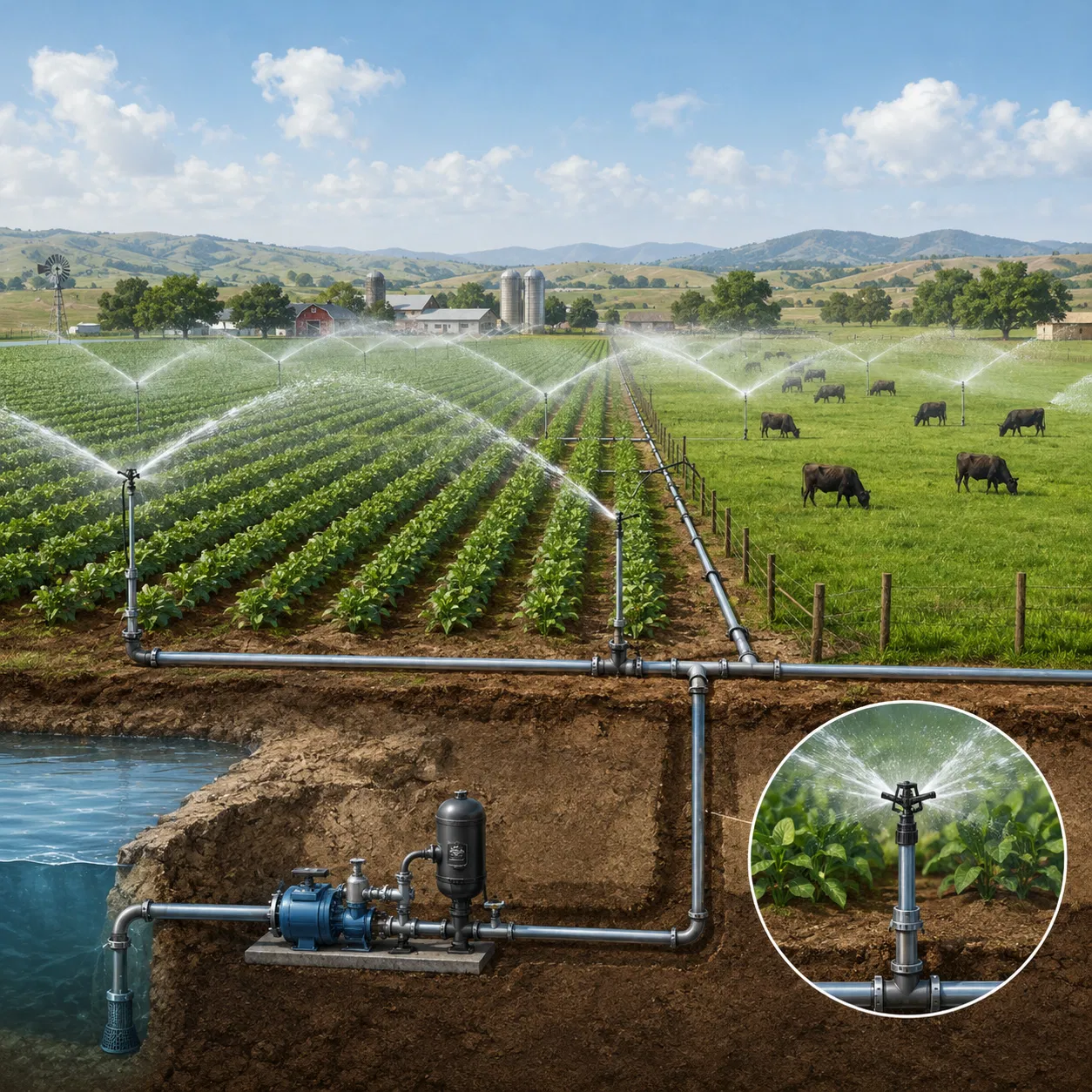
Sprinkler irrigation is a method of applying water through a network of pipes, pumps, and sprinkler heads that distribute water into the air and onto the soil surface. The water falls like rain over the target area, allowing for even coverage across crops, turf, or plants.
This system is commonly used in both small-scale and large-scale settings because it is flexible and can be adapted to many different terrain types and water needs. From backyard lawns to extensive farmland, sprinkler irrigation offers a convenient way to deliver water where it is needed most.
How Sprinkler Irrigation Works
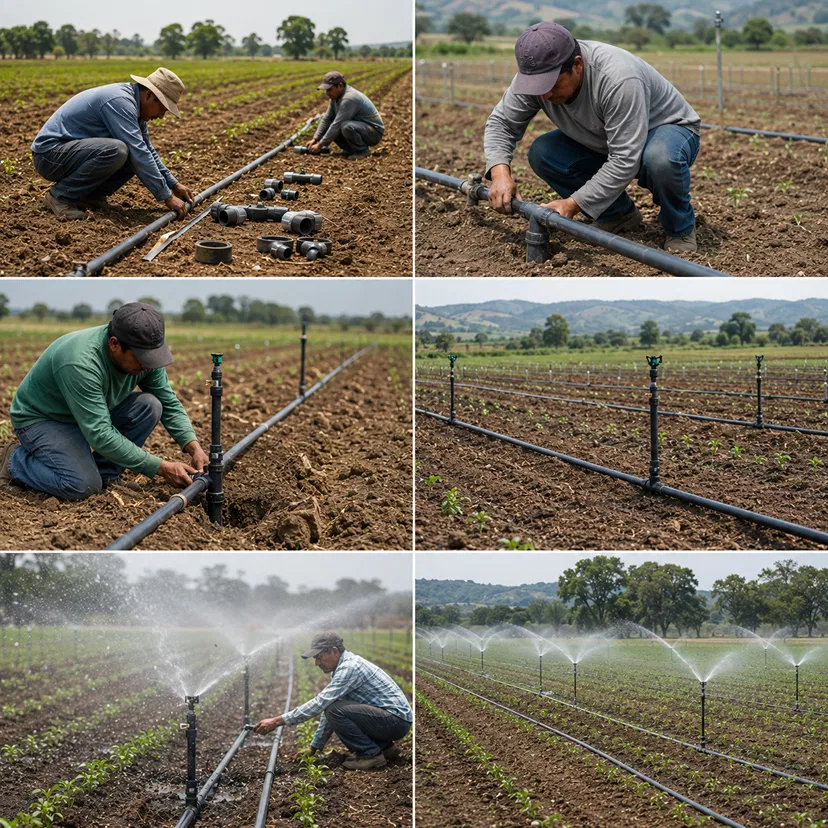
Sprinkler irrigation systems operate by pressurizing water and sending it through pipes to sprinkler outlets. Once the water reaches the sprinkler head, it is released in a spray pattern designed to cover a specific area.
Main Components of a Sprinkler Irrigation System
- Water source: A well, reservoir, canal, tank, or municipal supply provides the water.
- Pump: In many systems, a pump increases water pressure so it can travel through the network.
- Pipes and valves: These move and control water flow throughout the system.
- Sprinkler heads: These spray water in a circular, fixed, or oscillating pattern.
- Controllers or timers: Automated systems use timers to schedule irrigation cycles.
- Filters and regulators: These help maintain clean water flow and consistent pressure.
The Irrigation Process
- Water is drawn from the source and pressurized by a pump or existing supply pressure.
- The pressurized water moves through the mainline and distribution pipes.
- Valves open at scheduled times or manually, allowing water to reach specific zones.
- Sprinkler heads release water over the soil or plants in a controlled spray.
- The water soaks into the ground and supports plant growth.
The beauty of sprinkler irrigation lies in its ability to deliver water uniformly while allowing users to target different areas based on plant type, soil conditions, and climate.
Types of Sprinkler Irrigation Systems
There are several types of sprinkler irrigation systems, each suited to different environments and water requirements.
1. Portable Sprinkler Systems
These systems are easy to move and are often used in fields or gardens where irrigation needs change frequently. They are practical for temporary watering setups and smaller farms.
2. Fixed Sprinkler Systems
Fixed systems have permanently installed pipes and sprinkler heads. They are commonly used in lawns, parks, and commercial landscapes because they offer convenience and consistent coverage.
3. Solid Set Systems
Solid set systems remain in place throughout the irrigation season. They are often used in orchards, nurseries, and high-value crops that need regular watering without disturbing the plants.
4. Center Pivot Systems
These large rotating systems are popular in agriculture, especially for row crops. They water a circular field efficiently and are ideal for large-scale farming operations.
5. Traveling Sprinkler Systems
Traveling systems move across the field while irrigating, making them useful for irregularly shaped land or farms that need flexible coverage.
Benefits of Sprinkler Irrigation
Sprinkler irrigation offers several important advantages, which is why it is used so widely in agriculture and landscaping.
- Even water distribution: Sprinklers can cover large areas uniformly when properly designed.
- Suitable for many crops: It works well for vegetables, grains, orchards, lawns, and ornamental plants.
- Automated operation: Timers and controllers reduce labor and improve irrigation consistency.
- Flexible design: Systems can be customized for different field sizes, slopes, and plant types.
- Reduced soil erosion: Because water is applied more gently than flooding, it helps protect the soil structure.
- Frost protection: In some cases, sprinkler systems can help protect crops from frost damage.
For growers and property managers who need reliable watering with less manual effort, sprinkler irrigation is a strong choice.
Where Sprinkler Irrigation Works Best
Sprinkler irrigation is not ideal for every situation, but it performs exceptionally well in many common applications.
Agricultural Fields
Sprinkler irrigation is widely used on farms growing crops such as wheat, corn, potatoes, vegetables, and forage. It is especially useful where land is uneven or where flood irrigation is not practical.
Lawns and Residential Landscapes
Homeowners often use sprinkler systems to keep lawns green and healthy. These systems are popular because they can be automated and adjusted for different parts of the yard.
Orchards and Vineyards
Fruit trees and vines benefit from controlled watering, especially in regions with inconsistent rainfall. Sprinklers can be used to provide moisture during critical growth stages.
Sports Fields and Golf Courses
Turf areas need precise and regular watering to stay healthy and playable. Sprinkler irrigation is ideal for maintaining even soil moisture across large, open spaces.
Nurseries and Greenhouses
Young plants and container-grown crops often require frequent watering. Sprinkler systems help maintain uniform moisture without overhandling delicate plants.
Challenges and Limitations
While sprinkler irrigation has many benefits, it also has some drawbacks that should be considered before installation.
- Wind drift: Wind can carry water off target, reducing efficiency.
- Evaporation loss: Some water is lost before it reaches the soil, especially in hot weather.
- Higher energy use: Pressurized systems often require pumps and electricity.
- Maintenance needs: Nozzles, filters, and pipes must be checked regularly.
- Not ideal for all soils: Very sandy or highly compacted soils may need special scheduling to avoid runoff or deep drainage.
These limitations do not make sprinkler irrigation ineffective, but they do highlight the importance of proper design, timing, and maintenance.
Tips for Getting the Most from Sprinkler Irrigation
To improve performance and conserve water, it helps to follow a few best practices.
- Water early in the morning to reduce evaporation.
- Adjust sprinkler heads to avoid watering sidewalks, driveways, or other non-target areas.
- Check for leaks, clogs, and broken heads regularly.
- Use timers or smart controllers to avoid overwatering.
- Match sprinkler output to soil type, slope, and plant needs.
- Inspect coverage to make sure all areas receive even water.
Efficient sprinkler irrigation is not just about turning on the system. It is about applying the right amount of water at the right time in the right place.
Is Sprinkler Irrigation Right for You?
If you need a flexible, scalable, and efficient watering method, sprinkler irrigation is often a smart solution. It is especially valuable when you need to cover large areas, automate watering, or maintain consistent soil moisture for crops or landscapes.
Sprinkler irrigation works best when it is properly designed, correctly timed, and maintained with care.
Whether you are managing a farm, lawn, orchard, or sports field, this system can deliver dependable results when matched to the right environment.
Conclusion
Sprinkler irrigation is one of the most practical ways to apply water evenly across agricultural and landscape settings. It works by pressurizing water and spraying it through heads that simulate rainfall, making it suitable for a wide range of crops, turf, and ornamental plants.
When used in the right conditions, sprinkler irrigation can improve efficiency, reduce labor, and support healthier plant growth. If you are planning an irrigation upgrade or starting a new project, consider where sprinkler irrigation fits best and how you can optimize it for your land. A well-designed system can save time, conserve water, and deliver long-term value.