If you want to save water, cut energy costs, and make irrigation more sustainable, solar-powered drip irrigation can sound like the perfect solution. But is it actually worth the money and effort? For many homeowners, gardeners, and small farmers, the answer depends on your water needs, sun exposure, system size, and long-term goals.
Solar-powered drip irrigation combines two smart technologies: solar energy and drip irrigation. Together, they create a low-maintenance watering system that can work off-grid, reduce utility bills, and deliver water directly to plant roots with minimal waste. In the right setting, it can be a game-changer.
What Is Solar-Powered Drip Irrigation?
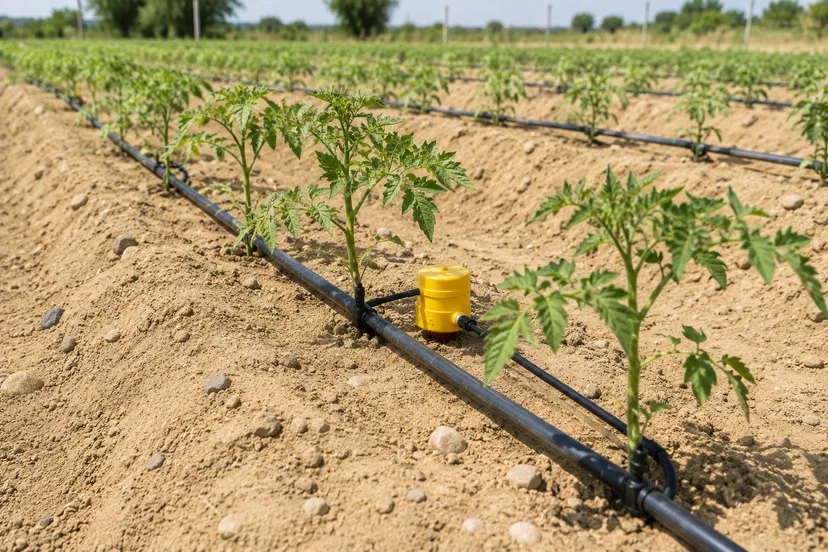
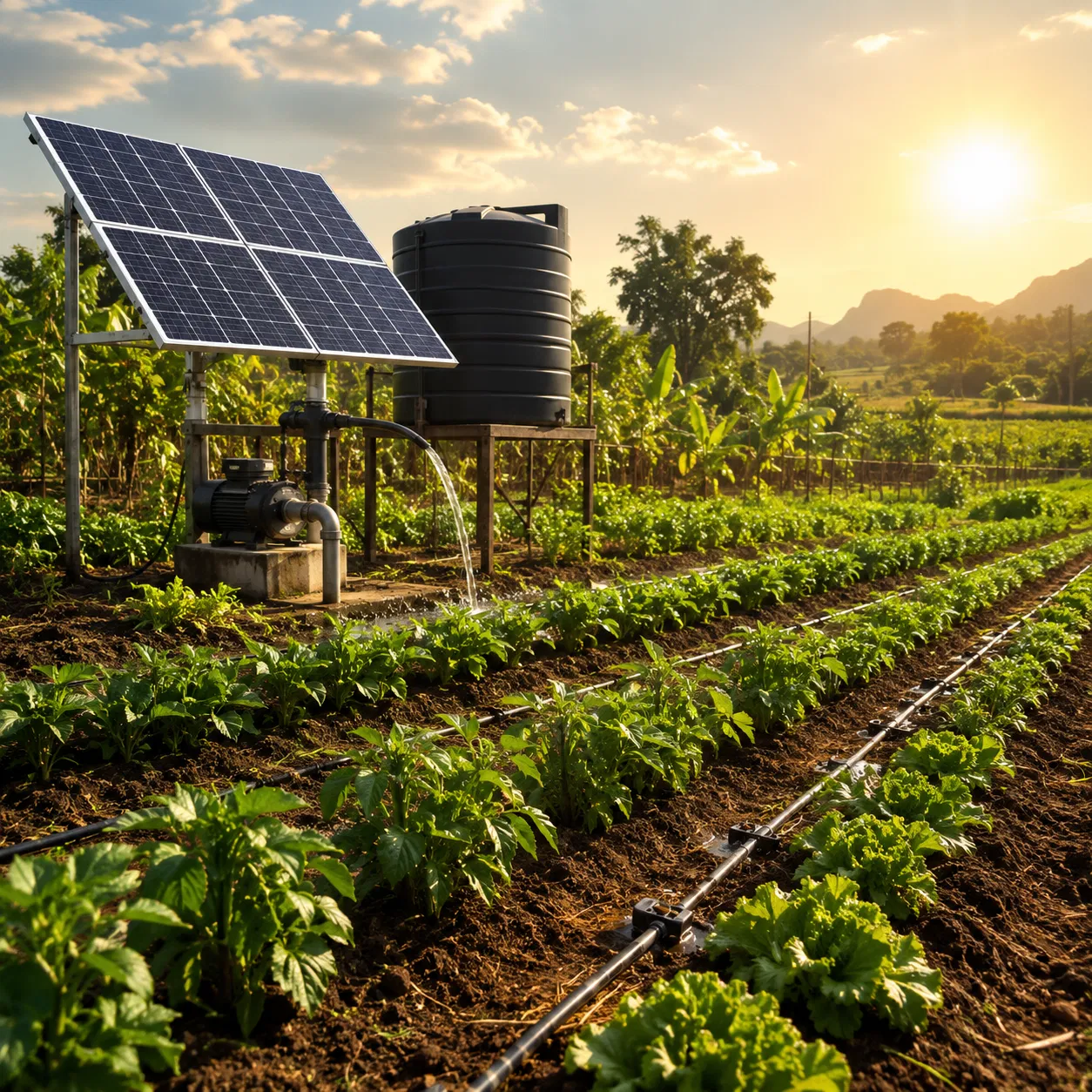
Solar-powered drip irrigation is a watering system that uses a solar panel to power a pump, timer, or controller that distributes water through drip lines. Instead of spraying water across a wide area, the system releases water slowly and precisely where plants need it most.
This setup is especially useful for:
- Vegetable gardens
- Greenhouses
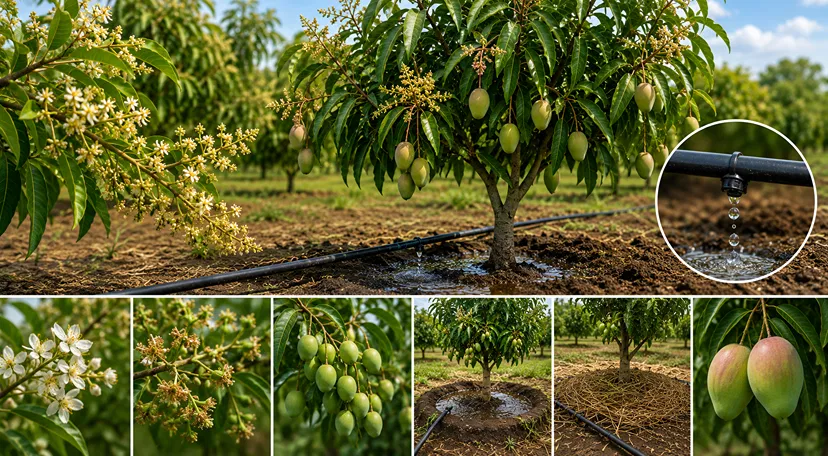
- Orchards
- Raised beds
- Remote farms or off-grid properties
Because it relies on sunlight, the system can be ideal in sunny regions where access to electricity is limited or expensive.
Why People Choose Solar-Powered Drip Irrigation
There are several reasons this system is gaining popularity among gardeners and farmers looking for a smarter irrigation solution.
1. Lower Energy Costs
One of the biggest benefits of solar-powered irrigation is the potential to reduce electricity use. Once installed, the solar panel generates free power from the sun, which can significantly lower operating costs over time.
2. Water Efficiency
Drip irrigation is already one of the most efficient watering methods available. It can reduce water waste caused by evaporation, runoff, and overspray. When paired with solar power, it becomes a highly sustainable irrigation system.
3. Off-Grid Convenience
If your garden, greenhouse, or field is far from a power source, solar drip irrigation offers a practical alternative. It can keep crops hydrated without trenching electrical lines or depending on grid power.
4. Automation and Consistency
Many solar irrigation systems can be paired with timers, moisture sensors, and controllers. That means your plants can receive more consistent watering, even when you are not around.
5. Environmentally Friendly
Using renewable energy to power irrigation reduces dependence on fossil fuels and supports a more eco-friendly growing system. For growers focused on sustainability, that’s a major advantage.
What Are the Downsides?
Despite the benefits, solar-powered drip irrigation is not perfect for every situation. Before investing, it’s important to understand the limitations.
1. Upfront Cost
The initial cost can be higher than a basic hose setup or standard drip irrigation system. You may need to pay for solar panels, batteries, charge controllers, pumps, tubing, emitters, and installation.
2. Weather Dependence
Since the system relies on sunlight, performance can drop during cloudy periods or in shaded locations. If your area gets limited sun, you may need battery storage or a backup power source.
3. Maintenance Requirements
Although drip systems are generally low-maintenance, they still need occasional cleaning and inspection. Emitters can clog, lines can leak, and solar components may need dust removal or battery replacement.
4. System Sizing Matters
A system that is too small may not deliver enough water, while an oversized system can waste money. Proper design is critical for efficiency and reliability.
How Much Does Solar-Powered Drip Irrigation Cost?
The cost of solar-powered drip irrigation varies widely depending on the size of the area, type of crops, water source, and level of automation. A small garden system may cost a few hundred dollars, while a larger agricultural setup can run into the thousands.
Typical cost factors include:
- Solar panel size and quality
- Battery storage
- Pump capacity
- Timer or smart controller
- Drip tubing and emitters
- Water tank or pressure regulation equipment
- Labor for installation
While the upfront investment may be higher, the long-term savings on electricity and water can make the system financially worthwhile, especially for larger or remote operations.
When Is It Worth It?
Solar-powered drip irrigation is most worth it when your setup matches the strengths of the system. Here’s when it tends to deliver the best value.
It Is Worth It If You:
- Have strong, consistent sunlight
- Need to irrigate a remote or off-grid location
- Want to reduce electricity and water bills
- Grow high-value crops that benefit from precise watering
- Need an automated system with minimal manual labor
- Care about sustainability and renewable energy use
It May Not Be Worth It If You:
- Only need to water a very small area occasionally
- Have heavy shade or frequent low-sun weather
- Prefer the lowest possible upfront cost
- Do not want to maintain batteries or electronic components
Best Applications for Solar Drip Irrigation
Solar-powered drip irrigation works especially well in certain settings where precision, efficiency, and independence matter most.
Home Gardens
For vegetable gardens and landscaping beds, solar drip irrigation can simplify watering while helping plants thrive with less waste.
Greenhouses
Greenhouses often benefit from automated irrigation because temperature and moisture levels can change quickly. Solar power can help keep systems running without increasing electricity costs.
Small Farms
Small-scale growers can use solar drip systems to irrigate rows of crops efficiently, especially when fields are located far from electrical infrastructure.
Orchards and Vineyards
Trees and vines often need consistent, targeted watering. Drip irrigation delivers moisture directly to the root zone, making it a strong choice for perennial crops.
Tips for Making It Worth the Investment
If you decide to install a solar-powered drip irrigation system, a few smart choices can improve performance and return on investment.
- Start with accurate sizing. Calculate water demand, sunlight availability, and pump requirements before buying equipment.
- Choose efficient components. High-quality emitters, tubing, and pumps reduce waste and downtime.
- Use moisture sensors. Smart watering controls can prevent overwatering and improve plant health.
- Plan for storage. A water tank or battery backup can help keep the system reliable during cloudy weather.
- Inspect regularly. Clean filters, check for leaks, and keep solar panels free of dirt and debris.
Final Verdict: Is Solar-Powered Drip Irrigation Worth It?
For the right user, solar-powered drip irrigation is absolutely worth it. It saves water, lowers energy costs, supports sustainable growing, and offers dependable irrigation in places where traditional systems are less practical.
It is especially valuable for gardeners, greenhouse owners, and farmers who need efficient, automated watering in sunny locations. However, if your space is small, shaded, or only watered occasionally, the upfront investment may be harder to justify.
Bottom line: If you want long-term savings, better water efficiency, and a more eco-friendly irrigation setup, solar-powered drip irrigation is a smart investment worth serious consideration.
Before you buy, assess your water needs, sun exposure, and budget carefully. With the right design, solar-powered drip irrigation can pay for itself in convenience, conservation, and healthier plants.