Healthy plants need more than water, sunlight, and nitrogen. They also rely on tiny amounts of micronutrients like iron, zinc, manganese, copper, and boron. But when soil pH drifts too high or too low, these essential elements can become unavailable, even if they are present in the soil. This is what growers often call “nutrient lockout,” and it can quietly stunt growth, weaken color, and reduce yields.
Understanding how soil pH locks up micronutrients is one of the most important steps in building productive soil. Once you know how pH affects nutrient availability, you can diagnose problems faster, correct imbalances more effectively, and help plants absorb what they need.
What Soil pH Means for Plants
Soil pH measures how acidic or alkaline the soil is on a scale from 0 to 14. A pH of 7 is neutral, below 7 is acidic, and above 7 is alkaline. Most plants prefer a slightly acidic to neutral range because that is where many nutrients remain most available.
When pH shifts outside the ideal range, chemical reactions in the soil change the form of nutrients. Micronutrients may still be in the ground, but roots cannot absorb them easily. In other words, the nutrients are there, but the plant cannot use them.
Why Micronutrients Get Locked Up
Micronutrient availability depends heavily on soil chemistry. pH influences how minerals dissolve, bind to particles, or become insoluble compounds. These changes directly affect root uptake.
Here is the basic pattern:
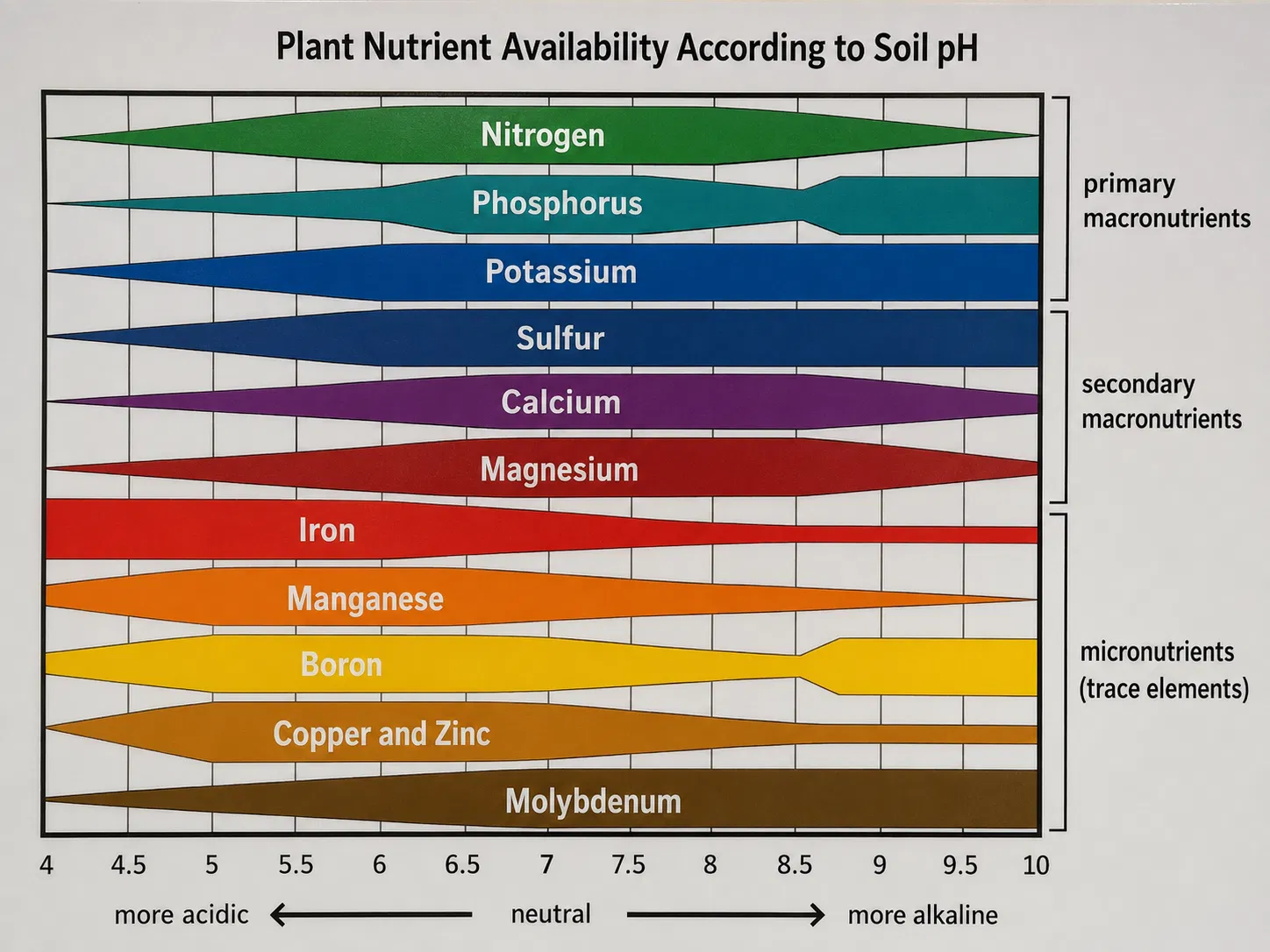
- High pH soils often reduce the availability of iron, manganese, zinc, copper, and boron.
- Low pH soils can increase the availability of some micronutrients to toxic levels while limiting others.
In many gardens and fields, the biggest issue is alkaline soil. As pH rises, micronutrients tend to precipitate or bind tightly to soil components, making them harder for roots to access.
The Most Common Micronutrients Affected by pH
Iron
Iron deficiency is one of the most common signs of nutrient lockout in high-pH soils. Plants need iron to produce chlorophyll, so when iron is unavailable, new leaves often turn yellow while the veins stay green. This is called interveinal chlorosis.
Zinc
Zinc supports growth regulation and enzyme activity. In alkaline soil, zinc becomes less soluble. Plants may show stunted growth, smaller leaves, and poor internode spacing.
Manganese
Manganese is essential for photosynthesis and metabolism. High pH can limit manganese uptake, leading to pale leaves, weak growth, and patchy chlorosis.
Copper
Copper is needed in very small amounts, but it plays an important role in reproductive growth and enzyme function. In soils with elevated pH, copper can become less available, affecting overall plant vigor.
Boron
Boron behaves differently from some other micronutrients because it can also become less available under certain pH conditions and in sandy or dry soils. It is vital for cell wall formation and flowering, so deficiencies may affect fruit and seed development.
How High pH Causes Nutrient Lockout
Soil pH above 7.5 is where many micronutrient issues become more likely. In alkaline conditions, dissolved minerals often react with carbonates and hydroxides, forming compounds plants cannot absorb. Clay particles and organic matter can also bind nutrients more tightly at higher pH.
This is why plants growing in limestone-rich regions, heavily limed soils, or areas with alkaline irrigation water often show deficiency symptoms even when soil tests report adequate micronutrient levels.
Key idea: A nutrient test may show the element is present, but pH determines whether roots can actually take it up.
How Low pH Affects Micronutrients
Acidic soil can also create problems. When pH falls too low, some micronutrients become overly soluble. That means plants may absorb too much manganese, iron, or aluminum, which can become toxic and damage roots or foliage.
Very acidic soils can also weaken root systems, making it harder for plants to gather nutrients and water efficiently. So while low pH may increase the availability of some micronutrients, it can still create a stressful growing environment.
Signs Your Plants May Be Experiencing Micronutrient Lockout
Micronutrient deficiencies often show up first in new growth because these elements are less mobile in the plant. Symptoms can vary, but common warning signs include:
- Yellowing between leaf veins, especially on young leaves
- Slow or stunted growth
- Weak stems or reduced branching
- Smaller leaves than normal
- Poor flowering or fruit set
- Leaf distortion, spotting, or necrotic patches
These symptoms can resemble disease, overwatering, or nitrogen problems, which is why soil pH testing is so important before making corrections.
How to Test Soil pH Accurately
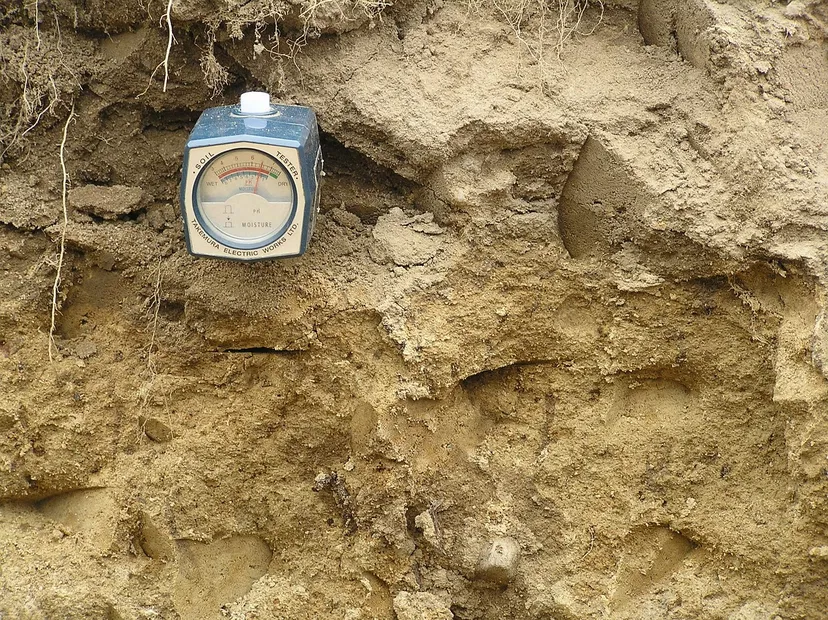
If you suspect nutrient lockout, start with a soil test. A reliable pH test tells you whether the soil is trending acidic or alkaline and helps guide your next steps.
Testing options include:
- Home pH kits for quick checks
- Digital pH meters for more frequent monitoring
- Laboratory soil tests for the most complete analysis
For best results, test multiple spots in the garden or field. Soil pH can vary across a property, especially where compost, lime, fertilizer, or irrigation patterns differ.
How to Fix Micronutrient Lockout Caused by pH
The solution depends on whether the soil is too alkaline or too acidic.
If the Soil Is Too Alkaline
To improve micronutrient availability in high-pH soil, focus on lowering pH gradually and supporting uptake:
- Apply elemental sulfur if appropriate for your soil type
- Use acid-forming fertilizers when suitable
- Incorporate organic matter to improve nutrient cycling
- Consider chelated micronutrients for faster correction
- Avoid over-liming or using alkaline irrigation water without monitoring
If the Soil Is Too Acidic
For low-pH soil, the goal is to raise pH into a more balanced range:
- Add agricultural lime based on soil test recommendations
- Monitor manganese and iron levels to avoid toxicity
- Improve drainage and root health
- Use compost carefully to support buffering without worsening imbalance
Why Chelated Micronutrients Help
Chelated micronutrients are minerals wrapped in compounds that keep them more stable in the soil. This makes them easier for plants to absorb, especially in alkaline conditions where normal micronutrients may bind up quickly.
They are not a substitute for correcting soil pH, but they can be a practical short-term solution when plants are showing deficiency symptoms and need quick support.
Preventing Soil pH Problems Long Term
The best strategy is to avoid major pH swings in the first place. Stable soil chemistry supports steady nutrient uptake and healthier crops.
Good long-term practices include:
- Testing soil regularly
- Adding amendments only when needed
- Choosing fertilizers that match your soil conditions
- Managing irrigation water quality
- Building soil organic matter over time
Consistency matters. Small corrections made early are much easier than trying to rescue a crop after deficiency symptoms appear.
Conclusion: pH Controls Access, Not Just Availability
Soil pH plays a powerful role in whether micronutrients remain usable to plants. Even when iron, zinc, manganese, copper, and boron are present, the wrong pH can lock them away from roots and trigger visible deficiency symptoms. That is why nutrient management is not just about adding more fertilizer—it is about creating the right chemical environment in the soil.
If your plants are struggling with yellowing leaves, weak growth, or poor performance, start with a soil pH test before anything else. A simple adjustment may be the key to unlocking the micronutrients your plants already have access to and restoring healthy growth from the ground up.