When soil is too acidic, plants often struggle to access the phosphorus they need for strong roots, healthy blooms, and productive harvests. That is where rock phosphate in acidic soils can become a smart, long-lasting solution. Unlike quick-release fertilizers, rock phosphate works slowly, feeding the soil over time and improving fertility in a natural way.
If you want to get the most value from this mineral amendment, the key is knowing when to use it, how to apply it, and what soil conditions help it perform best. In this guide, you will learn how to use rock phosphate effectively in acidic soils for stronger, healthier plants.
What Is Rock Phosphate?
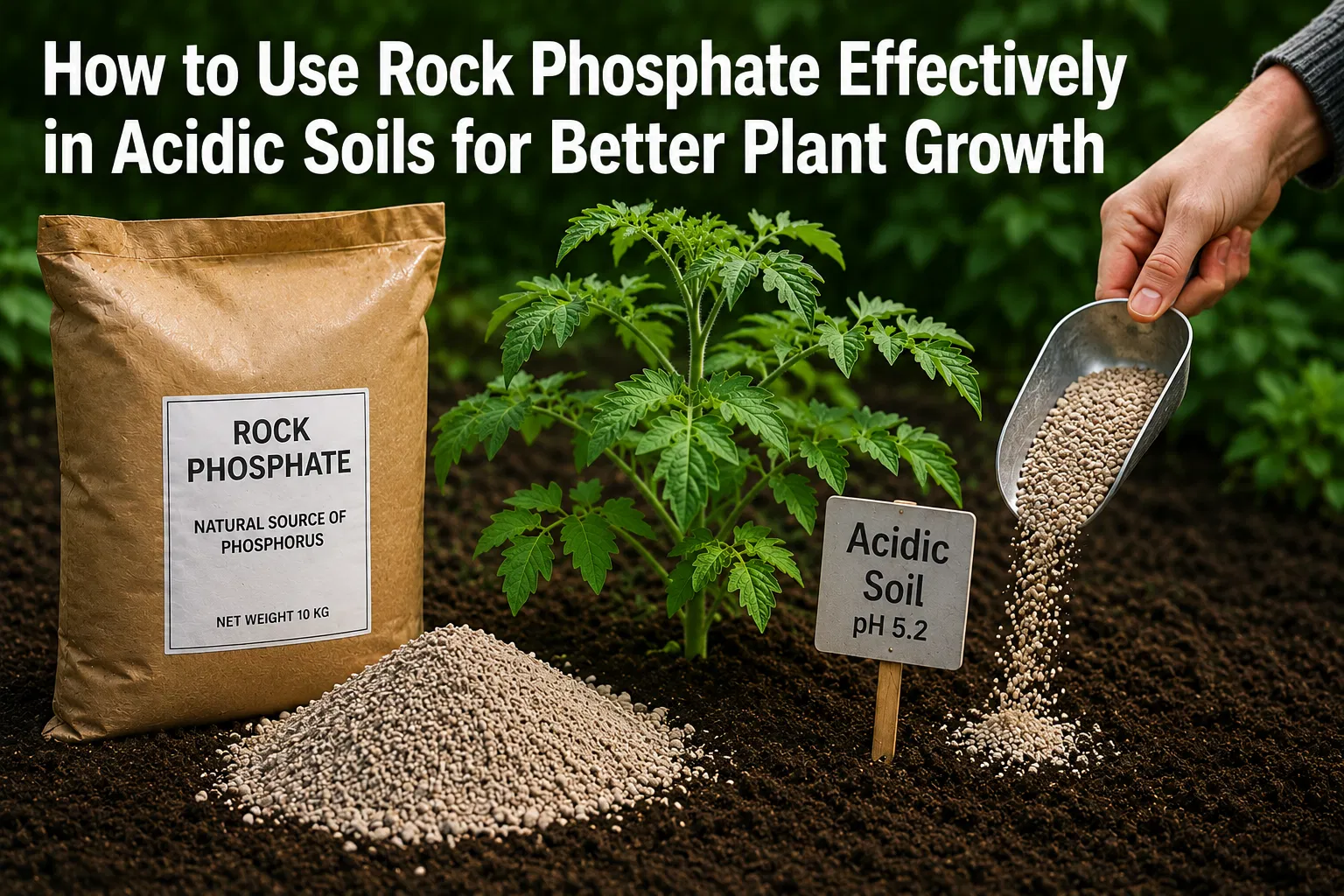
Rock phosphate is a naturally mined mineral source of phosphorus, one of the most important nutrients for plant development. It is typically used as a slow-release soil amendment, especially in organic gardening and long-term soil improvement programs.
Because it is not immediately soluble, rock phosphate needs soil conditions that support gradual breakdown. That is why it is most effective in acidic soils, where natural acidity helps release phosphorus into forms plants can absorb.
Why Acidic Soils Help Rock Phosphate Work Better
Rock phosphate becomes more available in soils with a lower pH. In acidic conditions, the mineral particles dissolve more easily, making phosphorus accessible to plant roots over time.
This makes it a valuable amendment for gardens and farms with soil pH below 6.5. In contrast, alkaline soils usually do not release phosphorus efficiently from rock phosphate, which reduces its usefulness.
Best performance tip: Rock phosphate works best when the soil pH is moderately acidic, ideally between 5.5 and 6.5.
Test Your Soil Before Applying Rock Phosphate
Before using any phosphorus amendment, test your soil first. A soil testing kit tells you the current pH level, phosphorus content, and whether your soil actually needs added phosphate.
Applying rock phosphate without testing can waste time and money, especially if the soil is already rich in phosphorus or too alkaline for the amendment to work well.
What to look for in a soil test
- pH level: Confirms whether the soil is acidic enough
- Phosphorus levels: Shows if supplementation is needed
- Organic matter: Indicates how well the soil supports nutrient cycling
- Calcium balance: Helps assess overall soil chemistry
How to Apply Rock Phosphate in Acidic Soils
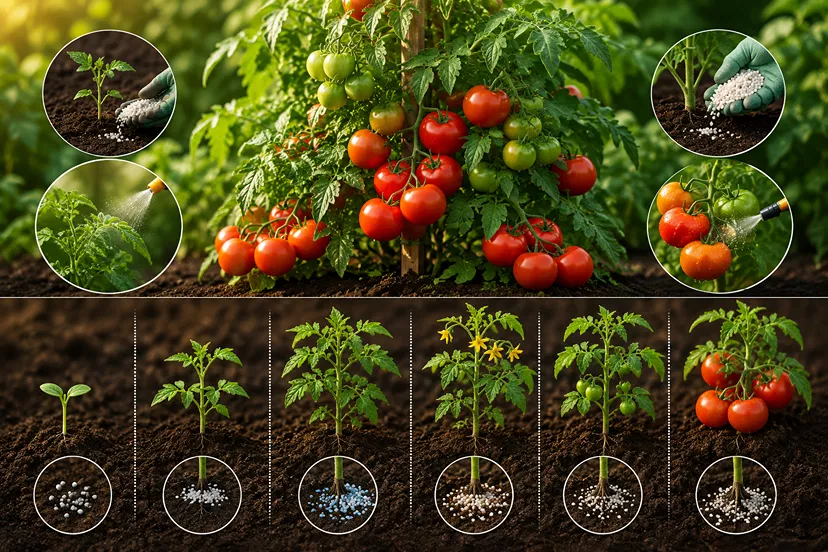
For the best results, apply rock phosphate directly into the root zone or mix it into the soil before planting. Because it is a slow-release source, it should be incorporated where roots can access it over time.
Step-by-step application method
- Clear the planting area: Remove weeds and debris before application.
- Measure the amount: Follow soil test recommendations or product label directions.
- Spread evenly: Distribute rock phosphate across the soil surface.
- Work it into the soil: Mix it into the top 4 to 6 inches of soil.
- Water lightly: Moisture helps activate soil biology and nutrient release.
For established plants, gently apply rock phosphate around the drip line rather than directly against the stem. For new beds or garden plots, blending it into the soil before planting usually gives the best long-term response.
Combine Rock Phosphate with Organic Matter
One of the most effective ways to improve rock phosphate performance is to pair it with compost, manure, or other organic matter. These materials support beneficial microbes and release organic acids that help unlock phosphorus from the mineral source.
Healthy soil biology speeds up the availability of nutrients. In acidic soils, the combination of rock phosphate and organic matter often produces better results than using either one alone.
Good organic partners for rock phosphate
- Finished compost
- Well-rotted manure
- Worm castings
- Leaf mold
- Cover crop residue
Best Crops and Plants for Rock Phosphate
Rock phosphate is especially helpful for crops and plants that need strong root development and steady phosphorus supply. It is commonly used in vegetable gardens, fruit orchards, flower beds, and pasture systems.
Plants that benefit most
- Tomatoes
- Beans and peas
- Root crops such as carrots and beets
- Fruit trees
- Roses and flowering shrubs
- Legumes and forage crops
Young transplants and newly established perennials can benefit from rock phosphate because phosphorus supports early root growth, flowering, and fruit set.
How Much Rock Phosphate Should You Use?
The right amount depends on your soil test, crop needs, and the phosphorus content of the product. More is not always better. Excess phosphorus can create nutrient imbalances and reduce the uptake of other important elements.
As a general rule, use only the recommended rate listed on the product label or soil report. For garden beds, rock phosphate is usually applied sparingly and reapplied only when needed, often as part of a broader soil-building plan.
Important: Always base application rates on soil test results whenever possible to avoid overuse.
Tips to Maximize Results
Using rock phosphate effectively in acidic soils is about more than just spreading it on the ground. A few practical habits can greatly improve its performance.
- Maintain the right pH: Keep soil moderately acidic for best phosphorus release.
- Add compost regularly: Organic matter supports microbial activity and nutrient availability.
- Incorporate into the soil: Rock phosphate works better when mixed into the root zone.
- Be patient: It is a slow-release amendment, not an instant fertilizer.
- Retest soil periodically: Monitor pH and phosphorus levels every 1 to 3 years.
Common Mistakes to Avoid
Even in acidic soils, rock phosphate can underperform if it is used incorrectly. Avoid these common mistakes to get better results:
- Applying it to alkaline soil without adjusting pH
- Skipping soil tests
- Using too much at once
- Leaving it on the surface without incorporation
- Expecting immediate plant response
Patience and proper soil management are essential. Rock phosphate is designed to build fertility gradually, not to replace a fast-acting fertilizer in an emergency.
Conclusion
Rock phosphate can be a highly effective phosphorus source in acidic soils when used with care and planning. By testing your soil, applying it properly, and pairing it with organic matter, you can improve nutrient availability and support healthier plant growth over time.
If your goal is to build long-term soil fertility naturally, rock phosphate in acidic soils is a practical and sustainable option. Start with a soil test, apply it wisely, and let your soil biology do the rest.
Final insight: The best results come from treating rock phosphate as part of a complete soil-building strategy, not just a one-time fertilizer application.