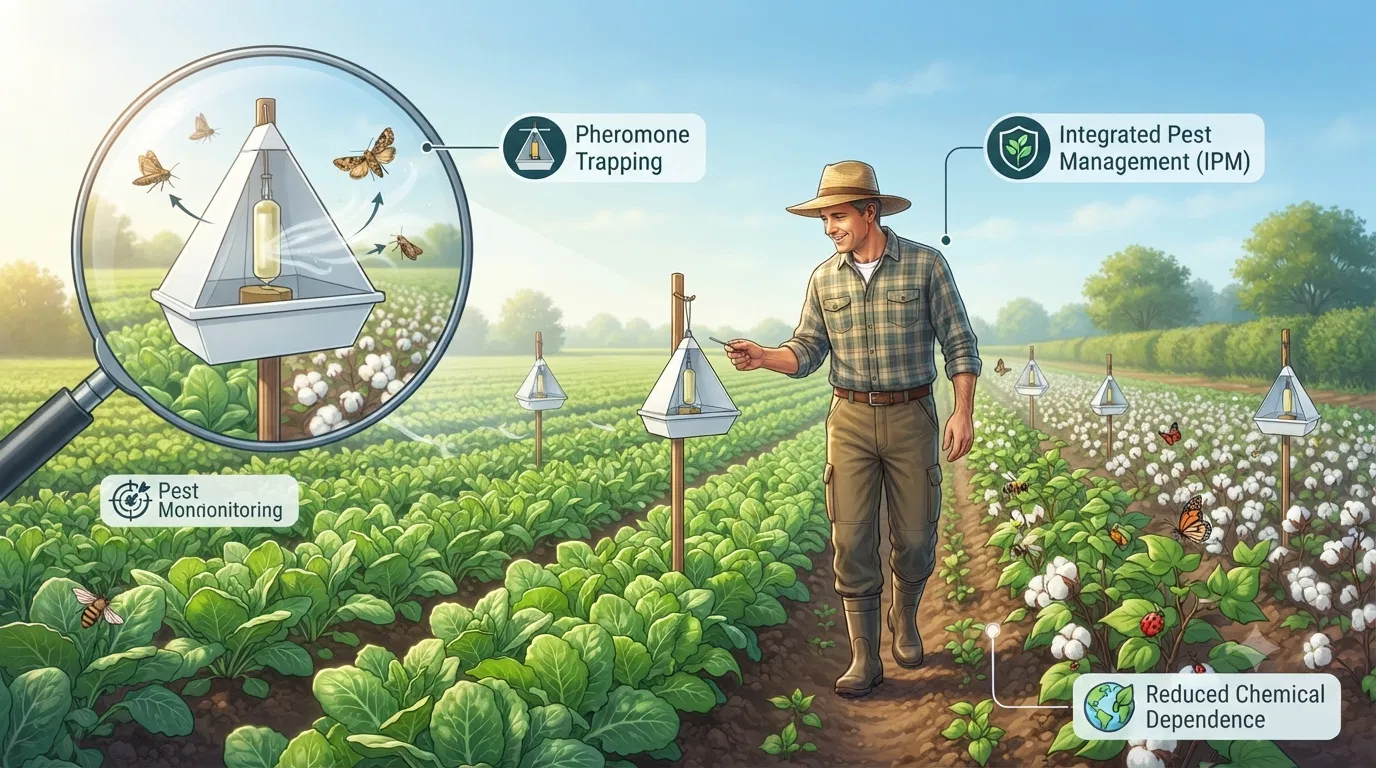
If you want to keep pests under control without relying on harsh chemicals, pheromone traps are one of the smartest tools available. These simple but highly effective devices help you monitor pest activity, trap specific insects naturally, and make better decisions about when action is truly needed. Whether you manage a garden, greenhouse, pantry, or commercial crop, pheromone traps can give you an early warning system that works with nature instead of against it.
What Are Pheromone Traps?
Pheromone traps use synthetic versions of insect pheromones, which are natural chemical signals pests use to communicate. In many species, these signals attract mates. By placing a pheromone lure inside a trap, you can draw target pests toward a sticky surface or capture chamber before they reproduce and spread.
Unlike broad-spectrum sprays, pheromone traps are highly targeted. They usually attract only one species or a very small group of related pests, making them a precise and environmentally friendly pest control option.
How Pheromone Traps Work
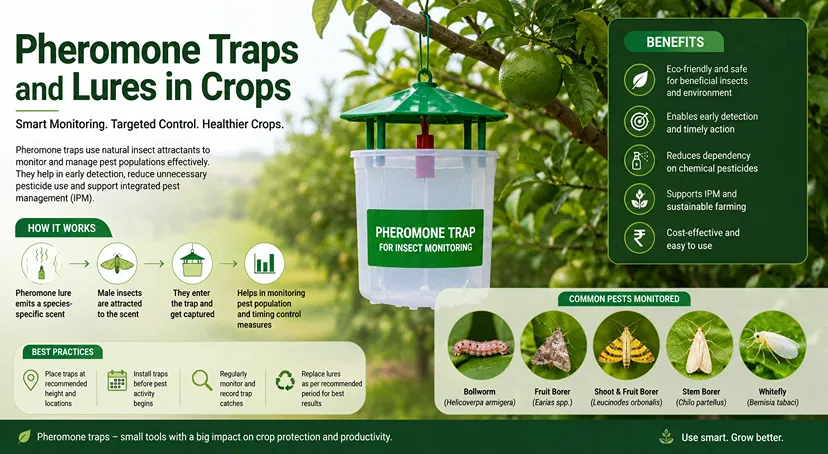
The basic idea is simple: a lure releases a scent that mimics a pest's mating signal. The insect follows the scent to the trap and gets caught. Because the pheromone is species-specific, beneficial insects like bees and ladybugs are not affected.
This makes pheromone traps especially useful for integrated pest management (IPM), where monitoring comes first and control methods are used only when necessary.
Key advantage: Pheromone traps help you catch problems early, before pest populations explode.
Why Use Pheromone Traps?
Pheromone traps offer several important benefits for homeowners, gardeners, and growers:
- Early detection: Spot pest activity before major damage occurs.
- Targeted control: Trap specific insects without harming beneficial species.
- Reduced pesticide use: Use chemicals only when monitoring shows they are needed.
- Better timing: Track pest cycles and apply treatments at the most effective stage.
- Eco-friendly approach: Support natural pest management and reduce environmental impact.
For many people, the biggest advantage is peace of mind. Instead of guessing whether pests are present, you can see real evidence and respond strategically.
Common Pests Monitored with Pheromone Traps
Pheromone traps are used for many insect pests, especially moths and beetles. Some of the most common targets include:
- Codling moth
- Tomato hornworm moth
- Indian meal moth
- Clothes moth
- Gypsy moth
- Japanese beetle
- Carpet beetle
Different traps are designed for different pests, so choosing the right lure is essential. A trap meant for pantry moths will not attract garden moths, and vice versa.
Monitoring vs. Mass Trapping
There are two main ways to use pheromone traps: monitoring and mass trapping.
Monitoring
Monitoring means using traps to check whether pests are present and how active they are. This helps you decide if more control measures are needed. It is one of the most valuable uses of pheromone traps because it prevents unnecessary treatments.
Mass Trapping
Mass trapping aims to reduce the pest population by catching large numbers of insects. This method can work well when pest pressure is moderate and the trap density is high enough. However, mass trapping is usually more effective when combined with other pest management strategies.
How to Use Pheromone Traps Effectively
To get the best results, placement and timing matter. Follow these basic steps:
- Choose the right trap and lure. Match the product to the specific pest you want to monitor or trap.
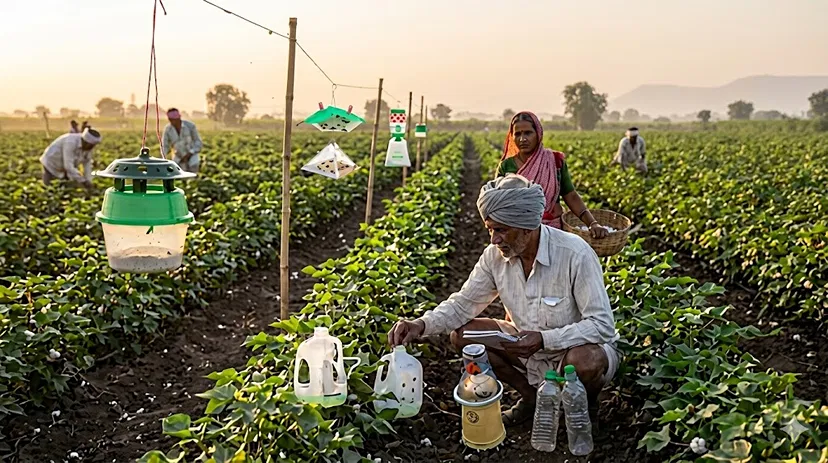
- Place traps in the correct location. Hang or set them where the target pest is active, such as near crops, storage areas, or entry points.
- Install them early. Set traps before pest season begins so you can detect the first signs of activity.
- Check traps regularly. Inspect them weekly or as directed to count captures and replace sticky inserts or lures when needed.
- Record what you find. Keeping notes helps you identify trends and predict future outbreaks.
For garden use, traps are often placed at plant height or slightly above the crop canopy. In indoor spaces, such as kitchens or pantries, traps should be positioned near suspected infestation areas without touching food surfaces.
Best Practices for Natural Pest Control
Pheromone traps are most effective when used as part of a broader natural pest management strategy. Consider combining them with these practices:
- Sanitation: Remove infested fruit, food debris, or plant matter.
- Exclusion: Seal cracks, repair screens, and block pest entry points.
- Crop rotation: Reduce pest buildup in gardens and fields.
- Physical barriers: Use row covers, netting, or storage containers.
- Biological control: Encourage beneficial insects and natural predators.
These methods work together to reduce pest pressure and make pheromone traps even more effective.
Limitations to Keep in Mind
Although pheromone traps are powerful, they are not a complete solution on their own. They usually target only one pest species, so they will not control mixed infestations. In some cases, traps may attract pests from nearby areas, which can increase the number of insects in the immediate vicinity if not managed properly.
They also work best when used consistently. If traps are placed too late, left unchecked, or paired with the wrong lure, their effectiveness drops quickly.
Choosing the Right Pheromone Trap
When selecting a pheromone trap, look for these features:
- Specific pest match: Make sure the lure is designed for your target insect.
- Durable design: Choose a trap that can withstand outdoor or indoor conditions.
- Easy maintenance: Refill and replacement should be simple.
- Clear monitoring area: Sticky inserts or collection surfaces should make counting easy.
For home use, simple sticky traps with pheromone lures are often enough. For larger gardens or commercial settings, more robust trap systems may be better for long-term monitoring.
Why Pheromone Traps Fit Modern Pest Management
Today, more homeowners and growers want pest control solutions that are effective, low-toxicity, and sustainable. Pheromone traps fit that demand perfectly. They support smarter decisions, reduce unnecessary spraying, and help protect the health of your plants, food, and environment.
By focusing on monitoring first, you can respond only when pest levels justify action. That means less waste, less stress, and a more balanced approach to pest control.
Conclusion
Pheromone traps are a practical, natural, and highly targeted way to monitor and trap pests. They give you early warnings, help you track pest activity, and support safer pest management choices. When combined with good sanitation, prevention, and other eco-friendly methods, they become a powerful part of any natural pest control plan.
If you want better control without overusing chemicals, start with pheromone traps. They are a simple step that can make a big difference in keeping pests under control naturally.