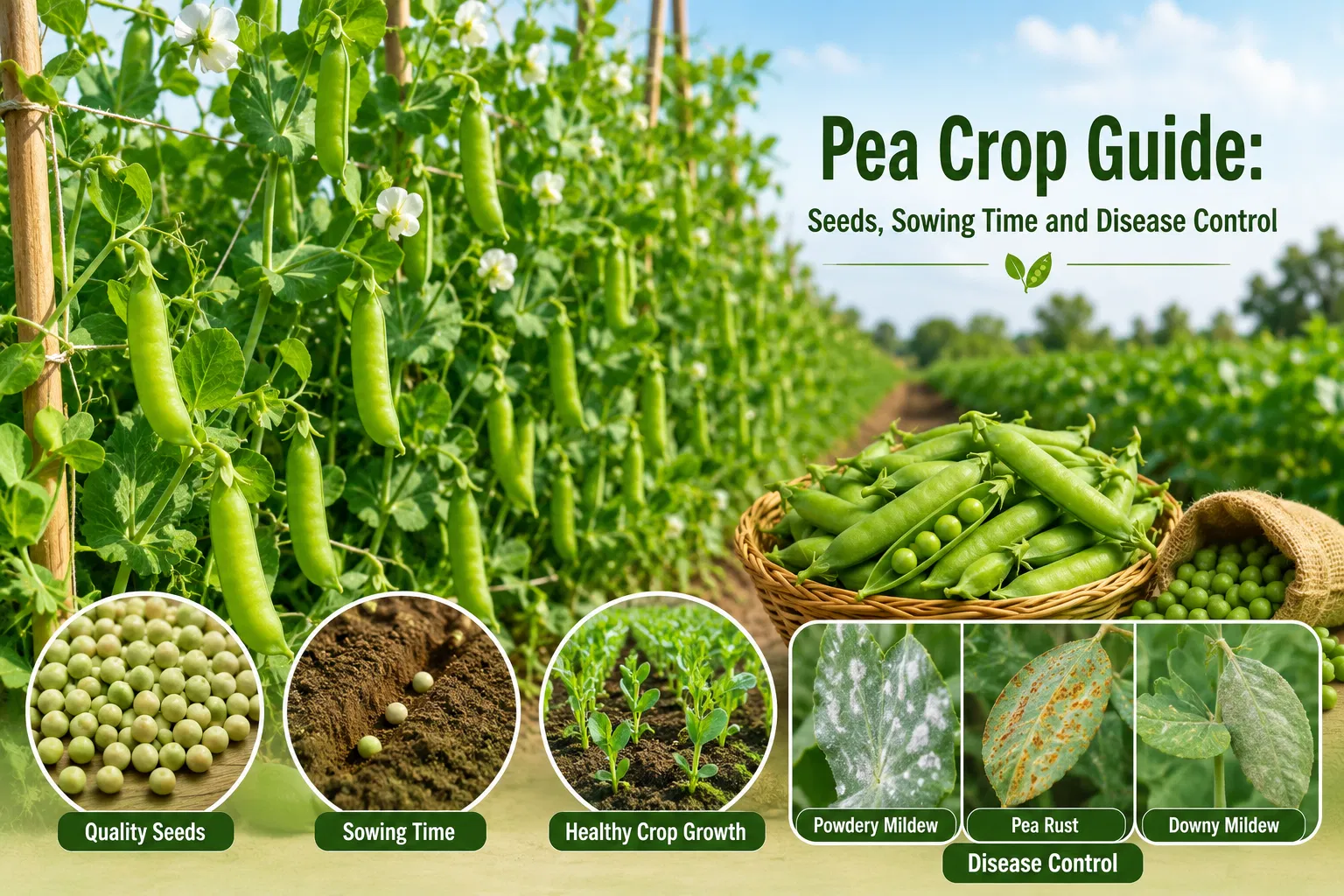
Peas are one of the most rewarding cool-season crops to grow. With the right pea seeds, proper sowing time, and effective disease control, you can enjoy a productive crop that delivers tender, sweet pods and a strong marketable yield. Whether you are a home gardener or a commercial grower, success with peas starts long before harvest.
This complete pea crop guide covers everything you need to know about choosing the best seeds, planting at the right time, and protecting your crop from common diseases. If you want healthier plants and better yields, start with these essentials.
Choosing the Best Pea Seeds
Selecting quality seeds is the first step toward a strong pea crop. Not all pea varieties perform the same, and your choice should depend on climate, purpose, and growing season.
Types of Pea Seeds
- Garden peas: These are classic shelling peas, grown for the sweet seeds inside the pods.
- Snow peas: Harvested when pods are flat and tender, ideal for stir-fries and fresh use.
- Sugar snap peas: Known for crisp pods and sweet flavor, these are popular in both home gardens and fresh markets.
What to Look for in Quality Seeds
- High germination rate: Choose seeds from reliable suppliers with proven viability.
- Disease resistance: Select varieties bred to resist common pea diseases such as powdery mildew and wilt.
- Adaptability: Pick varieties suited to your local temperature and day-length conditions.
- Uniform seed size: Good-quality seeds usually give more even germination and crop growth.
For best results, use certified seeds whenever possible. They reduce the risk of seed-borne diseases and give you a more consistent crop stand.
Best Sowing Time for Pea Crop
Timing is critical when growing peas. Peas thrive in cool weather and perform best when planted early enough to mature before hot temperatures arrive. Delayed sowing often leads to poor flowering, lower pod set, and weaker plants.
Ideal Temperature Range
Peas grow best when daytime temperatures stay between 13°C and 24°C. Seeds germinate well in cool soil, but excessive heat can reduce germination and shorten the harvest period.
Recommended Sowing Window
- Temperate regions: Sow in early spring as soon as the soil can be worked.
- Cooler climates: Plant in late winter to early spring, depending on frost risk.
- Warm regions: Sow in autumn or early winter for a cooler growing period.
In general, peas should be planted 4 to 6 weeks before the last expected frost in spring. In areas with mild winters, a fall sowing can also be successful.
Soil Preparation Before Sowing
Peas prefer well-drained soil with good organic matter. Avoid waterlogged fields, as excess moisture can increase disease pressure and reduce root health.
- Work the soil to a fine tilth.
- Mix in compost or well-rotted farmyard manure.
- Maintain a soil pH between 6.0 and 7.5.
- Avoid heavy nitrogen fertilization, which can encourage leafy growth instead of pod development.
How to Sow Pea Seeds Correctly
Proper sowing methods improve emergence, reduce seed loss, and help create a uniform stand. Pea seeds are large enough to handle easily, which makes planting straightforward.
Step-by-Step Sowing Guide
- Mark rows with a spacing of 30 to 45 cm apart.
- Plant seeds at a depth of 3 to 5 cm, depending on soil type.
- Keep seeds spaced 5 to 8 cm apart within the row.
- Cover lightly with soil and water gently.
- Install trellises or support nets for climbing varieties if needed.
For better germination, avoid overwatering immediately after sowing. The soil should remain moist, not saturated. If birds or pests are a problem, use row covers until seedlings emerge.
Key Disease Control Practices for Pea Crop
Diseases can seriously affect pea yield and quality if not managed early. The best approach is prevention, followed by careful monitoring throughout the season. Healthy seed, crop rotation, and good field hygiene are essential.
Common Pea Diseases
- Powdery mildew: Appears as a white powdery coating on leaves and stems, especially in warm, humid conditions.
- Root rot: Caused by soil-borne fungi in poorly drained soils, leading to wilting and stunted plants.
- Fusarium wilt: A serious disease that causes yellowing, drooping, and decline in plants.
- Ascochyta blight: Produces dark spots on leaves, pods, and stems, often spreading rapidly in wet weather.
- Downy mildew: Causes yellow patches and fungal growth on the underside of leaves.
Effective Disease Prevention Tips
- Use certified, disease-free seeds.
- Rotate crops with non-legume plants for at least 3 years.
- Avoid overhead irrigation that keeps foliage wet for long periods.
- Plant in well-drained soil to reduce root disease risk.
- Remove infected plants immediately to limit spread.
- Maintain proper spacing for better air circulation.
- Disinfect tools after working in diseased areas.
Fungicide and Biological Options
Where disease pressure is high, preventive fungicide applications may be useful, especially for powdery mildew and blight. Always follow local agricultural recommendations and label instructions. Biological control products and beneficial microbes can also support healthier roots and improve disease resistance when used as part of an integrated management program.
Tip: The most effective disease control strategy is a combination of resistant varieties, clean seed, proper spacing, and timely field inspection.
Crop Care After Emergence
Once seedlings emerge, good management helps plants grow vigorously and produce more pods. Peas generally do not require heavy feeding, but they do need consistent moisture and protection from stress.
Important Care Practices
- Water regularly: Keep soil evenly moist, especially during flowering and pod filling.
- Weed control: Remove weeds early so they do not compete for nutrients and light.
- Support plants: Use stakes, strings, or mesh for vining varieties.
- Monitor pests: Watch for aphids, cutworms, and pea weevils.
- Harvest frequently: Picking pods on time encourages continued production.
Too much water can be as harmful as too little. Peas need moisture, but soggy conditions create the perfect environment for root diseases. A balanced irrigation approach is key.
Harvesting Peas at the Right Time
Harvest timing affects taste, texture, and total yield. Peas should be picked when pods are full but still tender. Delayed harvesting can make pods tough and reduce plant productivity.
Harvest Signs
- Garden peas: Pods are round and firm, with plump seeds inside.
- Snow peas: Pods are flat, crisp, and still young.
- Sugar snap peas: Pods are swollen but remain tender and crunchy.
Regular picking every few days promotes more flowering and keeps the crop productive for a longer period.
Conclusion
Growing a successful pea crop comes down to three major factors: choosing the right seeds, sowing at the correct time, and preventing disease before it starts. When you combine quality seed, cool-season planting, and smart crop management, peas can reward you with a healthy, high-yield harvest.
Use this guide as your planting checklist, stay alert for early signs of disease, and give your crop the attention it needs from sowing to harvest. With the right approach, your pea crop can be both productive and profitable.