If your vegetable plants look pale, grow slowly, or produce disappointing harvests, the problem may be as simple as missing nutrients. NPK fertilizer is one of the easiest ways to give a vegetable garden the balanced feeding it needs to thrive. Once you understand what the numbers mean and how to use them correctly, you can grow healthier plants and better harvests with far more confidence.
What Is NPK Fertilizer?
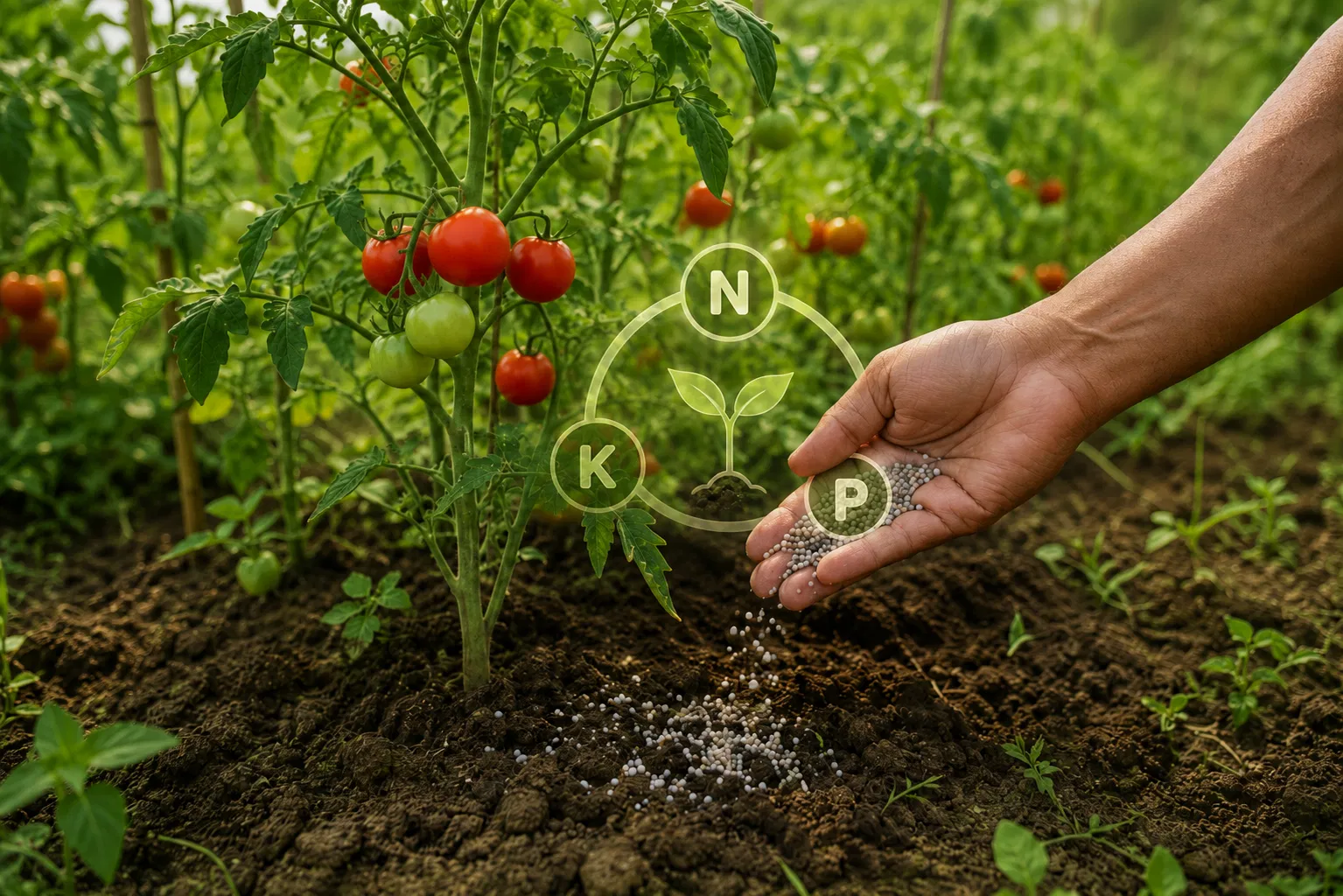
NPK fertilizer is a garden fertilizer that contains three essential nutrients: nitrogen (N), phosphorus (P), and potassium (K). These nutrients are usually listed as three numbers on the bag, such as 10-10-10 or 5-10-5. Each number represents the percentage of that nutrient in the mix.
For vegetable gardens, NPK fertilizer helps support the three biggest needs of plants:
- Nitrogen (N) supports leafy green growth.
- Phosphorus (P) supports root development, flowering, and fruiting.
- Potassium (K) supports overall plant health, disease resistance, and strong yields.
Why NPK Matters in a Vegetable Garden
Vegetables are heavy feeders. Tomatoes, peppers, cucumbers, lettuce, carrots, beans, and leafy greens all need a steady supply of nutrients to grow well. Soil can only provide so much on its own, especially if you plant in the same bed every season.
NPK fertilizer for vegetable garden use helps replenish nutrients that plants remove from the soil. When used properly, it can improve growth, boost productivity, and prevent common deficiency problems such as yellow leaves, weak stems, and poor fruiting.
Understanding the NPK Numbers
Reading fertilizer labels can feel confusing at first, but the numbers are simple once you know what they mean.
High Nitrogen Fertilizers
Fertilizers with a higher first number, such as 20-10-10, are often used for leafy vegetables or during early growth. Nitrogen encourages strong foliage, which is especially useful for lettuce, spinach, kale, and other greens.
Balanced Fertilizers
A balanced fertilizer like 10-10-10 provides an even amount of all three nutrients. This is a popular choice for beginner gardeners because it works well for many vegetables and is easy to apply.
Higher Phosphorus or Potassium Formulas
Fertilizers with more phosphorus or potassium may be helpful when plants are flowering, setting fruit, or showing signs of stress. For example, tomatoes and peppers often benefit from a formula that supports fruit production rather than excessive leaf growth.
Choosing the Right NPK Fertilizer for Your Vegetables
The best fertilizer depends on what you are growing and what stage the plants are in.
- Leafy greens: Choose a fertilizer with more nitrogen to encourage lush leaves.
- Root crops: Use a balanced or lower-nitrogen fertilizer to avoid excessive top growth.
- Fruiting vegetables: Use a fertilizer that supports flowering and fruit set without overfeeding nitrogen.
- General vegetable beds: A balanced fertilizer is often the safest option for beginners.
If you are unsure, start with a soil test. Soil testing tells you which nutrients are already present and which ones need to be added. That way, you avoid wasting fertilizer and reduce the risk of overfeeding your plants.
Tip: More fertilizer is not always better. Overfertilizing can damage roots, reduce yields, and make plants grow too quickly without developing properly.
How to Apply NPK Fertilizer in a Vegetable Garden
Correct application matters just as much as choosing the right product. Always follow the label instructions, since concentration and feeding rates vary by brand.
1. Work It Into the Soil Before Planting
Before planting vegetables, mix granular fertilizer into the top layer of soil. This gives young roots access to nutrients as they begin growing.
2. Side-Dress Growing Plants
Side-dressing means placing fertilizer a few inches away from the plant stem and lightly working it into the soil. This method is useful for vegetables that need extra feeding during the season, such as tomatoes, corn, and cabbage.
3. Use Liquid Fertilizer for Quick Feeding
Liquid NPK fertilizers are absorbed more quickly and can help when plants need a fast boost. They are especially useful for container gardens or for correcting mild nutrient deficiency.
4. Water After Applying
Water helps move nutrients into the root zone. Whether you use granular or liquid fertilizer, proper watering improves results and lowers the chance of root burn.
Common Mistakes Beginners Make
Even a good fertilizer can cause problems if it is used the wrong way. Avoid these common mistakes:
- Using too much nitrogen: This can lead to big leafy plants but fewer vegetables.
- Skipping soil testing: You may end up adding nutrients the soil already has in abundance.
- Fertilizing too often: Excess feeding can harm plant health and soil balance.
- Applying fertilizer too close to stems: This can burn tender roots and stems.
- Ignoring plant type: Different vegetables need different nutrient ratios.
Organic vs. Synthetic NPK Fertilizer
Beginners often wonder whether organic or synthetic fertilizer is better. The answer depends on your goals and gardening style.
Organic NPK Fertilizers
Organic options come from natural materials such as composted manure, bone meal, feather meal, and kelp. They usually release nutrients more slowly and help improve soil structure over time.
Synthetic NPK Fertilizers
Synthetic fertilizers are manufactured for precise nutrient ratios and faster results. They are often easier to measure and can be useful when plants need immediate support.
Many gardeners use a combination of both. Organic matter improves the soil, while targeted NPK fertilizer provides quick nutrition when needed.
Signs Your Vegetable Garden May Need NPK Fertilizer
Your plants often tell you when something is missing. Watch for these signs:
- Yellowing leaves: Often linked to nitrogen deficiency.
- Poor flowering or fruiting: May indicate low phosphorus or potassium.
- Weak stems: Plants may need better overall nutrient support.
- Slow growth: Can happen when soil fertility is low.
- Poor harvest quality: Small, misshapen, or sparse vegetables can signal nutrient imbalance.
These symptoms can also be caused by watering issues, pests, or disease, so it helps to look at the whole plant and growing environment before changing your fertilizer routine.
Best Practices for Healthy Vegetable Growth
Fertilizer works best when it is part of an overall care routine. To get the most from your NPK fertilizer for vegetable garden use, remember these basics:
- Start with healthy, nutrient-rich soil.
- Choose a fertilizer that matches your crop.
- Apply it at the right time and in the right amount.
- Water consistently.
- Add compost or organic matter to improve soil health.
When soil is well managed, fertilizer becomes a helpful tool instead of a guesswork solution.
Final Thoughts
NPK fertilizer is one of the most useful tools a beginner vegetable gardener can learn to use. By understanding the numbers, choosing the right formula, and applying it carefully, you can support stronger plants and more productive harvests throughout the growing season.
Start simple, read the label, and let your plants guide you. With the right NPK fertilizer and a little attention, your vegetable garden can become healthier, more balanced, and far more rewarding.