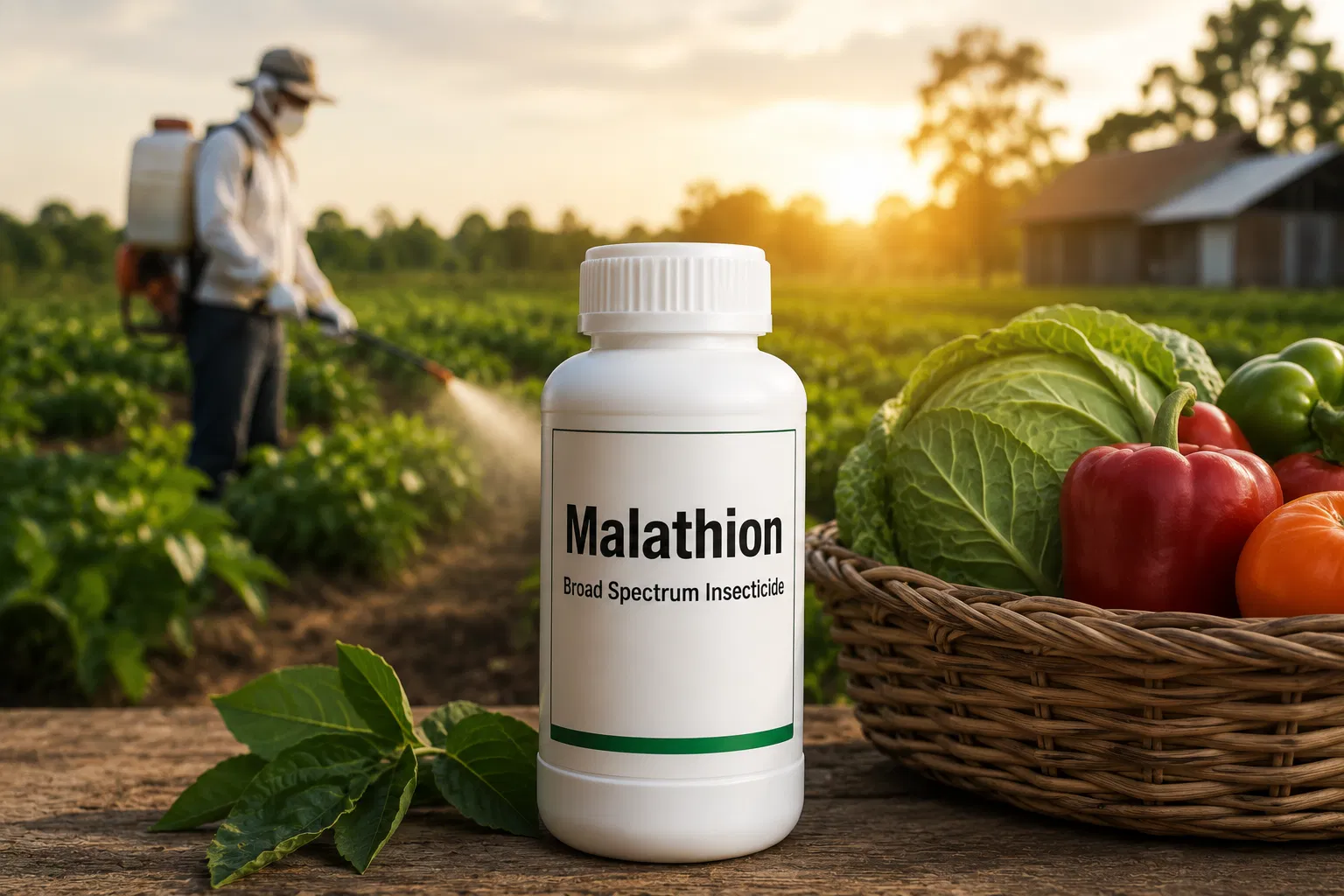
When an insect problem gets out of hand, few products have earned as much long-standing trust as malathion. This broad-spectrum insecticide has been used for decades to control a wide range of pests in agriculture, home landscapes, and public health programs. While newer pest control products have entered the market, malathion remains relevant because of its effectiveness, versatility, and fast action.
In this guide, we’ll explore what malathion is, how it works, where it is used, and what you should know before applying it. If you’re looking for a reliable overview of this classic insecticide, you’re in the right place.
What Is Malathion?
Malathion is an organophosphate insecticide designed to kill or control many types of insects. It is considered a broad-spectrum insecticide because it targets a wide variety of pests rather than just one specific species.
Originally developed in the mid-20th century, malathion has been widely used in agriculture, mosquito control, and certain residential pest management applications. It works by disrupting the nervous system of insects, leading to paralysis and death.
Malathion is valued for its broad pest coverage, quick knockdown effect, and long history of use in both commercial and public health pest control.
How Malathion Works
Malathion affects insects by interfering with an enzyme called acetylcholinesterase. This enzyme is essential for normal nerve function. When the enzyme is blocked, nerve signals keep firing uncontrollably, which causes the insect to become overstimulated, paralyzed, and eventually die.
Because malathion acts on the nervous system, it is effective against many soft-bodied and flying insects. It is often chosen when pest pressure is high and rapid control is needed.
Common Uses of Malathion
Malathion is used in several settings, depending on the formulation and regulatory approval in a specific region. Some of the most common uses include:
- Agricultural pest control for fruits, vegetables, and field crops
- Ornamental plant protection against leaf-feeding insects
- Mosquito control in public health and community programs
- Fruit fly suppression in orchards and gardens
- Head lice treatment in certain medicinal formulations
- General insect management in some home and landscape applications
Its broad action makes malathion especially useful where multiple insect species are causing damage at the same time.
Why Malathion Is Still Considered Useful
Even with newer insecticides available, malathion continues to be used because it offers several practical advantages.
1. Broad Pest Coverage
Malathion controls many different insect species, which makes it convenient for situations where pest identification is uncertain or multiple pests are present.
2. Fast Knockdown
One of malathion’s strongest benefits is its ability to act quickly. This is especially important in outbreak situations where delaying treatment could lead to major crop loss or rapid pest spread.
3. Proven Track Record
Malathion has been studied extensively and used around the world for decades. That long history has made it a familiar tool for farmers, pest control professionals, and public health agencies.
4. Flexible Formulations
Depending on the application, malathion may be available in sprays, concentrates, or other formulations designed for specific pest management needs.
Limitations of Malathion
Like any insecticide, malathion is not perfect. Understanding its limitations helps ensure responsible and effective use.
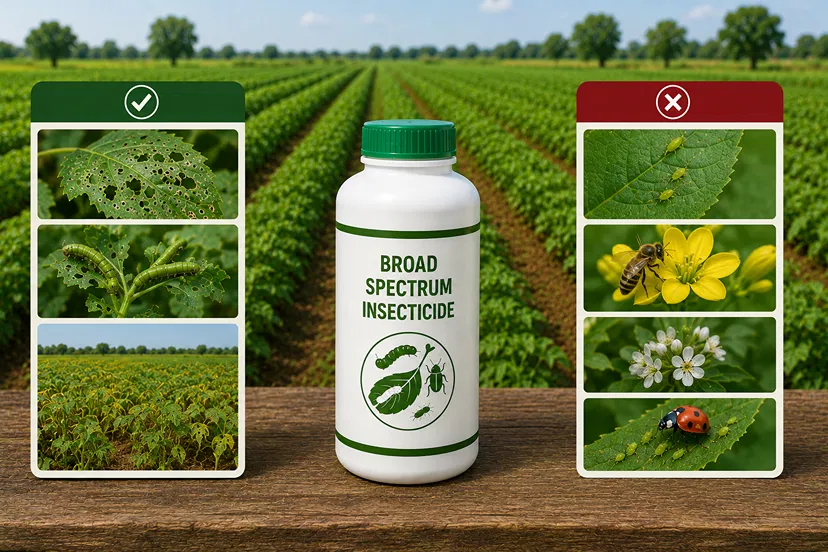
- Not selective: It can affect beneficial insects as well as pests.
- Resistance risk: Repeated use may lead to reduced effectiveness in some pest populations.
- Timing matters: It often works best when applied at the right pest life stage.
- Environmental sensitivity: Weather, sunlight, and application conditions can affect performance.
For best results, malathion should be used as part of an integrated pest management strategy rather than as the only control method.
Safety Considerations When Using Malathion
Because malathion is an organophosphate, safety is a critical part of any use decision. Always follow the label instructions for the specific product you are using, since formulations and permitted uses can vary.
Basic Safety Tips
- Read the label carefully before mixing or applying.
- Wear protective clothing such as gloves, long sleeves, and eye protection when recommended.
- Avoid inhalation and skin contact during application.
- Keep people and pets away from treated areas until it is safe to return.
- Do not apply near water unless the label specifically allows it.
- Store securely away from children, food, and feed.
If exposure occurs, seek immediate guidance from a medical professional or poison control center. Never assume a product is harmless just because it has been used for many years.
Malathion in Integrated Pest Management
Modern pest control works best when chemicals are combined with monitoring, prevention, and targeted treatment. Malathion can fit into this approach, but it should not be the only line of defense.
An integrated pest management plan may include:
- Regular scouting and pest identification
- Crop rotation or sanitation practices
- Removal of breeding sites for mosquitoes
- Use of traps or physical barriers
- Selective application of insecticides like malathion when needed
This approach reduces unnecessary spraying, slows resistance, and supports more sustainable pest control over time.
When Malathion Makes Sense
Malathion is often a practical choice when you need broad-spectrum insect control, fast results, and a product with a long record of use. It can be especially useful in large-scale agricultural settings or public health programs where rapid suppression is essential.
However, it should be chosen thoughtfully. If the pest problem is limited to one species, a more selective option may be better. If beneficial insects are active in the area, the impact of a broad-spectrum insecticide should be carefully considered.
Final Thoughts on Malathion
Malathion may be an older insecticide, but it remains an important tool in pest management. Its broad-spectrum action, quick performance, and versatility have kept it relevant for decades. At the same time, responsible use matters more than ever.
If you are considering malathion for pest control, focus on correct identification, proper timing, and strict label compliance. Used wisely, malathion can still be an effective part of a modern pest management plan.
Bottom line: Malathion is not just a legacy insecticide—it is a proven broad-spectrum solution that continues to serve agriculture, public health, and targeted pest control when applied safely and strategically.