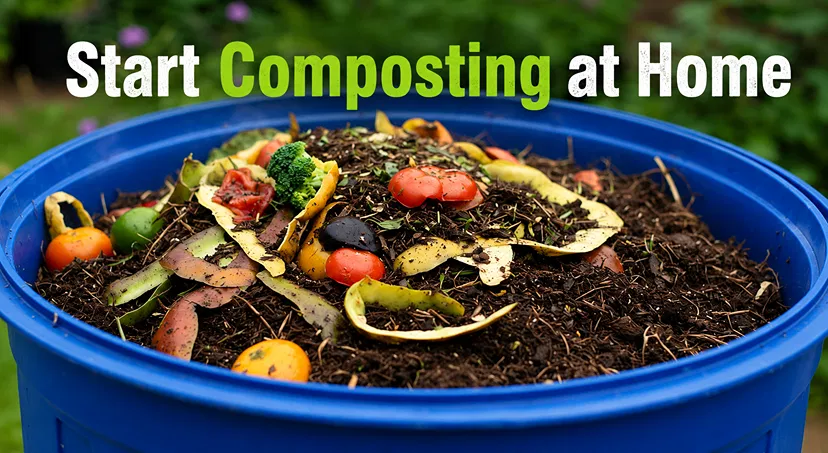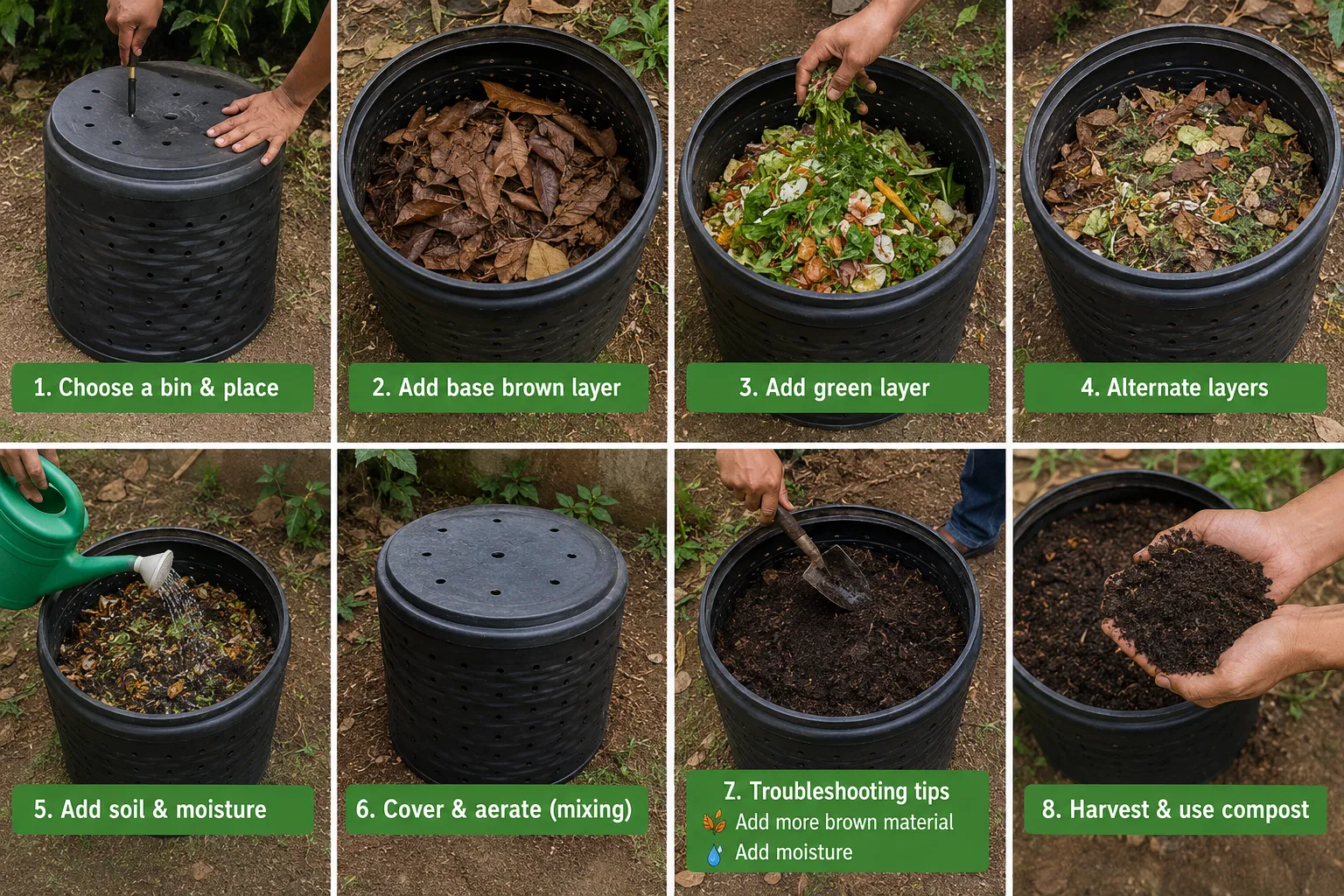
If you’ve ever wondered what to do with food scraps, yard waste, and coffee grounds, composting is one of the smartest solutions you can bring into your home. Not only does it reduce household waste, but it also creates rich, natural fertilizer that helps your plants thrive. The best part? Making compost at home is easier than most people think.
Why Composting at Home Matters
Composting is the process of turning organic waste into nutrient-rich soil. Instead of sending banana peels, eggshells, and leaves to the landfill, you can transform them into a valuable resource for your garden, patio plants, or flower beds. Home composting helps reduce waste, supports healthier soil, and can even lower your environmental footprint.
Compost is often called “black gold” for a reason: it improves soil structure, boosts moisture retention, and adds essential nutrients back into the ground.
What You Need to Start Composting
Before you begin, gather a few basic materials. You do not need expensive equipment to start composting at home. A simple setup works well for most beginners.
Composting Essentials
- Kitchen scraps: fruit and vegetable peels, coffee grounds, tea bags, and eggshells
- Brown materials: dry leaves, shredded paper, cardboard, straw, and small twigs
- Green materials: grass clippings, fresh plant trimmings, and other nitrogen-rich items
- Water: to keep the compost pile moist, but not soggy
- Air: oxygen is essential for decomposition
Step 1: Choose Your Composting Method
The first step in making compost at home is deciding where and how you want to compost. Your space, climate, and lifestyle will help determine the best method.
Popular Home Composting Options
- Outdoor compost bin: Ideal for yards and gardens
- Open compost pile: Simple and low-cost, but best for larger outdoor spaces
- Indoor compost bin: Great for apartments and small homes
- Worm composting: Also called vermicomposting, this uses worms to break down organic matter
If you have a backyard, an outdoor bin is often the easiest place to start. If you live in an apartment, a compact indoor system or worm bin can still produce excellent compost.
Step 2: Pick the Right Location
Location matters more than many beginners realize. A good compost area should be easy to access, well-drained, and convenient for adding scraps and turning the pile.
Choose a spot that is:
- Partially shaded to prevent excessive drying
- Close enough to your kitchen for daily use
- Well ventilated
- On bare soil if possible, so beneficial organisms can enter the pile
Step 3: Build the Compost Pile the Right Way
Healthy compost needs a balanced mix of green and brown materials. A good rule of thumb is to aim for more browns than greens to keep odors down and support proper breakdown.
Layering Your Compost
- Start with a layer of brown materials like dry leaves or shredded cardboard.
- Add a layer of green materials such as fruit scraps or grass clippings.
- Repeat the layers, keeping the pile balanced.
- Moisten each layer lightly as you build.
- Top with another brown layer to help control smell and pests.
The compost should feel like a damp sponge. If it is too dry, decomposition slows. If it is too wet, the pile can become smelly and compacted.
Step 4: Know What to Compost and What to Avoid
One of the biggest keys to successful composting at home is adding the right materials. Some items break down beautifully, while others can attract pests or disrupt the process.
Good Items for Compost
- Fruit and vegetable scraps
- Coffee grounds and paper filters
- Tea bags without plastic
- Eggshells
- Dry leaves
- Shredded newspaper
- Cardboard and paper towels free from chemicals
- Grass clippings in small amounts
Avoid Composting
- Meat, fish, and bones
- Dairy products
- Oily or greasy foods
- Pet waste
- Diseased plants
- Weeds with seeds
- Glossy or heavily coated paper
Step 5: Maintain the Compost Pile
Composting is not a “set it and forget it” process, but maintenance is simple. A little attention goes a long way toward producing high-quality compost.
Keep These Three Factors in Balance
- Moisture: The pile should stay damp, not soaked
- Air: Turn the pile every one to two weeks to add oxygen
- Materials: Keep adding a mix of greens and browns
If your compost smells bad, it may be too wet or have too many green materials. Add more browns and turn it to improve airflow. If it looks dry and is not breaking down, add water and more green scraps.
Step 6: Wait for the Compost to Mature
Depending on the method, weather, and materials used, compost can take anywhere from a few months to a year to fully mature. Finished compost should look dark, crumbly, and earthy, with no recognizable food scraps left behind.
You’ll know it is ready when it:
- Smells like fresh soil
- Has a rich, dark color
- Feels loose and crumbly
- No longer contains obvious bits of the original materials
Step 7: Use Your Finished Compost
Once your compost is ready, you can put it to work in your garden and around your home. Compost is a versatile soil amendment that improves plant health in many ways.
Ways to Use Compost
- Mix it into garden beds before planting
- Top-dress lawns and flower beds
- Blend it with potting soil for container plants
- Use it as mulch around trees and shrubs
- Add it to vegetable gardens for healthier harvests
Even a small amount of compost can make a noticeable difference in soil quality. Over time, regular composting can lead to stronger plants, better water retention, and less household waste.
Common Composting Mistakes to Avoid
Beginners often run into a few simple issues when starting compost at home. Avoiding these mistakes can help your pile break down faster and smell better.
- Adding too many food scraps without enough browns
- Letting the pile become too dry or too wet
- Not turning the pile often enough
- Including prohibited items like meat or dairy
- Making the compost pile too small
A pile that is too small may not generate enough heat to decompose efficiently. If possible, aim for a pile that is at least 3 feet by 3 feet for outdoor composting.
Final Thoughts on Making Compost at Home
Learning how to make compost at home is a simple habit with lasting rewards. You will cut down on waste, create nutrient-rich soil, and support a healthier garden with materials you already have on hand. Whether you choose a backyard bin, an indoor container, or a worm system, the key is to start small and stay consistent.
Begin today by saving your fruit scraps, collecting dry leaves, and building your first compost mix. With a little patience and the right balance of materials, you will soon turn everyday waste into one of the most useful resources for your home and garden.