Healthy maize crops begin long before seeds are planted. Poor germination, weak seedlings, and underdeveloped roots can reduce plant populations and limit yield potential throughout the season. That is why maize seed treatment is one of the most effective practices for improving germination, protecting seedlings, and promoting vigorous root development.
When carried out correctly, seed treatment protects maize seeds from early-season pests and diseases, supports uniform emergence, and encourages stronger root growth. In this guide, you'll learn why maize seed treatment matters, the different treatment options available, and best practices for maximizing crop establishment.
Why Maize Seed Treatment Is Important
During germination and early seedling growth, maize plants are highly vulnerable to soil-borne diseases, insect damage, moisture stress, and unfavorable soil conditions. Treating seeds before planting creates an important layer of protection during these critical early growth stages.
Benefits of proper maize seed treatment include:
- More uniform germination and emergence
- Improved early plant vigor
- Stronger root development
- Better nutrient and water uptake
- Improved stand establishment
- Higher yield potential
What Is Maize Seed Treatment?
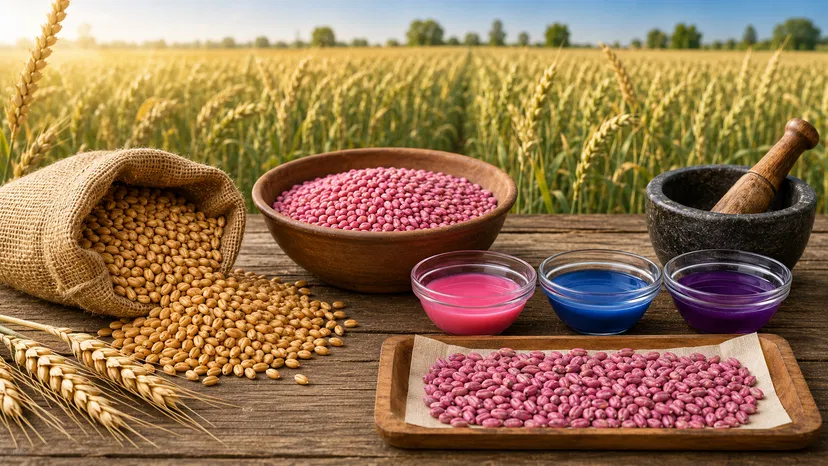
Maize seed treatment involves applying protective or growth-promoting products to seeds before planting. Depending on field conditions, these treatments may include chemical, biological, or nutritional products.
Common seed treatment categories include:
- Fungicides to protect against seed- and soil-borne fungal diseases.
- Insecticides to protect seedlings from early insect pests.
- Biological treatments containing beneficial microorganisms.
- Micronutrient and growth-promoting coatings that encourage vigorous early development.
Benefits for Germination and Root Growth
1. Faster and More Uniform Germination
Seed treatments reduce infection by soil pathogens that delay or prevent germination. More seeds emerge together, resulting in a uniform crop stand and easier crop management.
2. Stronger Root Development
Healthy roots improve water absorption, nutrient uptake, and plant anchorage. Biological treatments and certain seed coatings stimulate early root growth and improve root system development.
3. Better Stress Tolerance
Seedlings frequently experience stress from cool soils, excessive moisture, insects, and disease. Seed treatments help reduce these early-season stresses, allowing seedlings to establish more successfully.
4. Improved Stand Establishment
Higher emergence rates produce more uniform plant populations, creating the foundation for improved yield potential later in the growing season.
Types of Maize Seed Treatments
Fungicide Seed Treatments
Fungicide seed treatments protect against damping-off, seed rot, and other fungal diseases commonly encountered during germination. They are especially valuable under cool, wet planting conditions.
Insecticide Seed Treatments
Insecticide treatments protect emerging seedlings from early pests such as seedcorn maggots, wireworms, and other soil insects that attack seeds and roots.
Biological Seed Treatments
Biological products contain beneficial microorganisms that support root growth, improve nutrient availability, and enhance plant resilience during establishment.
Nutrient and Polymer Coatings
Some seed treatments include polymers, micronutrients, and plant stimulants that improve seed handling while supporting early seedling growth.
How to Treat Maize Seed Correctly
- Select treatments based on field history and anticipated pest or disease pressure.
- Begin with high-quality seed that has strong germination potential.
- Apply products according to the recommended application rate.
- Ensure uniform seed coverage.
- Allow treated seed to dry if required before storage.
- Store treated seed in cool, dry conditions until planting.
Tip: Always confirm compatibility before combining multiple seed treatment products.
Best Practices for Strong Germination and Root Growth
Plant Under Suitable Soil Conditions
Warm, well-drained soils encourage rapid germination and reduce disease risk. Cold or waterlogged soils delay emergence and increase seedling losses.
Use High-Quality Seed
Even the best treatment cannot compensate for poor-quality or damaged seed. Start with certified, high-vigor seed whenever possible.
Apply Balanced Crop Nutrition
Early root development also depends on adequate nutrition. Applying appropriate fertilizers according to soil test recommendations supports vigorous seedling establishment.
Maintain Proper Planting Depth
Correct planting depth promotes uniform emergence while allowing roots to establish properly.
Handle Treated Seed Carefully
Avoid mechanical damage during transport, storage, and planting, as damaged seeds often exhibit lower vigor and poorer emergence.
Common Mistakes to Avoid
- Choosing treatments that do not match field conditions.
- Applying incorrect treatment rates.
- Ignoring product label instructions.
- Treating damaged or poor-quality seed.
- Planting into excessively cold or saturated soils.
- Improper storage of treated seed.
When Is Seed Treatment Most Beneficial?
Seed treatment provides the greatest value when fields have a history of seedling diseases, insect pressure, no-till systems, high crop residue, or cool planting conditions.
Under stressful establishment conditions, preventative seed treatment often produces healthier stands and stronger early growth.
Integrated Crop Establishment
Seed treatment works best as part of a complete crop protection program that combines quality seed, balanced nutrition, proper planting practices, and regular field monitoring.
Conclusion
Maize seed treatment is one of the simplest and most effective investments farmers can make before planting. Protecting seeds against early diseases and insect damage while promoting vigorous root growth helps establish stronger, more uniform crops from the very beginning.
When combined with good agronomic practices, quality seed, and proper nutrition, maize seed treatment improves germination, enhances root development, and lays the foundation for higher yields at harvest.