Once considered a niche crop grown in select wetlands, lotus seed farming, commonly known as makhana cultivation, is now gaining attention as a high-value agricultural opportunity. Packed with nutrition, backed by rising consumer demand, and supported by improving market access, makhana is becoming one of the most promising crops for farmers looking to diversify income and tap into a fast-growing health food market.
From traditional pond-based harvesting to more organized commercial farming methods, the lotus seed industry is evolving quickly. For farmers, agri-entrepreneurs, and investors, this crop offers a unique mix of low acreage requirement, strong demand, and attractive profit potential. If you are exploring a crop with future growth, lotus seed farming deserves serious attention.
What Is Lotus Seed Farming?
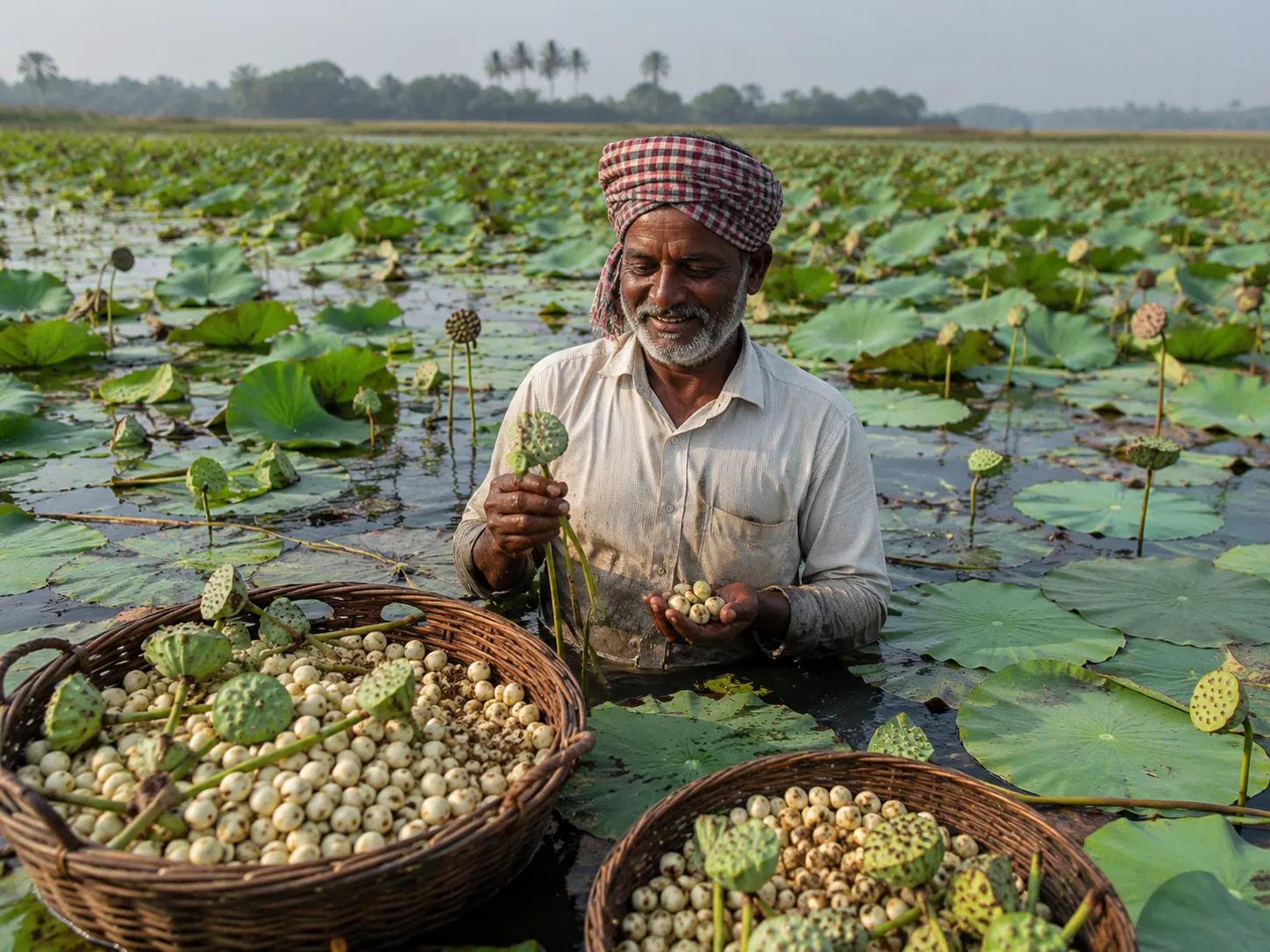
Lotus seed farming refers to the cultivation and harvesting of seeds from the aquatic lotus plant, especially the species used to produce makhana or fox nuts. These seeds are typically collected from ponds, wetlands, and water bodies where the lotus plant thrives naturally. After harvesting, the seeds are processed, roasted, and sold as a popular snack and health food.
Makhana has long been used in traditional diets and Ayurvedic practices, but its popularity has surged in recent years due to changing food preferences. Today, it is recognized as a gluten-free, low-fat, protein-rich superfood with strong demand in domestic and international markets.
Why Lotus Seed Farming Is an Emerging Opportunity
The rise of health-conscious consumers has created a strong market for nutritious, plant-based snacks. Lotus seeds fit perfectly into this trend. They are light, crunchy, versatile, and easy to market as a premium wellness product.
Here are a few reasons why makhana farming is becoming increasingly attractive:
- High market demand: Makhana is used in snacks, sweets, and health foods.
- Good profitability: Processed seeds often sell at much higher prices than many traditional crops.
- Low land requirement: Farmers can grow it in ponds and wetland areas not suitable for conventional crops.
- Rising exports: International interest in healthy snack foods is expanding the market.
- Government support: In many regions, there are initiatives encouraging aquaculture and value-added crop production.
As more consumers seek clean-label and natural food products, lotus seed farming is moving from a local crop to a commercial agribusiness opportunity.
Ideal Climate and Growing Conditions
Lotus seed farming requires the right environmental conditions to succeed. The crop grows best in shallow water bodies with warm temperatures and plenty of sunlight. Since lotus is an aquatic plant, access to ponds, lakes, or managed wetland systems is essential.
Key conditions for cultivation include:
- Temperature: Warm tropical or subtropical climate
- Water depth: Shallow to moderate water levels
- Soil: Rich, muddy bottom with good organic matter
- Sunlight: Full sunlight for healthy plant growth
- Water quality: Clean, still, or slow-moving water
Regions with natural wetlands and pond systems are especially suitable for makhana farming. However, with proper water management, it can also be cultivated in controlled farm ponds.
How Lotus Seed Farming Works
The cultivation process involves careful management from planting to harvest. While traditional methods still dominate in some areas, modern techniques are making production more efficient and scalable.
1. Site preparation
The pond or wetland area is cleaned and prepared to ensure suitable water and soil conditions. Organic manure may be added to improve fertility.
2. Seed sowing
Lotus seeds or tubers are introduced into the water body during the suitable planting season. Proper spacing helps the plants spread and develop well.
3. Plant growth
The lotus plant develops floating leaves and flowers. Over time, seed pods form and mature underwater or near the surface, depending on the variety and environment.
4. Harvesting
Harvesting is labor-intensive and usually done by hand. Mature seed pods are collected carefully from the water, often requiring skilled workers.
5. Processing
After collection, seeds are cleaned, dried, roasted, and popped to create the final makhana product. Processing adds significant value and directly affects market price.
Investment and Profit Potential
One of the biggest attractions of lotus seed farming is its profit potential. Although initial setup, water management, and processing may require investment, the return can be strong when managed properly.
The value chain is important here. Raw lotus seed and processed makhana have very different market prices. Farmers who move into processing or partner with processing units can earn much better margins.
In makhana farming, value addition is often the difference between average income and excellent profitability.
Factors that influence profitability include:
- Scale of cultivation
- Yield per hectare or pond area
- Labor availability
- Processing efficiency
- Market access and branding
Because demand is increasing and supply remains limited in many areas, farmers entering the business early may benefit from better pricing and stronger buyer interest.
Market Demand and Business Scope
The market for makhana has expanded rapidly due to its reputation as a healthy snack. It is now sold in supermarkets, online stores, health food shops, and export markets. Beyond direct snacking, it is also used in:
- Traditional Indian sweets
- Trail mixes and snack packs
- Diet and fitness foods
- Festival and fasting foods
- Premium gift hampers
Branding plays a major role in market success. Clean packaging, quality grading, and storytelling around natural farming can significantly raise product value. Farmers and agri-businesses that invest in branding can move beyond commodity sales and build sustainable businesses.
Challenges in Lotus Seed Farming
Despite its promise, makhana farming is not without challenges. New farmers should understand the risks and prepare accordingly.
Main challenges include:
- Labor-intensive harvesting: Collection from water bodies requires skilled labor.
- Processing complexity: Roasting and popping need experience and care.
- Seasonal dependence: Production is influenced by climate and water availability.
- Pest and water management: Poor water quality can reduce yields.
- Market fluctuations: Prices may vary based on supply, quality, and demand.
These challenges can be managed through training, better farm planning, access to processing technology, and market linkage support.
Tips for Farmers Starting Makhana Cultivation
If you are considering lotus seed farming, a thoughtful start can make a big difference. Focus on learning the crop, understanding your land or water resources, and building market connections before scaling up.
- Choose the right location: Start only where water and climate conditions are favorable.
- Learn from experienced growers: Practical knowledge matters in aquatic farming.
- Plan for processing: Raw production alone may not maximize earnings.
- Maintain water quality: Healthy water leads to healthier plants and better yields.
- Explore buyer networks early: Secure demand before harvest to avoid distress sales.
Even small-scale growers can build a profitable model if they focus on quality and efficient post-harvest handling.
The Future of Lotus Seed Farming
The future of lotus seed farming looks promising. As consumer demand for nutritious and natural foods continues to rise, makhana is likely to gain even more visibility in both domestic and global markets. With proper support in cultivation, processing, branding, and distribution, this crop can become a major rural income generator.
Technology, training, and entrepreneurial thinking are expected to play a bigger role in the years ahead. Farmers who adopt better farming practices and move into value addition will be best positioned to benefit from this growing market.
Conclusion
Lotus seed farming is more than a traditional wetland crop; it is an emerging agricultural opportunity with strong commercial potential. Backed by rising health food demand, flexible cultivation possibilities, and excellent value-added product prospects, makhana offers farmers a chance to diversify income and enter a high-value market.
If you are looking for a crop that combines nutrition, sustainability, and profitability, lotus seed farming is worth exploring. Start with the right conditions, build knowledge, and focus on quality—because in this business, the future belongs to those who grow smart and market well.