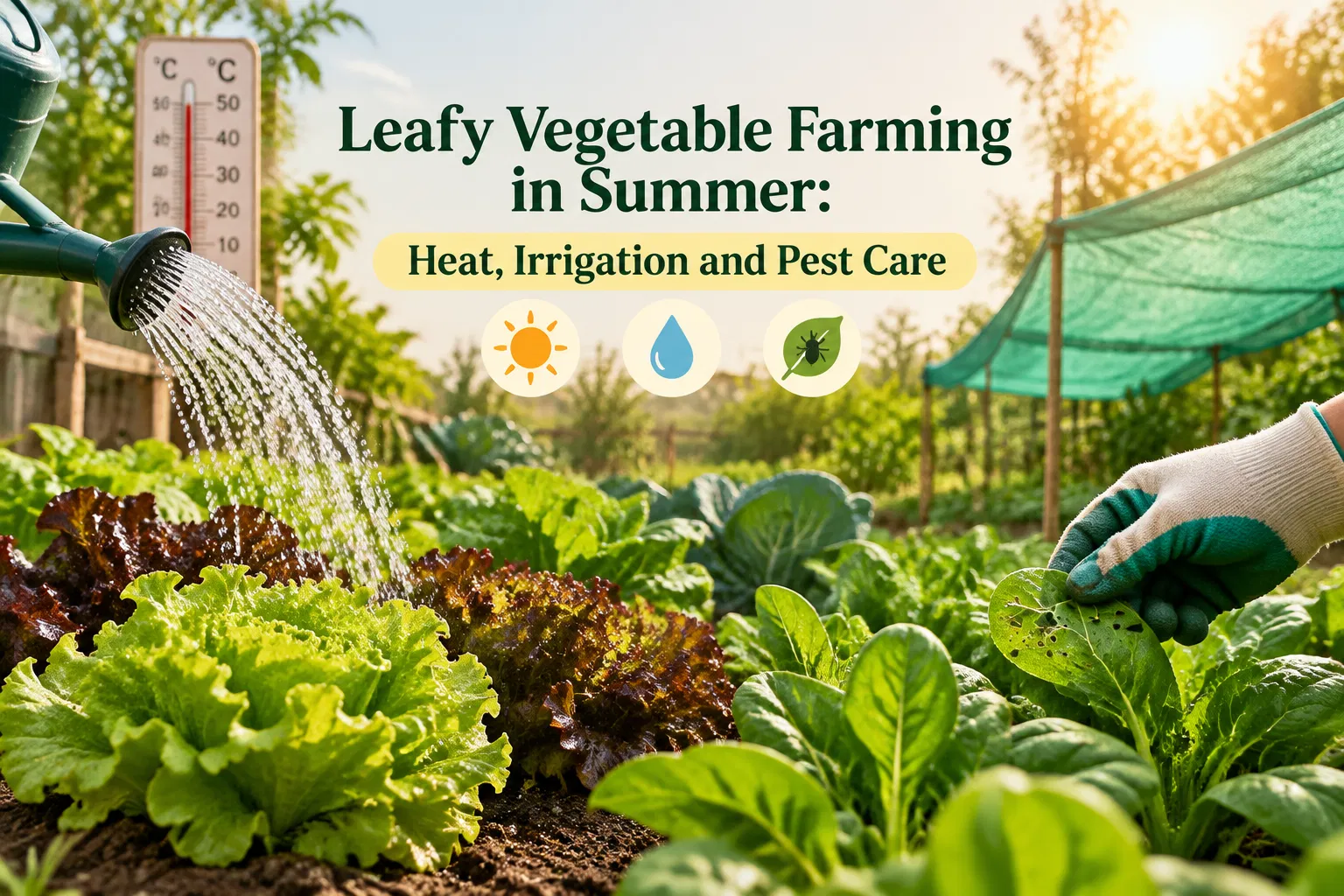
Leafy vegetables like spinach, amaranth, and coriander are fast-growing and high-value, but summer heat pushes them toward early bolting, tip burn, and heavier pest pressure all at once. Managing these three factors together — not in isolation — is what keeps a summer leafy crop marketable.
How Heat Affects Leafy Vegetables
Most leafy greens are cool-season crops by nature, and high temperatures accelerate their shift from vegetative growth to flowering — a process called bolting. Once a plant bolts, leaf quality drops sharply: leaves turn bitter, get tougher, and growth redirects toward the flower stalk instead of usable foliage. Heat also increases water loss through transpiration, which is why summer-grown leafy crops need more frequent, carefully managed irrigation than the same crop grown in cooler months.
Managing Bolting
- Choose heat-tolerant or slow-bolting varieties where available, especially for amaranth and coriander, which bolt faster than spinach under heat stress.
- Shorten the crop cycle by harvesting earlier and more frequently rather than letting leaves mature fully, since delayed harvest gives heat more time to trigger bolting.
- Provide partial shade using a 30–50% shade net during the hottest part of the day, which lowers canopy temperature and slows the heat-triggered shift to flowering.
- Time sowing carefully to avoid peak summer where possible, or accept a shorter harvest window and plan succession sowing accordingly.
Irrigation: Getting the Balance Right
Leafy vegetables have shallow root systems, which makes them especially sensitive to both underwatering and waterlogging during summer. Key principles:
- Water more frequently, not necessarily more per session — light, frequent irrigation keeps the shallow root zone consistently moist without waterlogging.
- Irrigate early morning or evening to reduce evaporation losses and avoid leaf scorch from water droplets acting as lenses under strong midday sun.
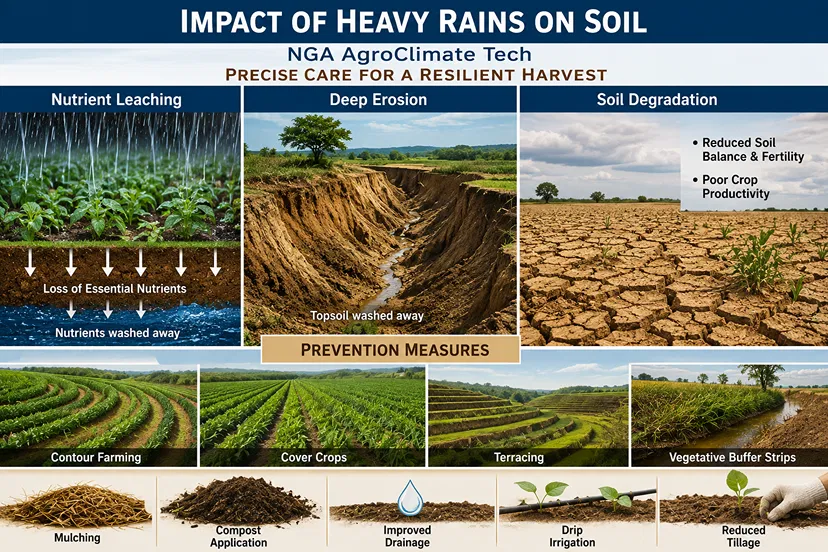
- Use mulch to reduce soil moisture loss between irrigation cycles and moderate root-zone temperature — a mulching sheet is particularly effective for row-planted leafy crops.
- Consider drip irrigation over flood or sprinkler methods for more consistent, efficient water delivery — a properly set up irrigation kit reduces both water waste and the risk of foliar disease from wet leaves.
Tip Burn and Calcium Deficiency
Tip burn — browning and death of leaf margins, especially in fast-growing crops like lettuce and some amaranth varieties — is a calcium-related physiological disorder that gets worse under heat stress. It isn't caused by a lack of calcium in the soil so much as the plant's inability to move calcium fast enough to rapidly expanding leaf tissue when transpiration and growth rates spike in hot weather. Maintaining even soil moisture (avoiding the stress cycles that worsen calcium transport issues) and a foliar calcium application during active growth can help reduce its severity.
Common Summer Pests on Leafy Vegetables
Aphids
Aphid populations build quickly in warm, dry conditions, clustering on the undersides of young leaves and new growth, where they feed on sap and excrete honeydew that can lead to sooty mold. Heavy infestations distort leaf growth and reduce marketability.
Thrips
Thrips cause silvery streaking and stippling on leaves by rasping the surface to feed, and populations tend to spike in hot, dry weather — exactly the conditions summer leafy crops are grown in.
Leaf Miners
Leaf miner larvae tunnel between leaf surfaces, creating visible winding trails that make affected leaves unsellable even when the rest of the plant is healthy.
Managing Summer Pests
Because leafy vegetables have very short harvest intervals and minimal pre-harvest waiting periods for many inputs, growers generally favor low-residue, fast-acting options. A neem oil-based biopesticide is commonly used against aphids and thrips on leafy crops, since it disrupts pest feeding and development while carrying a shorter re-entry consideration than many synthetic options — always check the specific product label for the crop-specific pre-harvest interval before spraying. Regular monitoring of the undersides of leaves, especially on new growth, allows intervention before populations build to damaging levels.
Frequently Asked Questions
Why do leafy vegetables bolt faster in summer?
High temperatures trigger a physiological shift from vegetative growth to flowering, redirecting the plant's energy away from leaf production.
How often should leafy vegetables be watered in summer?
More frequently than in cooler months, with light, consistent irrigation rather than infrequent heavy watering, since their shallow roots dry out quickly in heat.
Is tip burn caused by a lack of calcium in the soil?
Not usually — it's more often a calcium transport issue during rapid, heat-driven leaf growth rather than a true soil deficiency.
Disclaimer: General agronomic guidance; specific variety tolerance, irrigation needs, and pest pressure vary by region and season. Always follow product label instructions, including pre-harvest intervals, before applying any input to edible leafy crops.