Few weed killers have sparked as much debate as Roundup. For years, homeowners, gardeners, and farmers have used it to control unwanted plants quickly and effectively. But growing concerns about glyphosate, the key ingredient in Roundup, have raised an important question: is Roundup safe?
The answer is not as simple as yes or no. Safety depends on how it is used, how much exposure occurs, and what scientific studies you trust. In this article, we'll break down the glyphosate debate, review the main health concerns, and help you understand what the current evidence really says.
What Is Roundup?
Roundup is a widely used herbicide designed to kill weeds and grasses. Its active ingredient is glyphosate, a chemical that works by blocking a plant enzyme needed for growth. Because humans and animals do not have that enzyme in the same way plants do, glyphosate was long considered relatively low-risk when used properly.
Roundup products are used in agriculture, landscaping, and residential settings. However, the debate over its safety has intensified because repeated exposure, especially in occupational settings, may carry different risks than occasional home use.
Why Is Glyphosate Controversial?
The controversy around glyphosate centers on two big questions: Does it cause cancer? and How much exposure is too much?
Some research has suggested a possible link between glyphosate and certain cancers, particularly non-Hodgkin lymphoma. Other major scientific and regulatory reviews have concluded that glyphosate is unlikely to pose a cancer risk at normal exposure levels. This difference in interpretation is one reason the debate continues.
Glyphosate safety depends heavily on dose, frequency of exposure, and the type of product used.
Another point of concern is that commercial herbicide formulas may contain additional ingredients beyond glyphosate. These so-called inert ingredients can affect how the product behaves and may influence overall toxicity.
What Does the Science Say?
The scientific evidence on glyphosate is complex, and different organizations have reached different conclusions.
Studies Raising Concerns
Some observational studies have found an association between long-term, high-exposure glyphosate use and certain cancers. These studies often focus on farmers, applicators, and people with regular occupational contact.
In 2015, the International Agency for Research on Cancer (IARC), part of the World Health Organization, classified glyphosate as "probably carcinogenic to humans." This classification does not mean glyphosate definitely causes cancer, but rather that there was limited evidence in humans and sufficient evidence in animals to raise concern.
Studies Finding Lower Risk
Other agencies, including the U.S. Environmental Protection Agency (EPA), have concluded that glyphosate is not likely to be carcinogenic to humans when used according to label directions. Similar conclusions have been reached by regulators in several other countries.
These reviews often rely on larger datasets, exposure assessments, and toxicology studies that consider how glyphosate behaves in real-world conditions.
Why the Differences?
Part of the disagreement comes from methodology. Some groups focus more on hazard identification, meaning whether a substance can cause harm under any circumstances. Others evaluate risk, meaning whether it is likely to cause harm at typical exposure levels.
That distinction matters. A substance can be hazardous in theory but still pose low risk in everyday use if exposure is minimal.
Who May Be at Higher Risk?
Not everyone faces the same potential risk from Roundup exposure. People who may be more vulnerable include:
- Farm workers who handle herbicides regularly
- Landscape professionals who apply weed killers frequently
- People mixing or spraying concentrated products
- Individuals who do not use protective gear
- Children and pets exposed to freshly treated areas
For occasional homeowners who follow the label carefully, the risk is generally considered lower than for workers who have repeated occupational exposure. Still, careful handling is important for everyone.
Potential Health Concerns Linked to Roundup
When people ask whether Roundup is safe, they are usually concerned about a few specific health issues.
Cancer
The most discussed issue is a possible association with non-Hodgkin lymphoma. Some studies suggest an increased risk among heavily exposed users, while others do not find a strong causal connection. Because the evidence is mixed, this remains the most debated topic.
Skin and Eye Irritation
Direct contact with Roundup can cause irritation, redness, or discomfort, especially if sprayed on the skin or into the eyes. This is why gloves, long sleeves, and eye protection are recommended during application.
Respiratory Exposure
Breathing in spray mist may irritate the nose, throat, or lungs. This is more likely when products are sprayed in enclosed or windy conditions or when users do not follow safety instructions.
Environmental Impact
Glyphosate concerns are not limited to human health. Environmental questions include effects on soil health, water contamination, and biodiversity. Some researchers worry that widespread herbicide use may affect beneficial plants and insects indirectly by reducing plant diversity.
How to Use Roundup More Safely
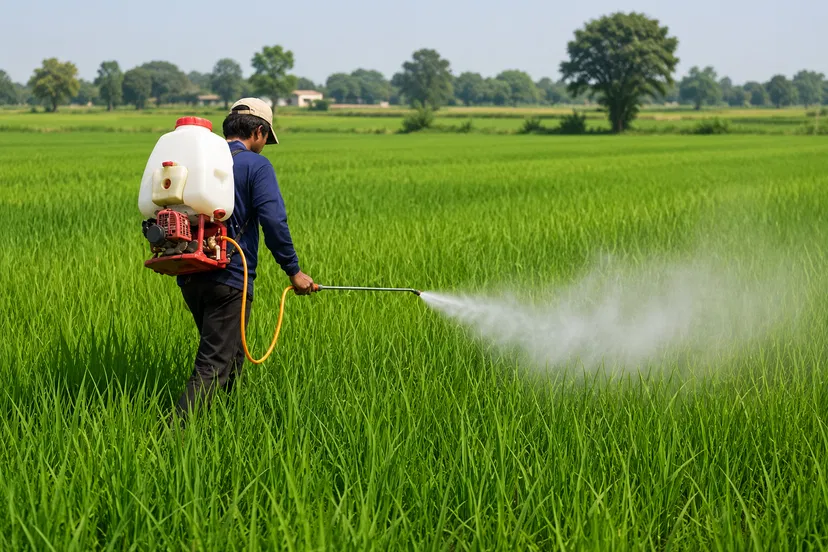
If you choose to use Roundup, reducing exposure is key. Following label instructions and using protective practices can significantly lower risk.
- Wear protective clothing such as gloves, long sleeves, pants, and closed-toe shoes.
- Avoid spraying on windy days to reduce drift onto yourself, others, or nearby plants.
- Keep children and pets away from treated areas until the product has dried or the label says it is safe.
- Do not mix or apply more than recommended; more is not better.
- Wash hands and exposed skin thoroughly after use.
- Store products securely away from food, animals, and children.
These basic precautions are especially important for people who use herbicides repeatedly throughout the year.
Are There Safer Alternatives to Roundup?
For many gardeners and homeowners, alternatives exist. The best choice depends on the size of the problem and how often weed control is needed.
- Manual removal with hand-pulling or tools
- Mulching to block sunlight and reduce weed growth
- Boiling water for weeds in cracks or small areas
- Vinegar-based products for light surface weeds
- Organic herbicides approved for home use
While these alternatives may be less effective for large infestations, they can reduce reliance on chemical herbicides in smaller gardens and residential spaces.
The Bottom Line: Is Roundup Safe?
Roundup safety depends on exposure level, frequency of use, and how carefully the product is handled. For the general public, occasional use according to label directions is considered lower risk by many regulators. However, concerns remain about long-term occupational exposure and possible links to cancer, especially among heavy users.
If you use Roundup, the smartest approach is to treat it with respect: follow the label, wear protective gear, and avoid unnecessary exposure. If you are uncomfortable with the uncertainty surrounding glyphosate, consider non-chemical weed control methods or speak with a licensed pest or landscape professional.
Final insight: the glyphosate debate is unlikely to disappear anytime soon, but informed use, careful precautions, and awareness of alternatives can help you make the safest choice for your home, family, and environment.