When pests show up, the first instinct is often to spray, treat, and repeat. But that quick fix can become expensive fast, and it may do more harm than good. Integrated Pest Management (IPM) offers a smarter approach: one that reduces costs, limits chemical use, and protects the environment while still keeping pests under control.
IPM is not about eliminating every insect or rodent on sight. It is about understanding pest behavior, preventing problems before they start, and using targeted solutions only when necessary. For homeowners, farmers, schools, and businesses, that means fewer wasted resources, better long-term results, and a healthier surrounding ecosystem.
What Is Integrated Pest Management?
Integrated Pest Management is a science-based pest control strategy that combines monitoring, prevention, and control methods to manage pests effectively with minimal environmental impact. Instead of relying only on pesticides, IPM uses a mix of practical steps such as sanitation, exclusion, habitat modification, biological controls, and careful intervention.
The goal is simple: keep pest populations below levels that cause damage or health risks. This approach works because it focuses on the root cause of infestations, not just the visible symptoms.
How IPM Saves Money
1. It Reduces Unnecessary Chemical Treatments
Traditional pest control often involves routine spraying, whether or not pests are actually present. Over time, those repeated treatments can add up quickly. IPM helps reduce these costs by using pest monitoring to confirm whether action is needed in the first place.
By treating only when thresholds are reached, property owners avoid spending money on unnecessary applications and reduce labor costs associated with over-treatment.
2. It Prevents Costly Damage
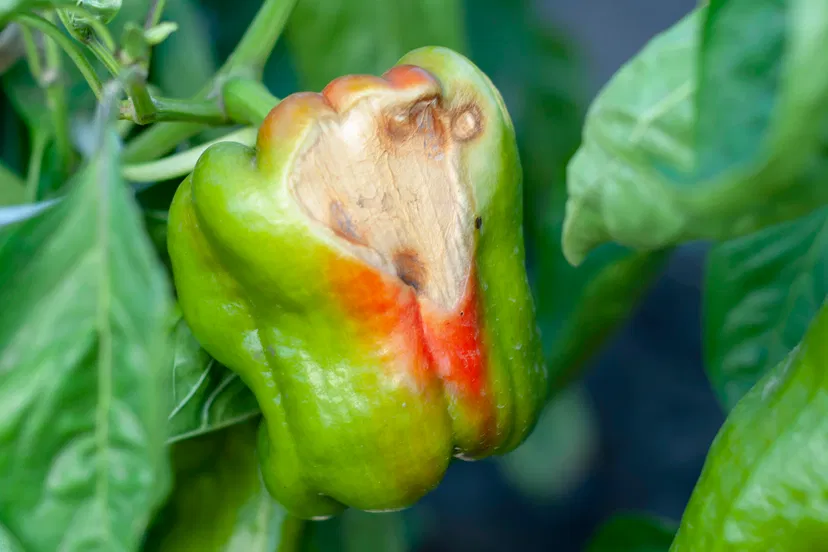
Pests can cause serious damage to crops, structures, stored goods, and landscaping. Termites weaken wood. Rodents chew wires and insulation. Insects damage plants and reduce yields. IPM lowers these risks by catching problems early and addressing conditions that attract pests.
Preventive measures such as sealing entry points, removing food sources, and improving drainage are often far cheaper than repairing major damage later.
3. It Improves Long-Term Pest Control
Short-term treatments may provide temporary relief, but pests often return if the underlying conditions remain unchanged. IPM focuses on long-term control by making the environment less favorable to pests.
This means fewer repeat service calls, fewer emergency treatments, and more stable results over time. In many cases, the initial investment in prevention pays for itself through reduced future expenses.
4. It Reduces Product Resistance
Overusing pesticides can lead pests to develop resistance, making treatments less effective and forcing stronger, more expensive products to be used later. IPM helps slow resistance by applying chemicals only when necessary and rotating control methods.
This preserves the effectiveness of pest control products and helps avoid the rising costs associated with failed treatments.
5. It Lowers Costs for Businesses and Farms
For commercial operations, pest issues can lead to lost inventory, reduced crop quality, customer complaints, and regulatory trouble. IPM helps protect profits by reducing these risks through monitoring and precise intervention.
Farmers, in particular, benefit from IPM because healthier crops and fewer chemical inputs can mean stronger margins and more predictable outcomes.
How IPM Protects the Environment
1. It Reduces Chemical Exposure
One of the biggest environmental benefits of IPM is the reduction in pesticide use. Fewer chemicals in the environment means less risk to beneficial insects, soil organisms, birds, pollinators, and waterways.
When pesticides are used, IPM emphasizes targeted application so that the impact is limited to the specific pest problem instead of affecting the broader ecosystem.
2. It Protects Pollinators and Beneficial Species
Bees, ladybugs, parasitic wasps, and other helpful organisms play an important role in healthy ecosystems and agriculture. Broad-spectrum pesticide use can harm these allies along with the pests.
IPM supports beneficial species by choosing control methods that preserve natural predators whenever possible. This creates a more balanced and resilient environment.
3. It Helps Prevent Water and Soil Contamination
When pesticides are overused or misapplied, they can run off into storm drains, streams, rivers, and groundwater. They can also disrupt soil health by affecting microorganisms that support plant growth.
Because IPM relies on prevention and precision, it significantly reduces the chance of chemical contamination and supports healthier soil and water systems.
4. It Encourages Sustainable Practices
IPM aligns with sustainability because it emphasizes long-term problem-solving rather than quick chemical fixes. Practices like crop rotation, mulching, pruning, sanitation, and habitat management help maintain a healthy balance without excessive environmental cost.
These methods support biodiversity and reduce dependence on synthetic inputs, making IPM a practical choice for environmentally conscious households and organizations.
5. It Supports Smarter Resource Use
Using fewer pesticides is not just better for the environment; it also means fewer packaging materials, less fuel for repeated applications, and lower overall resource consumption. IPM encourages efficiency at every step, which is beneficial on both a local and global level.
Key IPM Strategies That Deliver Results
Integrated Pest Management works best when several strategies are combined. Here are the core practices that make it effective:
- Monitoring: Regularly checking for pest activity, damage, and population levels.
- Identification: Correctly identifying the pest so the right solution can be used.
- Prevention: Reducing access to food, water, shelter, and entry points.
- Thresholds: Deciding when action is necessary based on pest levels and risk.
- Control: Using mechanical, biological, cultural, or chemical methods as needed.
- Evaluation: Reviewing results and adjusting the plan for better future outcomes.
Examples of IPM in Action
In Homes
Homeowners can use IPM by sealing cracks, storing food properly, fixing leaks, and keeping kitchens clean. If ants or cockroaches appear, a targeted treatment may be used only after identifying the source and extent of the infestation.
In Agriculture
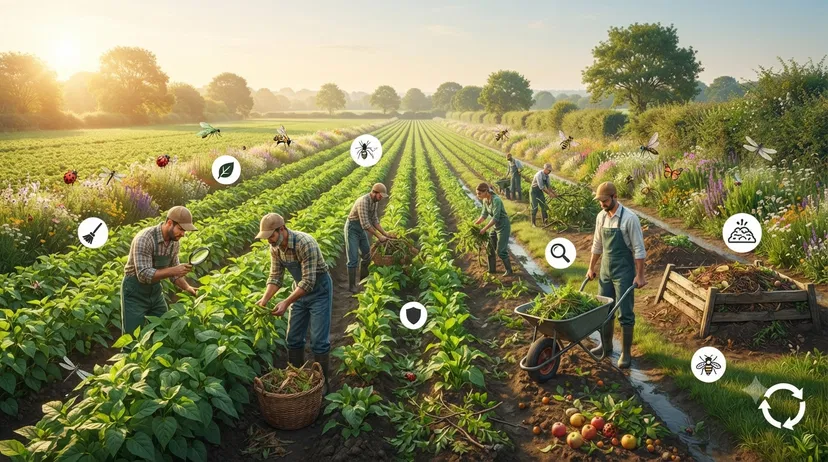
Farmers may rotate crops, plant resistant varieties, introduce beneficial insects, and monitor fields before deciding whether spraying is needed. This approach can reduce pesticide use while protecting yields.
In Schools and Offices
Facilities managers can use IPM to prevent rodents and insects by improving sanitation, storing waste correctly, and keeping maintenance issues under control. This creates a healthier indoor environment for students, staff, and visitors.
Why IPM Is the Smarter Long-Term Choice
Integrated Pest Management is more than a pest control method. It is a smarter strategy for protecting property, lowering expenses, and preserving the natural systems we rely on every day. By focusing on prevention and precision, IPM helps avoid the hidden costs of overusing pesticides and reduces unnecessary environmental damage.
IPM proves that effective pest control does not have to come at the expense of the planet or your budget.
Final Thoughts
If you want pest control that works today and continues to pay off tomorrow, Integrated Pest Management is the answer. It saves money by reducing waste, preventing damage, and improving long-term results. It protects the environment by limiting chemical exposure, supporting beneficial species, and encouraging sustainable practices.
Whether you manage a home, farm, business, or public facility, choosing IPM is a practical step toward better pest control and a healthier future. Start with prevention, monitor carefully, and use targeted solutions only when needed. That is how IPM delivers real value for both your wallet and the world around you.
"