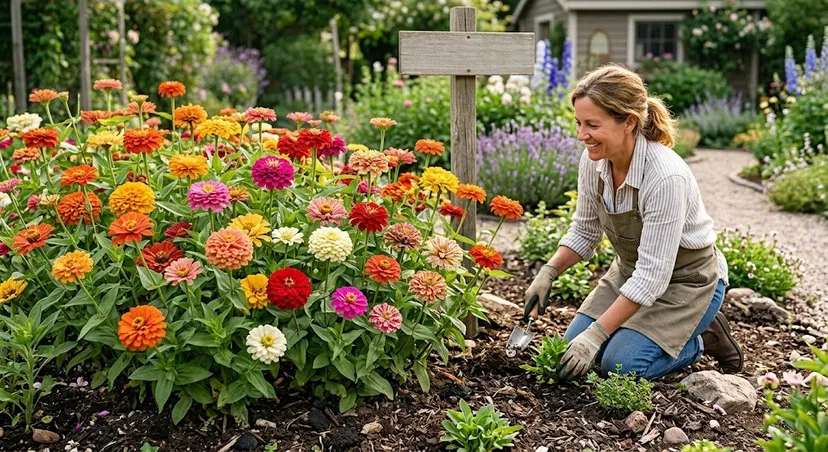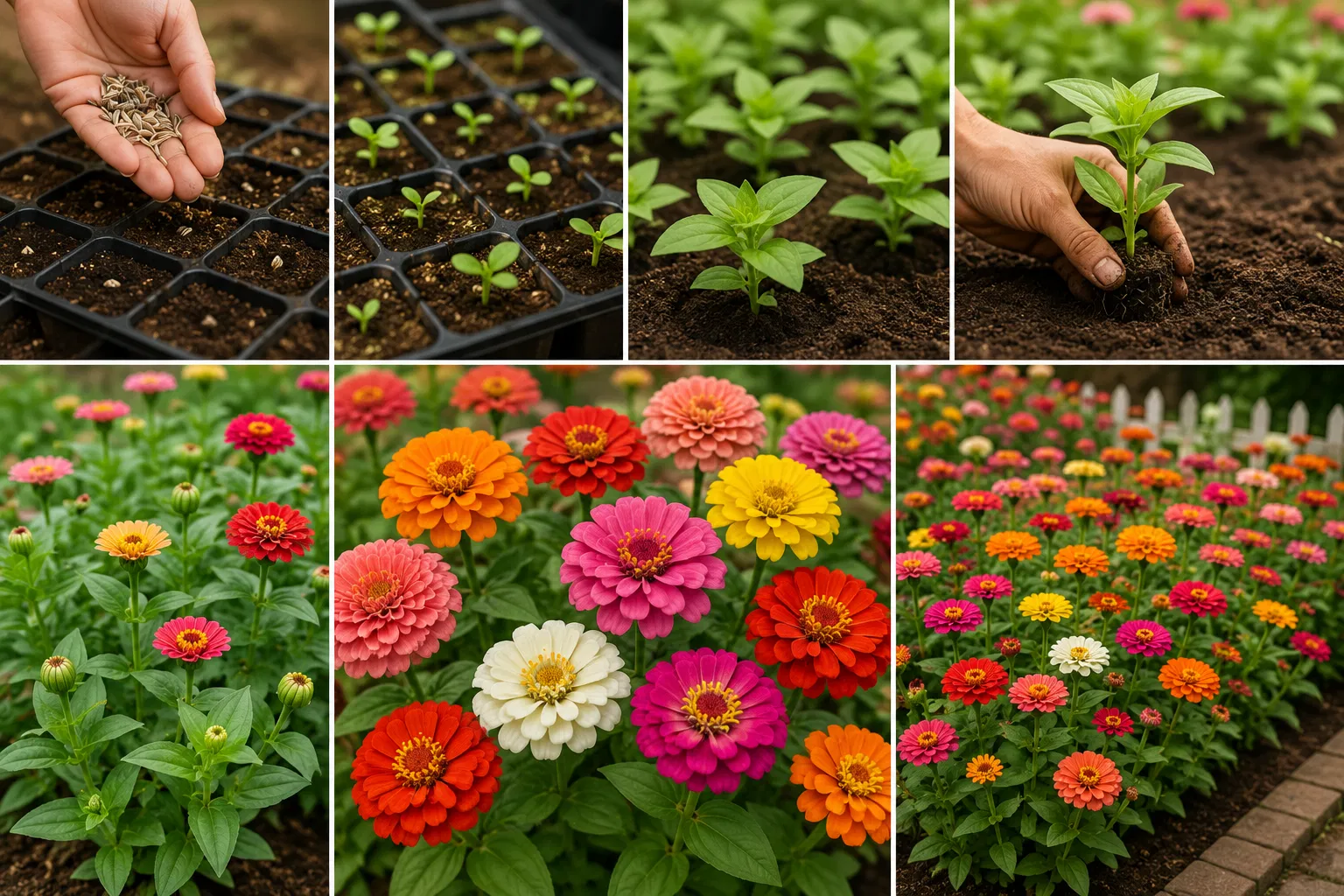
If you want a flower that delivers fast growth, bold color, and long-lasting blooms, zinnias are hard to beat. Growing zinnia from seed is one of the easiest and most rewarding ways to fill your garden with vibrant color. Whether you're planting in flower beds, borders, or containers, zinnias germinate quickly, thrive in warm weather, and bloom generously all season long.
Best of all, zinnias are beginner-friendly. With the right timing, a sunny spot, and a little care, you can enjoy a stunning display of flowers from summer through the first frost. Here's everything you need to know about growing zinnia from seed successfully.
Why Grow Zinnia from Seed?
Zinnias are popular for a reason. They are colorful, easy to grow, and incredibly productive. Starting zinnias from seed gives you more variety and often a better value than buying transplants.
- Fast-growing: Zinnia seeds sprout quickly, often in just a few days.
- Long bloom season: Once they start flowering, they keep going for months.
- Wide color range: You can find zinnias in red, pink, orange, yellow, white, purple, and bicolor shades.
- Pollinator-friendly: Bees, butterflies, and beneficial insects love zinnias.
- Great for cutting: Their sturdy stems and bright blooms make excellent bouquets.
Best Time to Plant Zinnia Seeds
Timing matters when growing zinnia from seed. Zinnias are warm-season annuals, which means they do best when the soil has warmed up and frost is no longer a threat.
Direct sow outdoors after the last frost date when the soil temperature reaches at least 70°F. Zinnia seeds germinate best in warm soil and may rot if planted too early in cold, wet ground.
If you want an earlier start, you can begin seeds indoors about 4 to 6 weeks before your last frost date. Just remember that zinnias do not like having their roots disturbed, so transplanting should be done carefully.
Choosing the Right Zinnia Variety
One of the joys of growing zinnias is choosing from many different types. The variety you select will affect plant height, bloom shape, and how you use them in your garden.
Popular zinnia types include:
- Zinnia elegans: Tall, classic zinnias with large blooms, ideal for cutting gardens.
- Profusion zinnias: Compact, disease-resistant plants perfect for borders and containers.
- Thumbelina zinnias: Dwarf varieties with smaller flowers and a neat growth habit.
- State Fair zinnias: Large, showy flowers on tall stems for dramatic garden color.
If you're planting in a small space, compact varieties are a smart choice. For bouquets and cutting gardens, taller zinnias usually perform best.
How to Plant Zinnia Seeds
Growing zinnia from seed is simple, but a few planting basics will help you get better germination and stronger plants.
- Pick a sunny location: Zinnias need full sun, at least 6 to 8 hours a day.
- Prepare the soil: Use well-draining soil that is loose and moderately fertile.
- Sow seeds shallowly: Plant seeds about 1/4 inch deep.
- Water gently: Keep the soil moist but not soggy until the seeds sprout.
- Thin seedlings: Once sprouts appear, thin them so plants have room to grow.
Space zinnia plants according to their mature size. Smaller varieties may need only 6 to 8 inches between plants, while larger types may need 12 to 18 inches or more. Proper spacing improves air circulation and helps prevent disease.
Growing Zinnias in Containers
Zinnias grow beautifully in pots, making them a great option for patios, balconies, and small gardens. When planting zinnias in containers, choose a pot with drainage holes and use a high-quality potting mix.
Compact zinnia varieties work best for containers because they stay neat and manageable. Make sure the pot is large enough to support root growth and water more often than you would in the ground, since containers dry out faster.
Watering and Feeding Zinnia Plants
Zinnias are fairly low-maintenance, but consistent care will help them produce more flowers. Water deeply at the base of the plant when the top inch of soil feels dry. Avoid overhead watering if possible, since wet foliage can encourage fungal problems.
When it comes to fertilizer, less is often more. Too much nitrogen can lead to lush foliage and fewer blooms. A balanced, slow-release fertilizer or compost worked into the soil is usually enough. If your soil is poor, feed lightly during the growing season to support healthy flowering.
How to Keep Zinnias Blooming Longer
One of the best parts of growing zinnias is how much they bloom, especially if you keep up with a few simple tasks.
- Deadhead regularly: Remove spent flowers to encourage more blooms.
- Harvest often: Cutting flowers for arrangements can actually improve production.
- Watch for crowding: Good spacing helps plants stay healthy and flower longer.
- Pinch young plants: Pinching back early growth can create bushier, fuller plants.
"The more you harvest and deadhead zinnias, the more they reward you with fresh flowers."
Common Problems When Growing Zinnia from Seed
Zinnias are generally easy to grow, but a few issues can appear along the way. Most problems are preventable with proper spacing, sunlight, and watering habits.
Watch out for:
- Poor germination: Usually caused by cold soil or seeds planted too deeply.
- Powdery mildew: A common fungal issue that appears in humid conditions or crowded plants.
- Aphids and pests: These can usually be managed with a strong spray of water or insecticidal soap.
- Leggy growth: Often caused by too little sunlight or too much fertilizer.
To reduce disease risk, water early in the day, keep leaves dry when possible, and choose mildew-resistant varieties if your area is humid.
When to Harvest Zinnias for Bouquets
If you love fresh flowers indoors, zinnias are a fantastic cutting garden choice. The best time to harvest is early in the morning when the blooms are fresh and fully hydrated.
Cut stems when the flower is just beginning to open for the longest vase life. Use clean, sharp scissors or pruners and place stems immediately into water. Remove leaves that would sit below the water line to help keep the bouquet fresh longer.
Final Tips for Success
Growing zinnia from seed is all about giving them what they love: warmth, sunlight, and room to breathe. Once established, they are one of the most dependable and colorful annual flowers you can grow. Even if you're a first-time gardener, zinnias offer quick results and a high success rate.
If you want a flower that brings bold color, butterflies, and easy beauty to your garden, zinnias are an excellent choice. Plant a few seeds, care for them well, and enjoy a season full of bright, cheerful blooms.
Start your zinnia seeds this season and turn a sunny spot into a vibrant flower display you'll love all summer long.