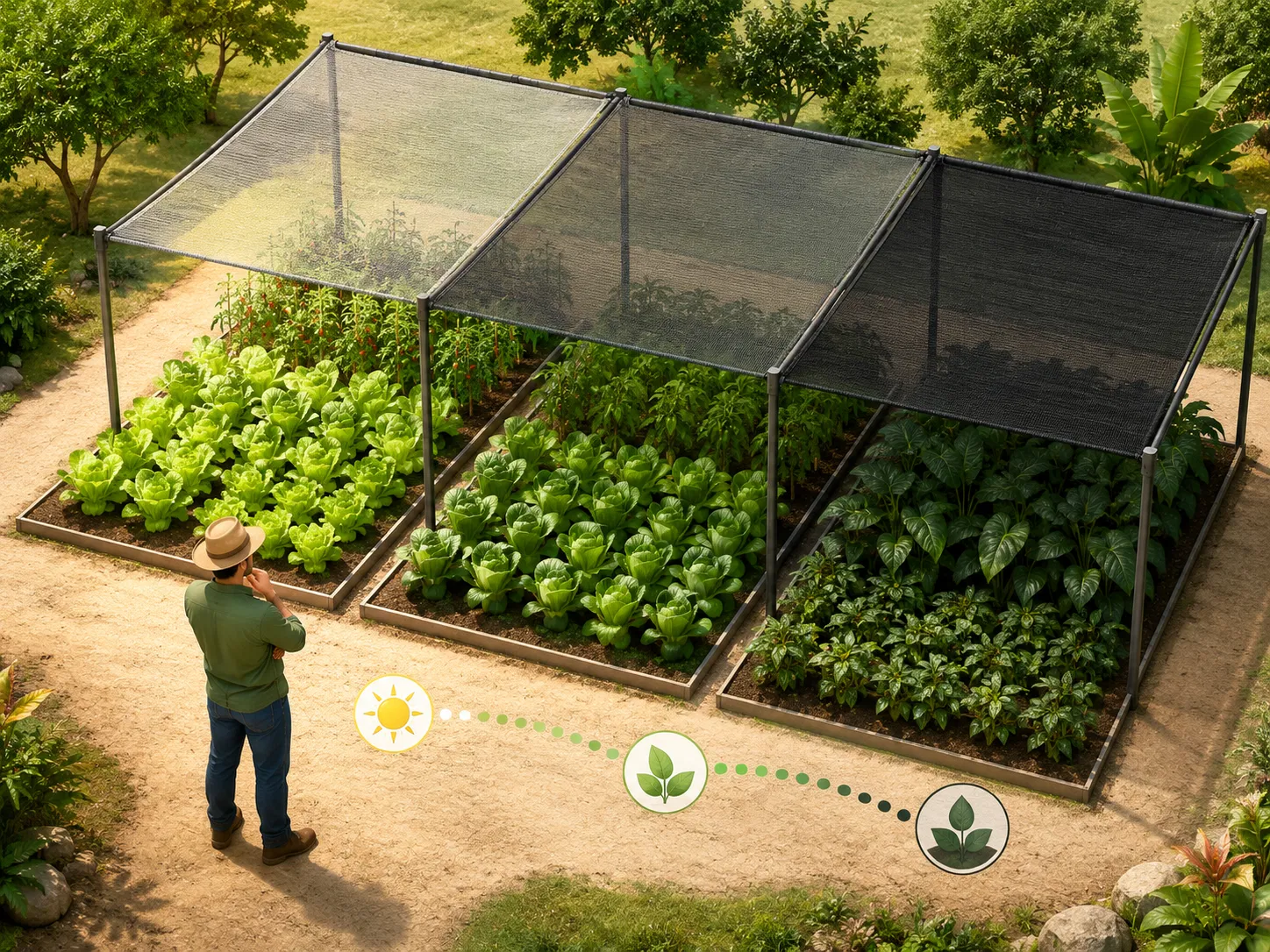
Picking the right shade net percentage can make the difference between a thriving crop and a stressed one. Too much shade can slow growth and reduce yield, while too little protection can leave plants vulnerable to heat, sunburn, and moisture loss. If you want healthier plants, better production, and smarter use of your growing space, understanding shade net selection is essential.
Why Shade Net Percentage Matters
Shade nets are designed to reduce the amount of sunlight reaching your crop. The percentage rating tells you how much light the net blocks. For example, a 50% shade net blocks about half of the sunlight, while a 30% shade net allows more light through. Choosing the right level is not just about comfort for the plants—it directly affects photosynthesis, soil temperature, water retention, and crop quality.
Different crops have different light requirements. Sun-loving vegetables may need only light shading, while seedlings, leafy greens, and ornamentals often benefit from heavier protection. The key is to match the shade level to your crop’s natural needs and your local climate.
Factors That Influence the Right Shade Net Percentage
1. Crop Type
Every crop responds differently to light intensity. A crop that thrives in full sun will usually need a lower shade percentage than one that naturally grows under partial canopy.
- Vegetables: Tomatoes, peppers, and cucumbers usually need 20% to 35% shade in hot climates.
- Leafy greens: Lettuce, spinach, and kale often perform well under 30% to 50% shade.
- Flowers and ornamentals: Many nursery plants and ornamentals benefit from 40% to 75% shade, depending on the species.
- Seedlings: Young plants often need 50% to 75% shade to reduce transplant stress and heat damage.
2. Climate and Sun Intensity
Your local weather plays a major role in shade net selection. In cooler regions, excessive shading can reduce growth by limiting light. In hot, dry, or high-radiation areas, stronger shading can protect crops from scorching and water stress.
Consider these climate conditions:
- High heat: Use a higher shade percentage to reduce leaf burn and moisture loss.
- Strong sunlight: Crops may need moderate shading even if temperatures are not extreme.
- Cool or cloudy regions: Lower shade percentages are usually best to preserve light levels.
- Windy environments: Shade nets can also reduce drying effects, but structure strength matters too.
3. Growth Stage
A crop’s needs can change as it matures. Seedlings often need more protection than established plants. As crops grow stronger, they may require less shade and more direct light to support flowering and fruiting.
For example:
- Germination and early seedling stage: Higher shade percentage helps protect young plants.
- Vegetative stage: Moderate shade is often ideal, depending on the crop.
- Flowering and fruiting stage: Many crops need increased light for better yield and quality.
4. Growing System
Shade net needs differ depending on whether you grow in open fields, greenhouses, nurseries, or vertical setups. Greenhouses already filter light, so they may need lighter shade nets than open-air farms. Nursery operations, on the other hand, often rely on higher shade percentages to protect delicate plants.
Common Shade Net Percentages and Their Uses
Understanding the most common shade levels can help you narrow your choice quickly.
30% Shade Net
A 30% shade net is ideal for crops that need plenty of light but benefit from some protection. It is commonly used for vegetables, fruiting crops, and areas with moderate sun intensity.
Best for: tomatoes, peppers, herbs, and light-sensitive vegetables in hot regions.
50% Shade Net
A 50% shade net offers a balanced level of protection and is one of the most versatile options. It works well for many seedlings, leafy vegetables, and nursery plants.
Best for: lettuce, spinach, seedlings, ornamental plants, and young transplants.
75% Shade Net
A 75% shade net provides heavy protection from intense sunlight and heat. It is often used in nurseries, propagation areas, and for shade-loving plants.
Best for: ferns, orchids, seedlings, and delicate nursery stock.
90% Shade Net
A 90% shade net is designed for very specific applications where maximum protection is needed. It is rarely used for most crops that require active growth under sunlight, but it can be useful in specialized nursery and propagation environments.
Best for: temporary protection, certain ornamental plants, and highly sensitive materials.
How to Match Shade Net Percentage to Your Crop
The easiest way to choose the right net is to ask three practical questions:
- How much sunlight does my crop need?
- How intense is my local climate?
- What growth stage is the crop in right now?
If your crop needs high light for fruiting, avoid over-shading. If your plants are young, delicate, or heat-sensitive, start with more protection. When in doubt, begin with moderate shading and observe how the crop responds.
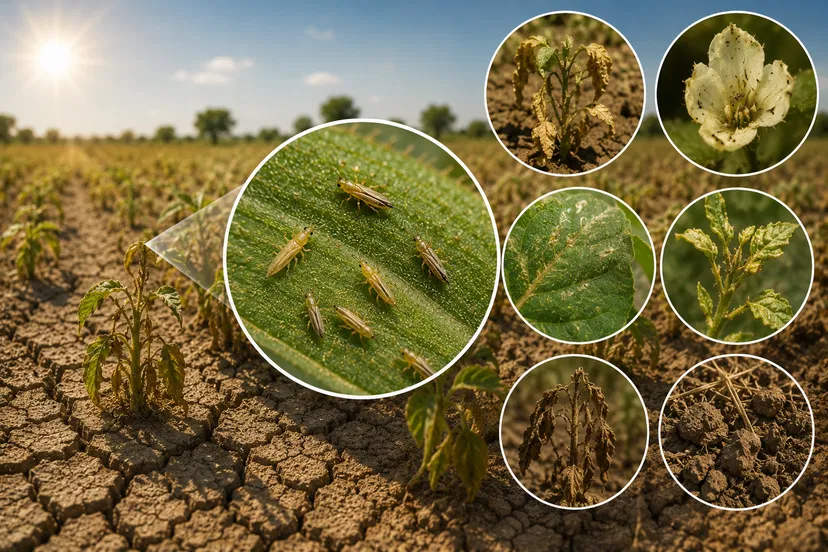
Tip: Crops showing signs of leaf scorch, wilting in midday heat, or excessive moisture loss may need a higher shade percentage. Crops with weak stems, long internodes, or poor flowering may be receiving too little light.
Signs You Chose the Wrong Shade Net
Plants often tell you when the shade level is not right. Watch for these common signals:
- Too much shade: slow growth, pale leaves, leggy stems, poor flowering, and reduced fruit production.
- Too little shade: scorched leaves, excessive wilting, heat stress, and faster soil drying.
If these symptoms appear, reassess both the shade percentage and the placement of the net. Sometimes adjusting the height, angle, or layering can improve results without replacing the entire setup.
Other Considerations Beyond Percentage
Shade net percentage is important, but it is not the only factor to think about. Material quality, color, durability, and installation all affect performance.
- Color: Green, black, white, and aluminized nets can influence light diffusion and temperature control.
- UV stabilization: A good UV-treated net lasts longer under intense sun exposure.
- Airflow: Proper ventilation helps prevent heat buildup under the net.
- Structure: A strong support frame keeps the net effective and safe in wind.
In some cases, a lighter shade net with better airflow performs better than a heavier net that traps too much heat. The goal is not simply to block sunlight, but to create the best growing environment for your specific crop.
Practical Shade Net Selection Guide
If you want a simple starting point, use this quick guide:
- 20% to 30%: Full-sun crops and hot climates
- 35% to 50%: Mixed-use crops, leafy vegetables, and seedlings
- 60% to 75%: Nurseries, ornamentals, and shade-sensitive plants
- 80% to 90%: Specialized propagation and very delicate plants
Always test and observe. Local conditions can change the ideal percentage, and even the same crop may need different levels of shading in different seasons.
Conclusion
Choosing the right shade net percentage for your crop is one of the smartest decisions you can make for plant health and yield. The best option depends on crop type, climate, growth stage, and growing system. Start with the light level your crop naturally prefers, then adjust based on heat, sun intensity, and plant response.