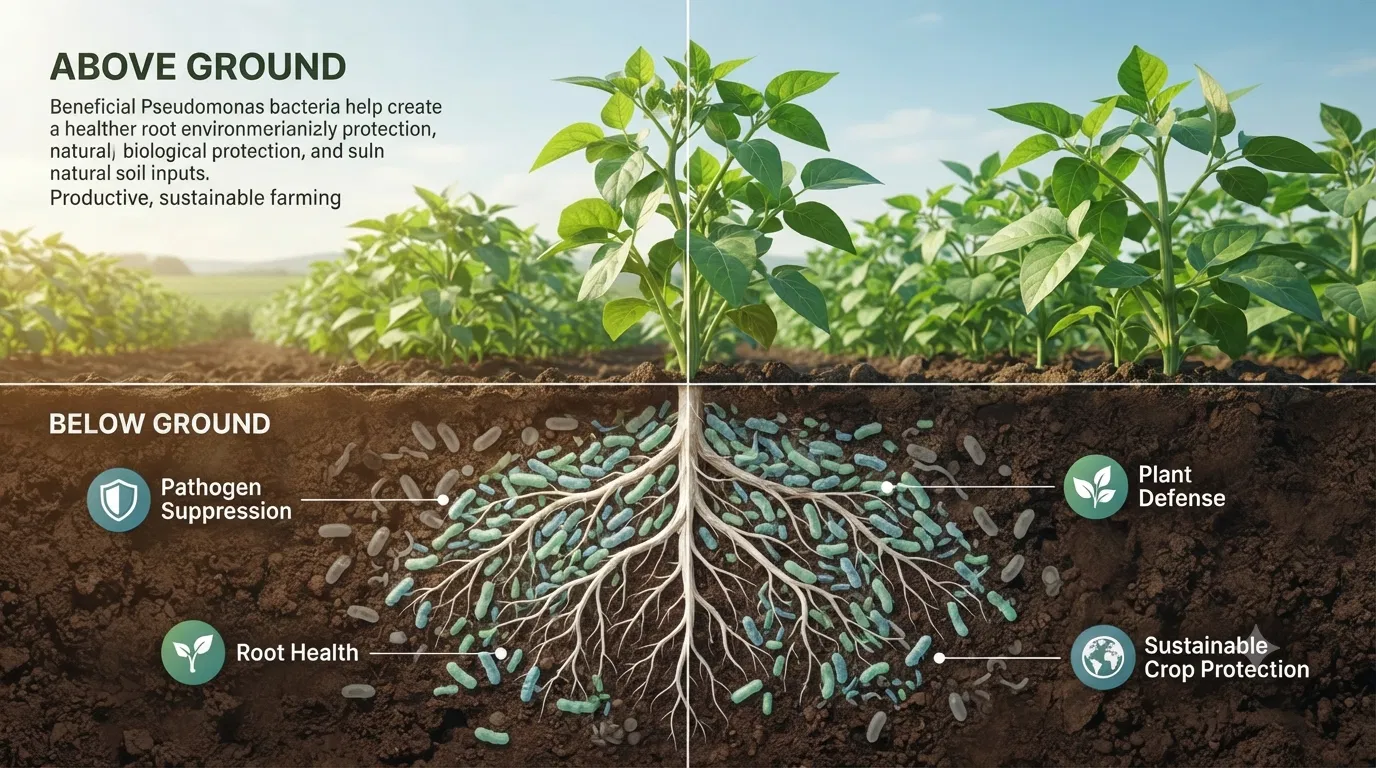
Healthy crops do not depend on chemicals alone. In the soil around plant roots, powerful beneficial bacteria are working quietly to defend plants from harmful pathogens. Among the most important of these microbes is Pseudomonas, a genus of bacteria known for helping crops resist disease, improve growth, and thrive under stress.
For farmers, gardeners, and agricultural professionals, understanding how Pseudomonas protects crops from disease can open the door to smarter, more sustainable plant protection strategies. These bacteria live in the rhizosphere, the narrow zone of soil surrounding roots, where they compete with harmful microbes and support plant health in multiple ways.
What Is Pseudomonas?
Pseudomonas is a diverse group of bacteria commonly found in soil, water, and plant root systems. Some species are harmful, but many are beneficial to agriculture. The most useful strains are called plant growth-promoting rhizobacteria, or PGPR.
These beneficial Pseudomonas species colonize roots and create a protective barrier around plants. Once established, they help suppress soil-borne diseases and reduce the impact of pathogenic fungi, bacteria, and nematodes.
How Pseudomonas Protects Crops From Disease
Pseudomonas protects crops through several natural mechanisms. Rather than relying on one single defense, it uses a combination of microbial competition, chemical suppression, and plant immune support. This multi-layered approach makes it a valuable tool in integrated crop management.
1. It Competes With Harmful Microbes
One of the simplest ways Pseudomonas defends crops is by competing for space and nutrients around the roots. Pathogenic organisms need room and resources to grow. When beneficial Pseudomonas strains colonize the root surface first, they leave fewer opportunities for disease-causing microbes to establish themselves.
This type of biological competition can reduce infection pressure from common crop pathogens and create a healthier root environment.
2. It Produces Natural Antimicrobial Compounds
Many beneficial Pseudomonas strains release substances that directly inhibit pathogens. These include:
- Antibiotics that suppress fungal and bacterial growth
- Siderophores that bind iron and limit pathogen access to this essential nutrient
- Hydrogen cyanide in some strains, which can discourage certain soil pathogens
- Enzymes that break down fungal cell walls
By producing these natural compounds, Pseudomonas creates a hostile environment for disease organisms while remaining beneficial to the plant.
3. It Triggers Induced Systemic Resistance
Pseudomonas does more than attack pathogens directly. It can also help plants strengthen their own defense systems through a process called induced systemic resistance (ISR).
Think of ISR as a plant immune boost. After root colonization by beneficial bacteria, the plant becomes better prepared to respond to future pathogen attacks. This means that when disease pressure increases, the plant can react faster and more effectively.
This natural priming effect is one reason Pseudomonas biocontrol is so important in sustainable agriculture.
4. It Helps Improve Root Health
Healthy roots are less vulnerable to disease. Pseudomonas supports root health by helping plants absorb nutrients more efficiently and by improving conditions in the rhizosphere.
Stronger roots can better tolerate infections, drought, and other environmental stressors. In many cases, crops treated with beneficial Pseudomonas strains show improved vigor, which makes them less likely to suffer severe disease losses.
Common Crop Diseases Suppressed by Pseudomonas
Beneficial Pseudomonas strains have been studied for their ability to reduce several important plant diseases. While results vary by strain, crop, and soil conditions, they have shown promise against:
- Fusarium wilt
- Rhizoctonia root rot
- Pythium damping-off
- Phytophthora infections
- Some bacterial blights and soft rots
Because different strains perform differently, selecting the right Pseudomonas strain for a specific crop and disease problem is essential.
Why Pseudomonas Is Important in Sustainable Agriculture
Modern agriculture is under pressure to reduce chemical inputs while maintaining high yields. Beneficial microbes like Pseudomonas offer a practical solution because they can help lower disease pressure naturally.
Key advantages include:
- Reduced dependence on synthetic pesticides
- Improved soil biological activity
- Better crop resilience
- Support for organic and regenerative farming systems
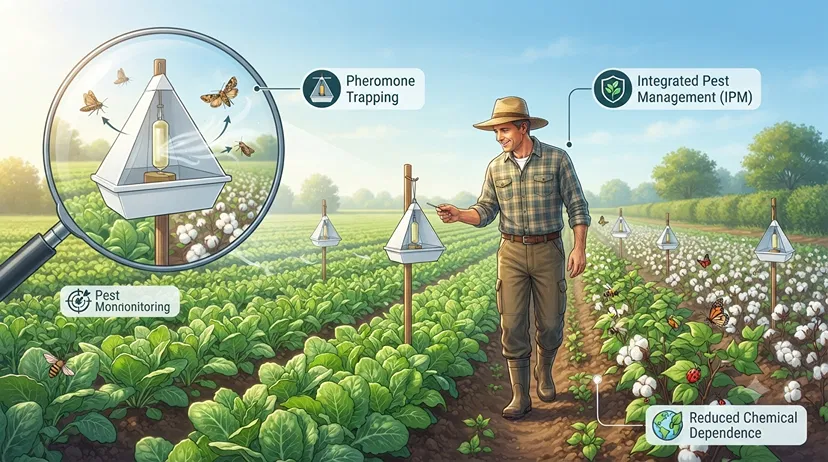
Using Pseudomonas as a biological control agent fits well with integrated pest management, where multiple strategies work together to protect crops efficiently and responsibly.
How Farmers Use Beneficial Pseudomonas
In agriculture, beneficial Pseudomonas strains are commonly applied as seed treatments, root drenches, or soil inoculants. The goal is to establish the bacteria early so they can colonize roots before pathogens take hold.
Typical application methods include:
- Seed coating to protect seedlings during early growth
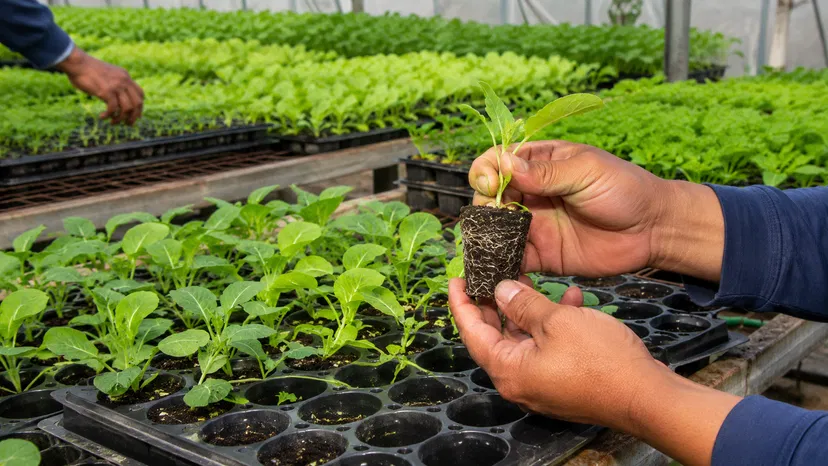
- Transplant root dips to encourage early root colonization
- Soil or drip irrigation applications to target the rhizosphere directly
- Formulated bioproducts designed for field or greenhouse use
Success depends on matching the strain to the crop, soil type, climate, and target disease. Environmental conditions, moisture, and organic matter can also influence how well the bacteria survive and perform.
Limitations and Practical Considerations
Although Pseudomonas is powerful, it is not a magic cure. Its performance can vary based on the strain used and field conditions. For best results, it should be part of a broader plant health strategy.
Important considerations include:
- Choosing well-tested, crop-specific strains
- Applying them at the right time
- Avoiding practices that damage soil microbial life
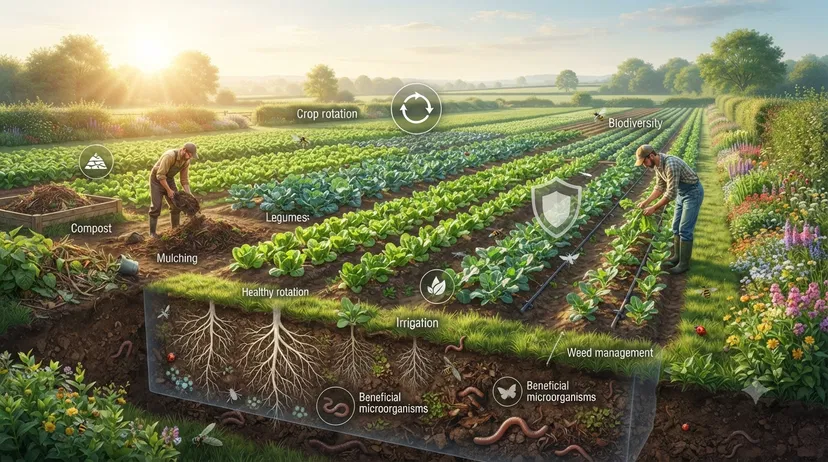
- Combining biological control with good sanitation and crop rotation
When used properly, beneficial Pseudomonas can significantly reduce disease risk, but it works best in healthy, biologically active soils.
The Future of Pseudomonas in Crop Protection
Interest in microbial crop protection continues to grow, and Pseudomonas is at the center of that progress. Researchers are identifying stronger strains, improving formulations, and learning more about how these bacteria interact with plants and pathogens.
As agriculture moves toward more sustainable systems, Pseudomonas biocontrol is likely to become even more important. It offers a natural way to protect crops, improve resilience, and support long-term soil health.
Conclusion
Pseudomonas protects crops from disease by competing with pathogens, producing antimicrobial compounds, triggering plant defenses, and improving root health. This makes it one of the most valuable beneficial bacteria in modern agriculture.
For growers looking to reduce disease pressure and build more resilient cropping systems, beneficial Pseudomonas strains offer a smart, sustainable solution. The more we understand and use these microbes, the better equipped we are to protect crops naturally and improve agricultural productivity.
Healthy crops start with healthy roots, and healthy roots often begin with the right microbes.