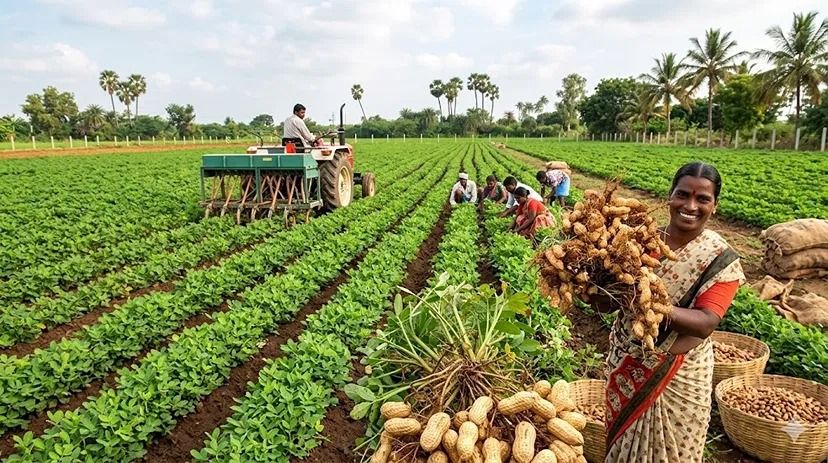
Healthy groundnut crops begin long before the first leaf appears above the soil. In the Kharif season, when rainfall, humidity, and soil-borne diseases can quickly affect crop establishment, proper groundnut seed treatment and sowing become the foundation of a profitable harvest. If you want better germination, stronger seedlings, and uniform crop stand, the right start matters more than anything else.
This guide covers the most important steps for groundnut sowing in Kharif season, including seed selection, treatment, spacing, depth, and field preparation. Follow these practices to improve crop establishment and reduce early-stage losses.
Why Groundnut Seed Treatment Matters in Kharif
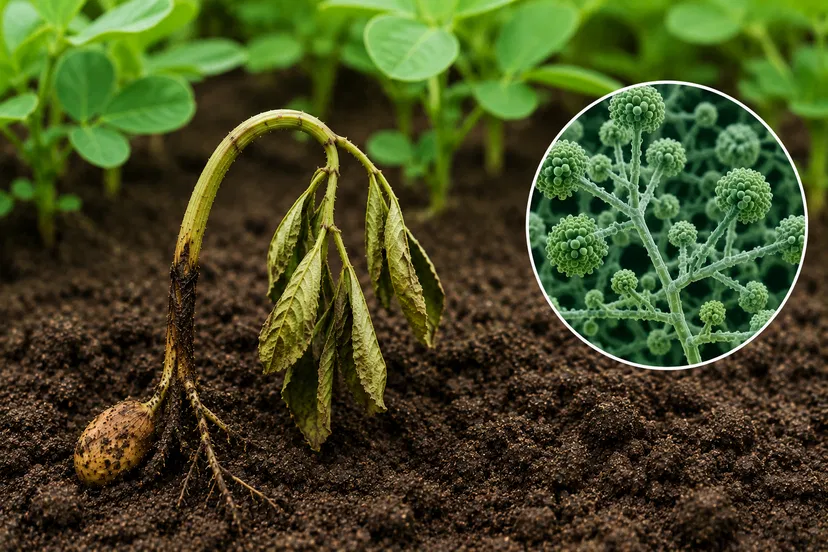
Kharif groundnut faces several risks right from planting time. Excess soil moisture, fungal infections, seed rot, poor emergence, and insect attacks can all reduce plant population. Seed treatment for groundnut helps protect the seed during the most vulnerable stage and supports quick, uniform germination.
Benefits of proper seed treatment include:
- Better germination percentage
- Protection from seed and soil-borne diseases
- Improved seedling vigor
- Stronger root development
- More uniform crop stand
Selecting Quality Groundnut Seed
Before treatment, start with clean, healthy, and certified seed. Good seed quality is the base of a successful groundnut crop. Avoid broken, shriveled, damaged, or discolored seeds because they often have poor viability and may carry disease.
Choose seed that is:
- Fresh and bold
- Free from fungal spots and insect damage
- True to variety
- High in germination capacity
- Properly dried and stored
Tip: Before sowing, test a small sample for germination. This helps you estimate the seed rate more accurately.
Groundnut Seed Treatment Steps for Kharif Season
Seed treatment should be done carefully and in the correct order. Usually, treatment includes fungicide treatment, biofertilizer treatment, and sometimes insecticidal protection, depending on local pest pressure and expert recommendations.
1. Fungicide Seed Treatment
Fungicide treatment protects groundnut seeds from seed rot, collar rot, and other fungal diseases common in wet Kharif conditions. Treat seed with a recommended fungicide before sowing as per local agricultural guidelines.
Important points:
- Use only recommended products and doses
- Treat seed in a clean container
- Mix gently so every seed gets coated evenly
- Shade-dry treated seed for a short time before sowing
2. Rhizobium and PSB Inoculation
After fungicide treatment and drying, seeds can be treated with Rhizobium and phosphate-solubilizing bacteria (PSB). These bioinoculants support nodulation, nitrogen fixation, and better nutrient availability, which are especially useful for groundnut.
Best practices for biofertilizer treatment:
- Apply after chemical seed treatment is complete
- Use a sticker solution such as rice gruel or sugar solution if recommended
- Do not expose inoculated seed to direct sunlight
- Sow treated seeds as early as possible
3. Insect Protection if Needed
In areas where early-season insect pests are common, seed treatment may also include insecticidal protection. This can reduce damage from soil insects and early sucking pests. Always follow official recommendations and safety instructions.
Golden rule: Never mix biofertilizers with chemical seed treatments at the same time. Apply them in the correct sequence to protect seed viability and microbial activity.
Ideal Time for Groundnut Sowing in Kharif
Timely sowing is critical in the groundnut Kharif season. The crop should be sown at the beginning of the monsoon when sufficient soil moisture is available for germination but the field is not waterlogged.
Best sowing conditions include:
- Well-distributed rainfall
- Moist but not saturated soil
- No standing water in the field
- Stable weather after sowing
Avoid sowing in very dry soil, as poor moisture delays germination. Also avoid sowing immediately before heavy rain, which may lead to seed decay.
Field Preparation Before Sowing
Groundnut grows best in loose, well-drained soil. Proper field preparation ensures good seed-soil contact and healthy root penetration.
Prepare the field by:
- Ploughing the land thoroughly to achieve fine tilth
- Removing weeds, stubbles, and crop residues
- Leveling the field for even water distribution
- Making drainage channels in rain-prone areas
Note: Groundnut is highly sensitive to waterlogging, so drainage is extremely important during Kharif.
Recommended Sowing Method for Groundnut
Groundnut should be sown in rows to maintain proper spacing and plant population. Line sowing is preferred over broadcasting because it improves crop management, aeration, and harvesting efficiency.
Spacing and Seed Rate
Spacing depends on the variety, soil type, and growth habit of the groundnut crop. In general, maintain enough space between rows and plants to reduce competition and improve pod development.
- Use row sowing for uniform plant stand
- Keep proper intra-row and inter-row spacing
- Adjust seed rate according to seed size and germination percentage
For bold-seeded varieties, the seed rate may be higher than for small-seeded types. Always confirm local recommendations before planting.
Sowing Depth
Depth of sowing has a direct impact on emergence. Groundnut seeds should not be planted too deep, especially in heavy soils.
- Optimum sowing depth: shallow to moderate
- Deeper sowing may delay emergence
- Very shallow sowing can expose seeds to drying or birds
The goal is to place the seed deep enough to access moisture, but not so deep that seedlings struggle to emerge.
Moisture Management After Sowing
After sowing, the field should retain enough moisture for germination without becoming waterlogged. In Kharif, the biggest challenge is managing excess rainfall. If intense rain is expected, ensure proper drainage to protect the seed.
Good moisture management includes:
- Creating field drains before sowing
- Avoiding low-lying patches where water collects
- Checking emergence 5–10 days after sowing
- Resowing gaps early if plant population is low
Common Mistakes to Avoid in Groundnut Sowing
Even minor mistakes can affect final yield. Avoid these common errors during groundnut seed treatment and sowing:
- Using old or low-germination seed
- Skipping fungicide treatment in wet conditions
- Mixing biofertilizers incorrectly with chemicals
- Sowing too deep or too shallow
- Ignoring drainage in rain-fed fields
- Broadcasting seed unevenly
Careful attention at the beginning saves time, seed, and money later in the season.
Early Crop Care After Emergence
Once seedlings emerge, inspect the crop regularly. Healthy early growth is a sign that seed treatment and sowing were done correctly. Remove weak plants only if necessary, and fill gaps early to maintain the desired population.
Focus on:
- Uniform emergence
- Weed control during the early stage
- Protection from pests and diseases
- Maintaining proper moisture balance
Final Thoughts on Groundnut Seed Treatment and Sowing for Kharif
A successful groundnut crop starts with disciplined planning at sowing time. By choosing quality seed, applying proper seed treatment for groundnut, sowing at the right time, and maintaining ideal spacing and depth, farmers can achieve stronger plant stands and better yield potential in the Kharif season.
If you want to improve crop establishment and reduce losses, treat sowing as a critical investment, not a routine task. Follow recommended practices, stay alert to rainfall and drainage conditions, and begin the season with the healthiest possible start. Strong groundnut crops are built from strong seed.