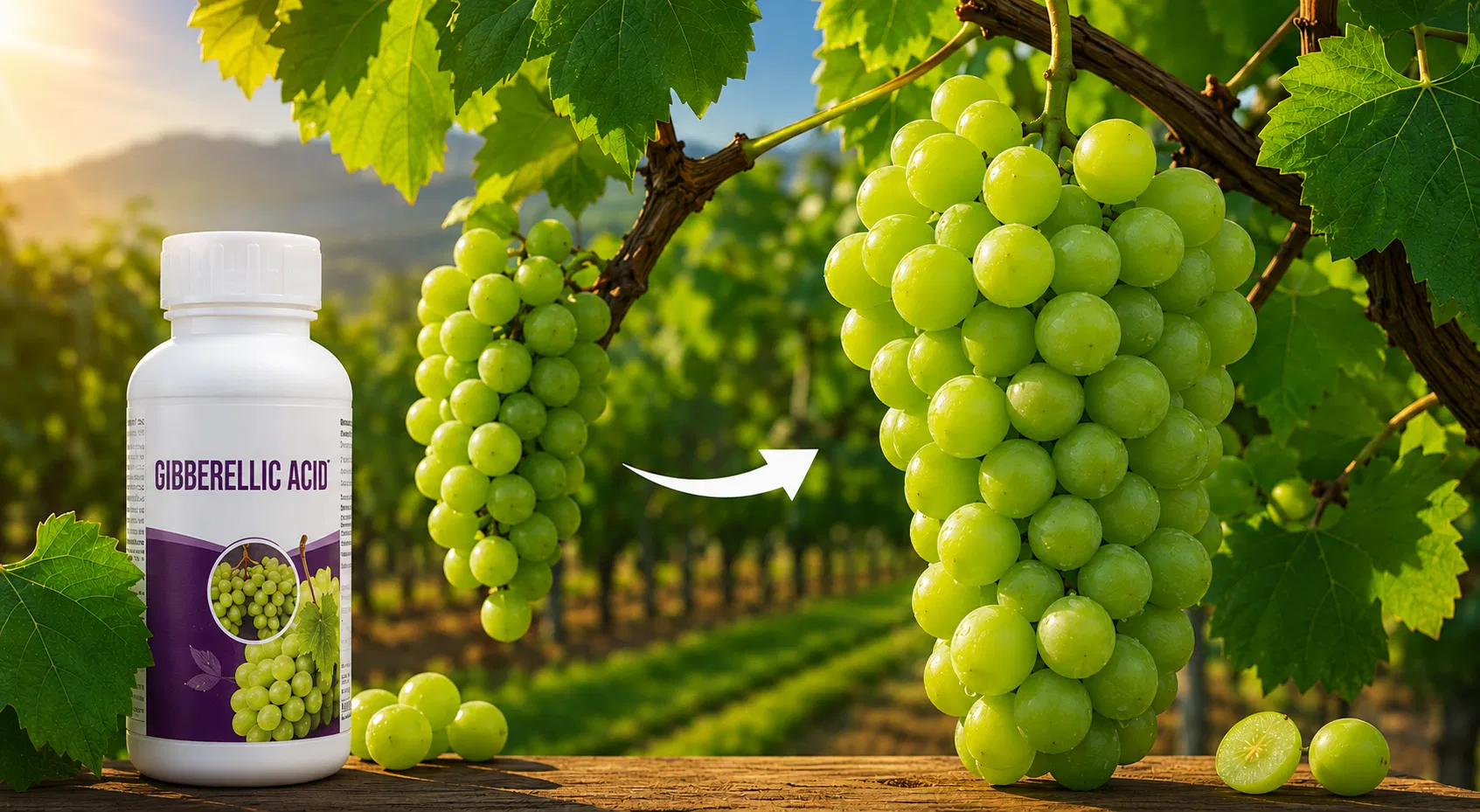
If you grow grapes, you already know that berry size can make a big difference in market value, appearance, and overall crop quality. One of the most effective tools growers use to increase grape berry size is gibberellic acid, often called GA3. When used correctly, gibberellic acid for grapes can help create larger, more uniform berries, improve cluster looseness, and support better fruit development.
In this guide, we'll look at how gibberellic acid works in grapes, when to apply it, and what results you can expect. Whether you manage a commercial vineyard or grow table grapes on a smaller scale, understanding GA3 can help you make better decisions for berry sizing and crop quality.
What Is Gibberellic Acid?
Gibberellic acid is a plant growth regulator that belongs to the gibberellin group of hormones. In grape production, it is widely used to influence berry development, cluster structure, and fruit size. Its main role is to stimulate cell elongation and division during key stages of grape growth.
For table grapes in particular, gibberellic acid is valued because it helps produce larger berries with a more attractive appearance. It is commonly used in seedless grape varieties, where berry enlargement is especially important for commercial quality.
How Gibberellic Acid Improves Berry Size in Grapes
Gibberellic acid improves berry size by affecting the early growth stages of the fruit. During this period, the berries are highly responsive to growth regulators. When applied at the right time, GA3 encourages the berries to expand, resulting in larger fruit at harvest.
Here are the main ways GA3 helps grapes:
- Increases berry length and diameter for a fuller, more appealing cluster
- Promotes looser clusters, which can improve airflow and reduce disease pressure
- Supports more uniform berry development across the bunch
- Enhances marketability by improving visual quality
It is important to note that the response to gibberellic acid depends on grape variety, timing, concentration, and vine condition. A carefully managed program produces the best results.
Best Time to Apply Gibberellic Acid to Grapes
Timing is one of the most important factors in using gibberellic acid for grapes. The fruit must be at the right developmental stage to respond properly. In general, GA3 is applied during flowering or shortly after fruit set, depending on the goal.
Common application windows include:
- Pre-bloom – Used in some varieties to influence cluster structure and fruit set.
- Bloom stage – Can help reduce compactness in certain seedless grapes.
- Post-bloom or fruit set – Often used to increase berry size once tiny berries have formed.
The exact timing varies by cultivar and growing conditions. Applying too early, too late, or at the wrong rate can reduce the effectiveness of the treatment or cause unwanted effects.
Ideal Conditions for Using GA3 on Grapes
To get the best berry-sizing results, grape growers should pay close attention to vine health and environmental conditions. A vigorous, well-managed vine responds better to gibberellic acid than a stressed or undernourished one.
Before application, consider these conditions:
- Vines should have balanced nutrition
- Water stress should be avoided
- Disease and pest pressure should be under control
- Application should be done during suitable weather conditions
- Spray coverage must be even and thorough
Healthy vines are more likely to show a strong and consistent response to GA3. Poor vine health can limit fruit enlargement and reduce the benefits of treatment.
Recommended Practices for Applying Gibberellic Acid
Successful use of gibberellic acid for grapes depends on careful application. Growers should always follow label instructions and local agricultural guidance. Rates and methods can vary widely based on variety and production goals.
Key best practices include:
- Use the correct concentration for the target variety and growth stage
- Apply evenly to ensure consistent berry response
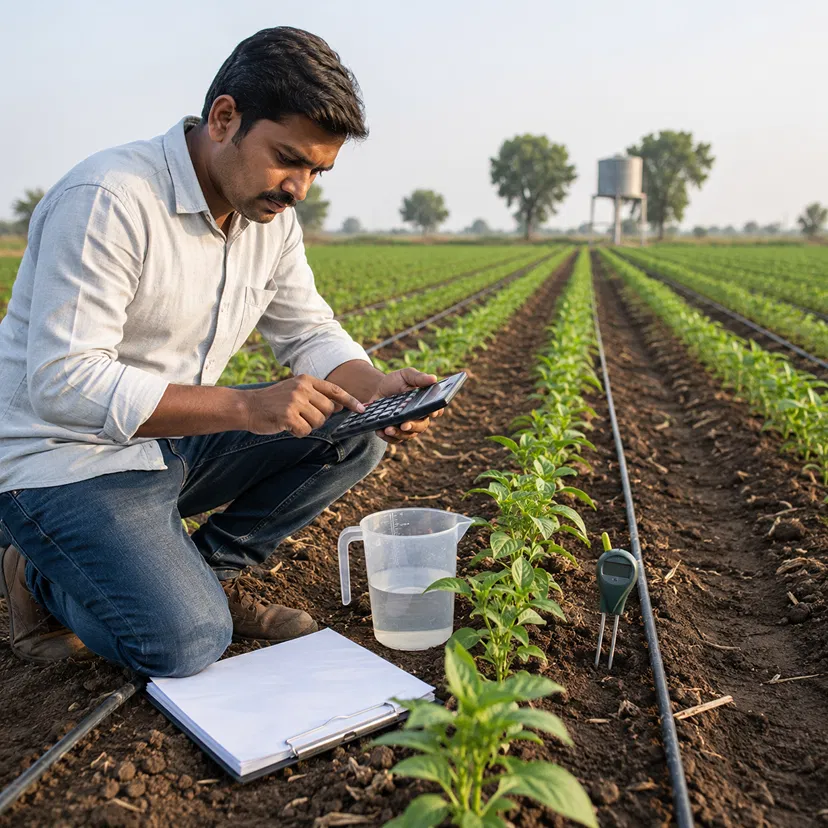
- Mix accurately to avoid underdosing or overdosing
- Test on a small area first if using a new program
- Monitor results and adjust future applications based on performance
Some growers use hand application methods, while others rely on spray systems designed for vineyard use. Regardless of method, uniform coverage matters. Uneven application can lead to inconsistent berry size within the same cluster.
Benefits Beyond Berry Size
Although berry enlargement is the main reason many growers use gibberellic acid, it can also provide additional advantages. In some grape varieties, GA3 can improve the overall appearance and handling quality of the crop.
Additional benefits may include:
- Better cluster looseness
- Improved fruit set control in specific varieties
- Enhanced pack-out potential for fresh market grapes
- More uniform bunch development
These benefits are especially valuable in table grape production, where appearance and size strongly influence consumer preference and sales value.
Potential Risks and Limitations
Like any crop input, gibberellic acid must be used carefully. Too much or poorly timed GA3 can create problems instead of benefits. In some cases, it may reduce fruit set, delay ripening, or lead to overly loose clusters.
Possible issues include:
- Uneven berry sizing
- Excessively loose clusters
- Delayed maturity in some varieties
- Reduced yield if applied incorrectly
- Varietal sensitivity to overapplication
Because grape varieties respond differently, growers should always evaluate the specific needs of their crop before using GA3. What works well in one cultivar may not be suitable for another.
Successful gibberellic acid use is not just about making grapes bigger. It is about applying the right dose at the right time to improve berry size without compromising fruit quality or vine performance.
Gibberellic Acid for Seedless vs. Seeded Grapes
Gibberellic acid is most commonly used in seedless grapes, where berry enlargement is a major production goal. Seedless varieties often respond strongly to GA3, making it a standard part of many table grape management programs.
In seeded grapes, the response can differ. Some seeded varieties may not be suitable for GA3 treatment, or the results may be less predictable. For this reason, the use of gibberellic acid should always be matched to the grape type and production objective.
Tips for Getting the Best Results
If you want to maximize the benefits of gibberellic acid for grapes, focus on the full production system, not just the spray itself. Berry size is influenced by vine health, climate, nutrition, irrigation, and crop load.
Practical tips for growers:
- Maintain balanced fertilizer programs
- Keep irrigation consistent during critical growth stages
- Prune and thin vines properly to manage crop load
- Watch berry development closely after application
- Keep records of timing, rates, and results for future seasons
Over time, these records can help you refine your program and identify what works best for your vineyard. Small adjustments can make a big difference in final berry size and pack quality.
Conclusion
Gibberellic acid for grapes is a powerful tool for improving berry size, cluster structure, and market quality when used correctly. The key is precise timing, proper application, and an understanding of how your specific grape variety responds. With good vineyard management and a thoughtful GA3 program, you can produce larger, more attractive grapes that stand out in the marketplace.
If berry size matters in your grape production, start by reviewing your current management practices and identifying where gibberellic acid may fit into your program. Used wisely, it can be one of the most valuable tools in your vineyard.