Choosing the right phosphorus fertilizer can make a major difference in crop establishment, root growth, and final yield. Two of the most common options farmers compare are DAP and NPK complex. Both supply phosphorus, but they are not the same, and the best choice depends on your soil, crop, and nutrient management goals.
If you are deciding between DAP vs NPK complex, understanding how each fertilizer works can help you avoid nutrient imbalance, reduce waste, and get better results from every application.
What Is DAP?
DAP stands for Diammonium Phosphate. It is a high-analysis fertilizer that typically contains 18% nitrogen and 46% phosphorus in the form of phosphate. Because of its strong phosphorus content, DAP is widely used as a starter fertilizer.
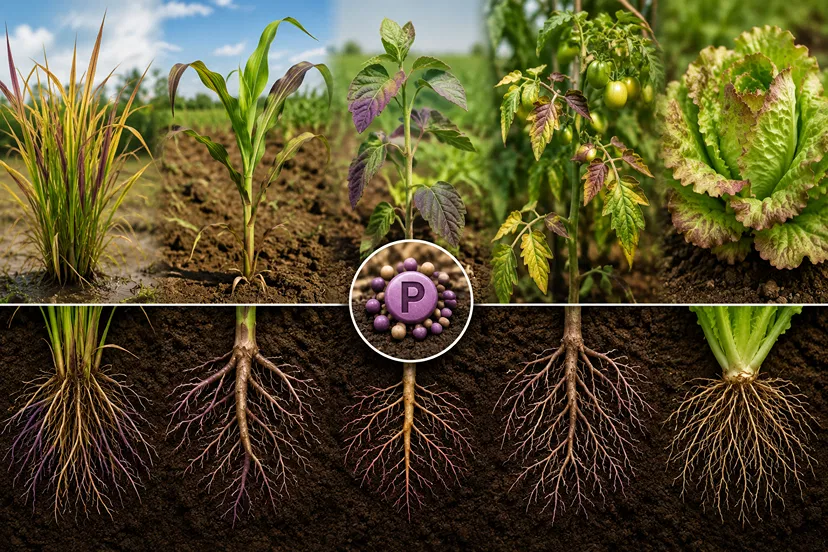
DAP is especially popular when crops need a quick boost during early growth stages. It dissolves well in soil moisture and provides phosphorus close to the seed zone, which supports strong root development and early vigor.
What Is NPK Complex?
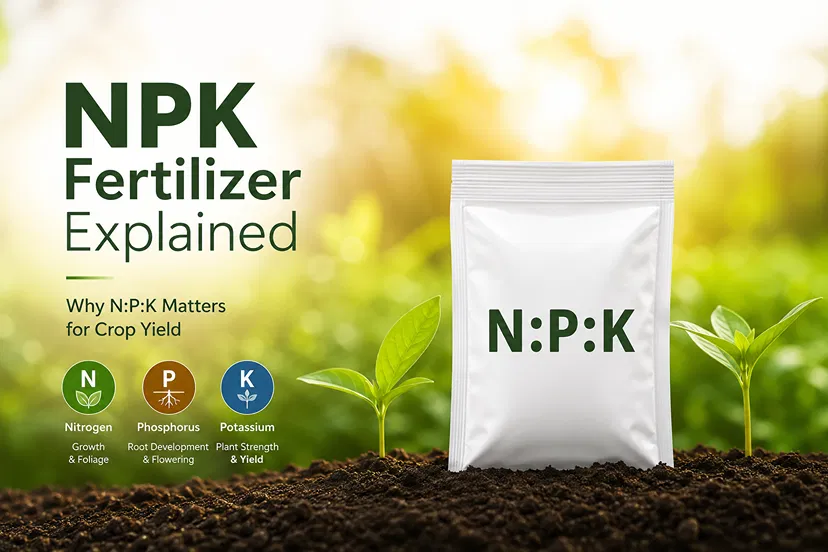
NPK complex fertilizer is a blended or compound fertilizer that contains three major nutrients:
- N for nitrogen
- P for phosphorus
- K for potassium
The exact nutrient ratio varies depending on the formulation, such as 15-15-15, 20-20-20, or crop-specific grades. Unlike DAP, which is mostly focused on nitrogen and phosphorus, NPK complex gives a more balanced nutrient supply.
This makes it useful when soil tests show multiple nutrient needs or when growers want a single product to support overall crop development.
DAP vs NPK Complex: Key Differences
Although both fertilizers contain phosphorus, their roles in crop nutrition differ significantly. Here is a simple comparison:
- DAP is a phosphorus-rich fertilizer with moderate nitrogen.
- NPK complex provides phosphorus along with nitrogen and potassium.
- DAP is best for early root growth and starter applications.
- NPK complex is better for balanced nutrition across crop stages.
- DAP is often used when phosphorus deficiency is the main concern.
- NPK complex is preferred when multiple nutrients are needed at once.
When to Choose DAP
DAP is often the better choice when your main goal is to supply phosphorus efficiently at planting. It works well in soils that are low in available phosphorus and where crops need strong early establishment.
Best Situations for DAP
- Low-phosphorus soils
- Starter fertilizer at planting
- Crops with strong early root demand
- Fields already receiving potassium through separate fertilization
DAP is especially effective for crops such as maize, wheat, rice, and many vegetables when applied correctly. However, because it does not supply potassium, it should not be used alone if your soil is also lacking K.
Important note: DAP can create a temporary rise in soil pH around the granule, which may affect seed placement if applied too close to the seed. Proper placement is essential to avoid seed injury.
When to Choose NPK Complex
NPK complex is the better option when your crop needs a more balanced feeding program. It is commonly used when soil fertility is uneven or when farmers want to apply all major nutrients in one operation.
Best Situations for NPK Complex
- Soils deficient in more than one major nutrient
- High-value crops needing balanced nutrition
- Fields without a separate potassium program
- Pre-plant or basal applications for broad nutrient support
Because NPK complex includes potassium, it can improve flowering, fruit quality, disease tolerance, and overall plant strength. This makes it especially useful for fruit crops, vegetables, tubers, and cash crops that respond strongly to balanced feeding.
Which One Has Better Phosphorus Availability?
Both DAP and NPK complex can supply phosphorus effectively, but DAP usually contains a higher phosphorus concentration. That means you can deliver more phosphorus per kilogram of product with DAP than with most NPK complex grades.
However, phosphorus availability is not just about concentration. Soil conditions matter too. In acidic or alkaline soils, phosphorus can become less available due to fixation. That is why correct placement, timing, and soil testing are just as important as the fertilizer type itself.
Smart fertilization is not about choosing the strongest product, but the right product for the soil and crop.
Advantages of DAP
- High phosphorus content
- Good starter fertilizer
- Supports early root growth
- Easy to handle and widely available
- Cost-effective when phosphorus is the main need
Limitations of DAP
- Does not provide potassium
- Can cause seed injury if misapplied
- May create nutrient imbalance if used alone in deficient soils
- Not ideal for crops requiring balanced NPK supply
Advantages of NPK Complex
- Supplies nitrogen, phosphorus, and potassium together
- Supports balanced crop growth
- Reduces the need for multiple fertilizer applications
- Useful for crops with high nutrient demand
- Improves overall plant performance when multiple deficiencies exist
Limitations of NPK Complex
- Usually contains less phosphorus per unit than DAP
- Can be more expensive per nutrient
- Not always the best choice if only phosphorus is needed
- Formulation must match crop and soil needs carefully
How to Decide Between DAP and NPK Complex
The best choice depends on your field conditions and nutrition goals. Before selecting a fertilizer, consider these factors:
- Soil test results: Check whether phosphorus, potassium, and nitrogen are deficient.
- Crop stage: Use DAP for early phosphorus support and NPK for broader nutrition.
- Crop type: Fruit and vegetable crops often benefit more from balanced NPK formulations.
- Existing fertilizer plan: If potassium is already being applied separately, DAP may be sufficient.
- Application method: Starter placement favors DAP, while basal broadcasting often suits NPK complex.
In simple terms, choose DAP when phosphorus is the priority. Choose NPK complex when your crop needs a full nutritional package.
Practical Fertilizer Strategy for Better Results
Many successful growers do not rely on one fertilizer alone. Instead, they combine products based on crop demand and soil fertility. For example, a field may receive DAP at planting for strong root development, followed by additional potassium or NPK later in the season.
This approach helps prevent overuse of one nutrient while ensuring crops get what they need at the right time. The result is better nutrient efficiency, healthier plants, and stronger yields.
Conclusion
When comparing DAP vs NPK complex, there is no one-size-fits-all answer. DAP is the stronger phosphorus source and is ideal for starter feeding and phosphorus-deficient soils. NPK complex is better when crops need a balanced supply of nitrogen, phosphorus, and potassium in one product.
If you want the best outcome, start with a soil test, match the fertilizer to your crop’s growth stage, and choose the formulation that fits your nutrient plan. The right phosphorus source can improve root growth, boost early vigor, and set the stage for a healthier harvest.
Final insight: Select DAP for concentrated phosphorus support, and choose NPK complex for complete crop nutrition.