For modern dairy farms, a cow milking machine is more than a convenience—it is a productivity tool that can improve milk quality, reduce labor strain, and streamline daily operations. Whether you manage a small family dairy or a larger commercial herd, choosing the right milking system can make a major difference in efficiency and profitability.
In this guide, we’ll explore the main types of cow milking machines, their benefits, and the factors that influence cost so you can make a smarter buying decision.
What Is a Cow Milking Machine?
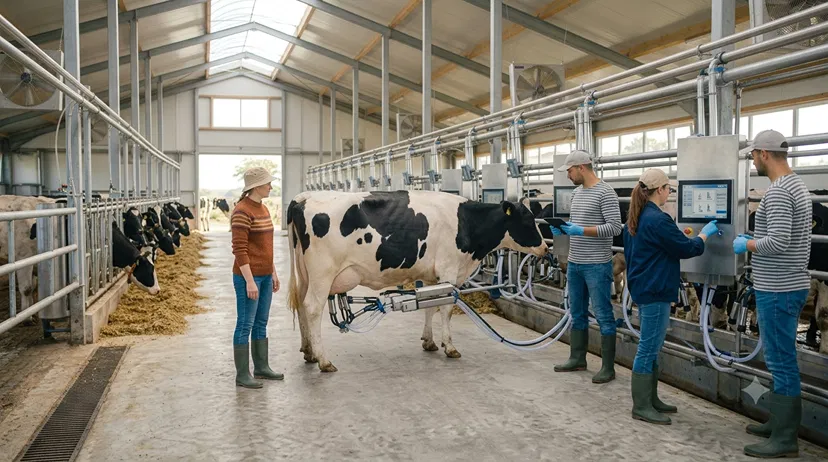
A cow milking machine is a mechanical device designed to extract milk from cows safely and efficiently by using controlled suction. It replaces or reduces manual milking, helping farmers milk animals faster while maintaining hygiene and consistency.
These machines are widely used in dairy operations because they can save time, reduce physical labor, and support better milk handling practices. When properly maintained, a milking machine can also help reduce stress on both the farmer and the herd.
Types of Cow Milking Machines
There are several types of cow milking machines available, and the best choice depends on herd size, budget, and daily milking needs.
1. Bucket Milking Machine
A bucket milking machine is one of the most common options for small dairy farms. It collects milk in a portable bucket attached to the unit, making it easy to use and clean.
- Best for small herds
- Portable and easy to operate
- Lower upfront cost
- Simple maintenance
This type is ideal for farmers who milk a limited number of cows and want an affordable, practical solution.
2. Pipeline Milking Machine
Pipeline milking machines are designed for medium to large dairy farms. Instead of collecting milk in a bucket, the milk travels through a pipeline directly to a storage tank.
- Suitable for larger herds
- Reduces manual handling of milk
- Improves efficiency in high-volume operations
- Can be integrated into bigger dairy systems
This system is often preferred in commercial dairy settings because it saves time and supports smoother workflow.
3. Portable Milking Machine
Portable milking machines are compact units that can be moved easily from one location to another. They are especially useful for farms with limited infrastructure or multiple milking points.
- Flexible and mobile
- Good for small and mid-sized farms
- Easy to store and transport
- Useful in remote farming areas
Farmers who need versatility often choose portable models for their convenience and ease of use.
4. Automated Milking System
Automated milking systems, sometimes called robotic milking machines, represent the most advanced option. These systems allow cows to be milked with minimal human involvement.
- High level of automation
- Reduces labor requirements
- Useful for large-scale dairy farms
- Supports data tracking and monitoring
Although this is the most expensive option, it can deliver strong long-term value for farms focused on technology and scale.
Benefits of Using a Cow Milking Machine
Investing in a cow milking machine offers several practical advantages that can improve daily farm operations.
1. Saves Time
One of the biggest benefits is speed. A milking machine can milk multiple cows much faster than manual methods, allowing farmers to complete chores efficiently and stay on schedule.
2. Reduces Labor Fatigue
Milking cows by hand is physically demanding and time-consuming. A machine reduces the strain on workers, making the process easier and less exhausting.
3. Improves Milk Hygiene
Modern milking machines are designed to reduce contamination by limiting direct human contact with milk. This can help improve hygiene and support better milk quality.
4. Supports Consistent Milking
Machines provide steady suction and more consistent milking compared to manual methods. This consistency can help maintain udder health when the equipment is properly used and maintained.
5. Increases Farm Productivity
Because milking takes less time and effort, farmers can focus on other important tasks such as feeding, herd management, cleaning, and record keeping. This improves overall productivity across the farm.
6. Can Improve Animal Comfort
When correctly adjusted, a milking machine can create a smooth and regular milking routine. Cows often respond well to predictable procedures, which can reduce stress over time.
A well-chosen milking machine is not just equipment—it is an investment in efficiency, hygiene, and the long-term sustainability of your dairy operation.
Factors That Affect Cow Milking Machine Cost
The cost of a cow milking machine can vary widely depending on several important factors. Understanding these helps farmers plan a realistic budget.
1. Type of Machine
Bucket and portable models are generally more affordable, while pipeline and automated systems cost significantly more because of their complexity and capacity.
2. Herd Size Capacity
Machines built for larger herds usually include more advanced features and stronger performance, which increases the price.
3. Brand and Quality
Well-known brands often charge more, but they may offer better durability, support, and replacement parts. Lower-cost options can work well too, but quality should always be a priority.
4. Features and Technology
Additional features such as automatic pulsation, vacuum control, stainless steel components, and digital monitoring can raise the price but also improve performance and lifespan.
5. Installation and Maintenance
Some systems require professional installation, electrical setup, or piping work. Ongoing maintenance costs, replacement liners, and servicing should also be considered.
General Cow Milking Machine Price Range
While prices vary by region and supplier, the following ranges can help you estimate your investment:
- Bucket milking machine: Lower-cost option, often suitable for small farms
- Portable milking machine: Mid-range pricing depending on features
- Pipeline milking machine: Higher investment for medium to large dairy farms
- Automated milking system: Premium cost with advanced technology
Instead of focusing only on the purchase price, consider the long-term return on investment. A machine that saves labor, improves hygiene, and boosts efficiency may be worth more than a cheaper model with limited durability.
How to Choose the Right Cow Milking Machine
To select the best machine for your farm, keep these practical points in mind:
- Assess herd size: Choose a system that matches your daily milking volume.
- Set a budget: Balance upfront cost with long-term operating value.
- Check ease of cleaning: Hygiene is critical for milk quality and equipment longevity.
- Look for durability: Strong materials and reliable parts reduce breakdowns.
- Consider service support: Make sure spare parts and technical help are available.
The right machine should fit your current needs while also supporting future growth.
Maintenance Tips for Long-Term Performance
Proper maintenance helps extend the life of your cow milking machine and keeps it working efficiently.
- Clean all parts after every milking session
- Inspect rubber liners, tubes, and seals regularly
- Check vacuum levels and suction performance
- Replace worn components on time
- Follow the manufacturer’s service schedule
Routine care not only protects the machine but also supports milk safety and herd health.
Conclusion
A cow milking machine can transform dairy farming by improving speed, reducing labor, and supporting cleaner milk production. From bucket and portable models to advanced automated systems, there is an option for every farm size and budget. The key is to choose a machine that matches your herd, your workflow, and your long-term goals.
If you are planning to upgrade your dairy operation, start by comparing machine types, features, and total ownership costs. The right investment today can lead to better efficiency, healthier cows, and stronger returns for years to come.