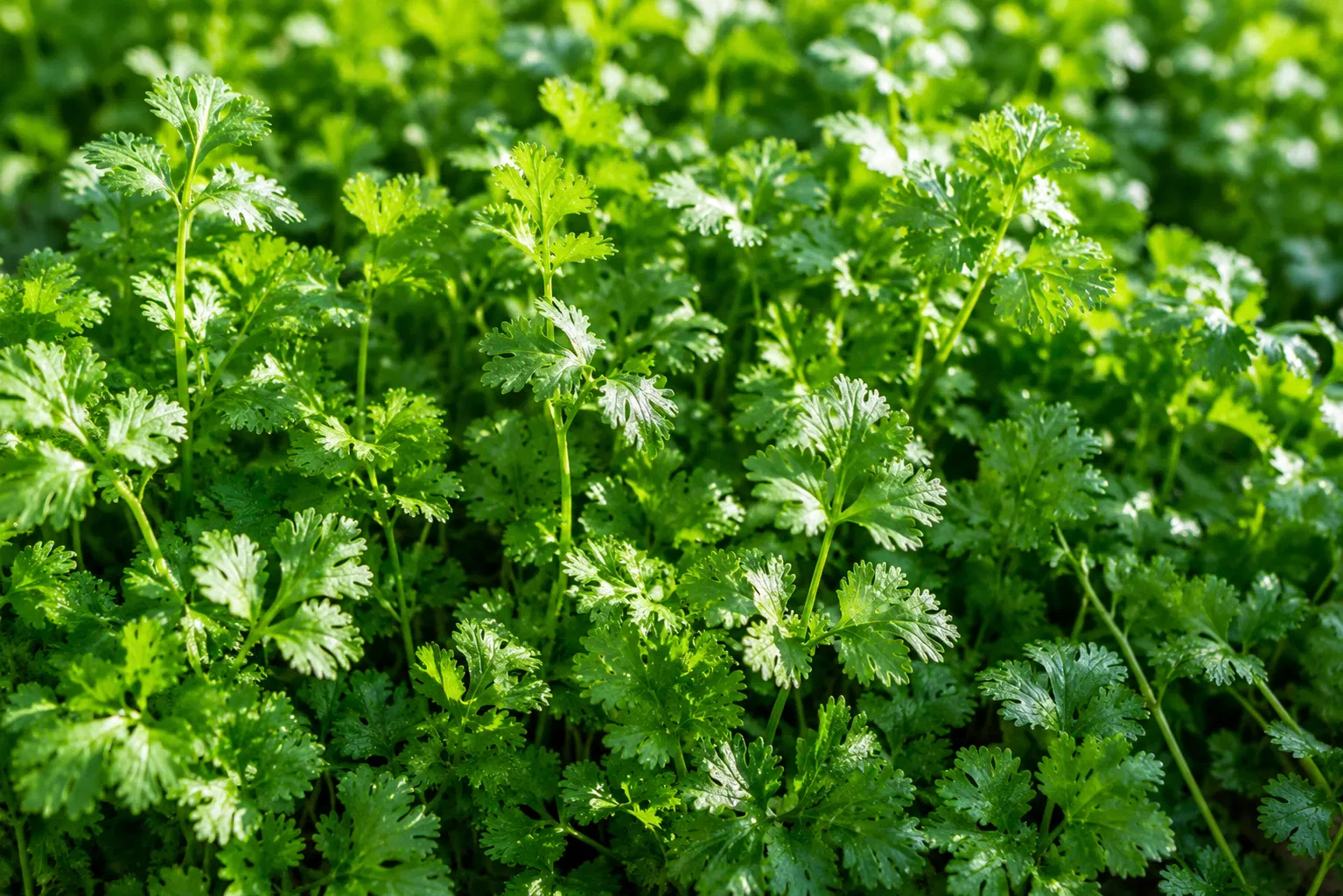
Coriander farming can be highly rewarding when you get the basics right from the start. Whether you are growing coriander for fresh leaves or seed production, success depends on one thing above all: careful crop management. The right seed rate, proper sowing technique, and smart leaf quality practices can make the difference between a sparse, weak crop and a lush, market-ready harvest.
In this guide, you'll learn how to prepare for coriander cultivation, how much seed to use, the best sowing methods, and practical tips to improve leaf quality and yield. If you want healthier plants and better returns, this is where to begin.
Why Coriander Farming Is a Smart Crop Choice
Coriander, also known as cilantro in some markets, is a fast-growing herb widely used in cooking, seasoning, and herbal applications. Farmers prefer it because it has a short duration, steady market demand, and good profit potential when managed properly.
For leaf production, coriander can be harvested multiple times, giving quick returns. For seed production, it offers value in the spice market. In both cases, crop quality depends heavily on sowing time, spacing, moisture management, and nutrient balance.
Best Climate and Soil for Coriander
Coriander grows best in cool, dry weather. High temperatures during early growth can reduce germination and encourage premature flowering, which lowers leaf quality. The ideal temperature range is moderate, with plenty of sunlight and minimal humidity stress.
For soil, coriander prefers:
- Well-drained sandy loam or loam soil
- Soil pH between 6.2 and 8.0
- Organic matter-rich fields
- Good aeration and no waterlogging
Heavy clay soils should be avoided unless they are improved with compost, sand, and raised beds to support drainage.
Seed Rate for Coriander Farming
One of the most important decisions in coriander cultivation is seed rate. Using too little seed can lead to poor ground cover and lower yields, while too much seed causes overcrowding, weak plants, and poor leaf size. The right seed rate depends on whether you are growing for leaves or for seed.
Seed Rate for Leaf Production
For leafy coriander, the usual seed rate is:
- 15 to 25 kg per hectare for normal sowing
- 20 to 30 kg per hectare for dense leaf harvesting systems
This higher seed rate helps create a thicker stand, which is useful when the goal is fast leafy harvest. However, planting too densely can reduce airflow and increase disease pressure, so spacing still matters.
Seed Rate for Seed Production
For seed production, coriander needs more space for branching and flowering. A lower seed rate is recommended:
- 8 to 10 kg per hectare for seed crop
This allows each plant enough room to grow, develop umbels, and produce high-quality seeds.
Tip: Always adjust seed rate according to seed size, germination percentage, and local growing conditions. Treating seeds before sowing can also improve plant stand.
Seed Treatment Before Sowing
Before sowing, coriander seeds should be cleaned and treated to reduce disease risk and improve germination. Coriander seeds are actually small fruits containing two seeds, so gently splitting them before sowing can help speed up sprouting.
Useful seed treatment practices include:
- Soaking seeds in water for 12 to 24 hours before sowing
- Shade drying the seeds after soaking
- Treating seeds with recommended biofungicides or fungicides where needed
- Mixing with well-decomposed organic material for even distribution
Soaking helps soften the seed coat and improves germination uniformity, especially in dry conditions.
Best Sowing Time for Coriander
Timing matters a lot in coriander farming. Early sowing in favorable weather gives better vegetative growth and higher leaf quality. Coriander performs best when sown during cool seasons, particularly in regions with mild winters.
Generally, sowing should be done when:
- The weather is cool and dry
- Frost risk is minimal
- Soil moisture is available for germination
Late sowing often leads to faster bolting, smaller leaves, and reduced market value.
Sowing Methods for Better Crop Establishment
Proper sowing ensures uniform germination and healthy crop growth. Coriander can be sown by broadcasting, line sowing, or dibbling, but line sowing is usually the best option for commercial farming because it gives better spacing and easier crop management.
1. Line Sowing
In line sowing, seeds are placed in rows at a controlled spacing. This method is ideal for leaf quality and overall management.
Recommended spacing:
- 20 to 25 cm between rows for leafy harvest
- 30 cm or more between rows for seed production
Line sowing improves airflow, reduces disease spread, and makes weeding and irrigation easier.
2. Broadcasting
Broadcasting involves scattering seeds evenly across the field. It is simple and quick, but less precise. Plants may become overcrowded, and thinning is often needed later.
This method may be suitable for small plots or low-input cultivation, but it is not ideal if you want premium leaf quality.
3. Dibbling
Dibbling means placing seeds in small holes or pockets at fixed intervals. This method uses seed more efficiently and supports better spacing, especially for seed crops.
How Deep Should Coriander Be Sown?
Coriander seeds should not be sown too deep. A shallow sowing depth helps the seeds emerge quickly and uniformly.
- Ideal sowing depth: 1 to 2 cm
If the seeds are buried too deep, emergence becomes slow and uneven. If they are too shallow, they may dry out or be washed away during irrigation.
Soil Preparation for Healthy Growth
Good soil preparation is essential for strong coriander stands. The land should be ploughed well and leveled before sowing. Add organic manure or compost during final land preparation to improve soil structure and nutrient availability.
Soil preparation steps:
- Plough the field 2 to 3 times to break clods
- Remove weeds and crop residues
- Incorporate compost or farmyard manure
- Level the field for uniform irrigation
- Create beds or rows depending on the sowing method
Well-prepared soil supports better root growth and more uniform crop establishment.
Leaf Quality Tips for Coriander
Leaf quality determines market value in coriander farming. Fresh, green, aromatic, tender leaves are always in demand. To achieve this, you need to manage plant density, nutrition, water, and harvest timing carefully.
1. Avoid Overcrowding
Too many plants in a small area lead to thin stems, poor leaf size, and increased disease pressure. Maintain proper spacing to allow light penetration and airflow.
2. Use Balanced Nutrients
Coriander needs balanced fertilization for leafy growth. Excess nitrogen may produce soft, watery leaves and poor flavor, while insufficient nutrients reduce growth and leaf size.
Focus on:
- Well-rotted compost or FYM before sowing
- Balanced nitrogen, phosphorus, and potassium based on soil test results
- Micronutrient support if deficiency symptoms appear
3. Maintain Even Moisture
Irregular watering can make leaves tough, bitter, or prone to early bolting. Keep the soil consistently moist but never waterlogged. Light irrigation is better than heavy flooding.
4. Control Weeds Early
Weeds compete for nutrients and moisture, reducing coriander leaf yield and quality. Remove weeds during the early stages when the crop is still small. Shallow weeding is preferred to avoid root damage.
5. Harvest at the Right Stage
For best leaf quality, harvest coriander when the plants are tender and fully developed but before flowering starts. Early harvesting encourages fresh regrowth and maintains aroma and texture.
Best practice: Harvest in the early morning when leaves are cool and turgid. This helps preserve freshness and market appearance.
Common Mistakes to Avoid
Many coriander growers lose quality and yield because of avoidable mistakes. Watch out for these common errors:
- Sowing too densely or too sparsely
- Using poor-quality or old seed
- Planting at the wrong time of year
- Overwatering or allowing water stagnation
- Ignoring weed control during early growth
- Delaying harvest until after bolting begins
Avoiding these problems can significantly improve both yield and leaf quality.
Conclusion
Successful coriander farming starts with the right seed rate, careful sowing, and strong attention to leaf quality. If you choose the proper planting method, maintain ideal spacing, manage moisture well, and harvest at the right time, you can grow a crop that looks better, smells fresher, and sells for more.
Whether you are growing coriander for home use or commercial production, small improvements in field management can lead to big results. Start with good seed, sow smartly, and focus on healthy, tender leaves—and your coriander crop will reward you with better quality and higher returns.