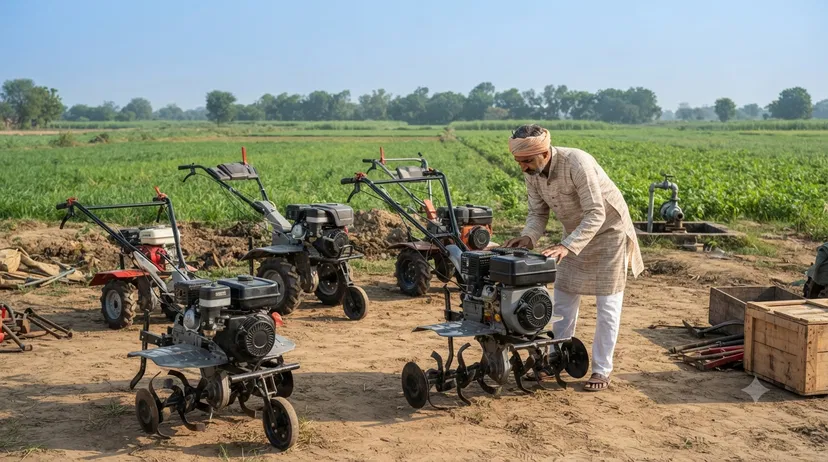
Choosing the right grass cutter can make the difference between a quick, satisfying mow and a frustrating weekend chore. The best grass cutter for your needs depends on your lawn size, terrain, budget, and how much effort you want to put into maintenance. Whether you need a compact trimmer for small touch-ups or a powerful lawn mower for a larger yard, the right choice will save time, improve results, and make lawn care easier.
Why the Right Grass Cutter Matters
A grass cutter is more than just a tool for trimming your yard. It affects the health of your lawn, the quality of the cut, and even how much energy you spend maintaining your outdoor space. A poorly chosen model can leave uneven patches, struggle on slopes, or wear you out before the job is done.
By selecting the right grass cutter, you can achieve a cleaner cut, reduce maintenance headaches, and keep your lawn looking neat with less effort. That is why it is important to compare your options carefully before buying.
Understand the Different Types of Grass Cutters
Before you buy, it helps to know the main types of grass cutters available. Each one is designed for a different purpose.
Push Mowers
Push mowers are a classic choice for small to medium lawns. They are simple, reliable, and often more affordable than other options. Manual push mowers are eco-friendly and quiet, while gas or electric versions offer more cutting power.
Self-Propelled Mowers
Self-propelled mowers reduce the effort needed to move the machine across your yard. They are a smart option if your lawn is uneven, sloped, or large enough to make pushing tiring.
Ride-On Mowers
If you have a large property, a ride-on mower can save significant time and energy. These are ideal for expansive lawns and are especially helpful if mowing regularly would otherwise take hours.
String Trimmers and Brush Cutters
These grass cutters are best for edges, tight corners, and areas that a mower cannot easily reach. Brush cutters are also useful for thicker grass, weeds, and overgrown patches.
Consider Your Lawn Size
Your lawn size is one of the most important factors when choosing the right grass cutter. A small yard does not require the same equipment as a large property.
- Small lawns: Manual reel mowers, compact electric mowers, or lightweight trimmers often work well.
- Medium lawns: Electric or gas push mowers and self-propelled mowers are usually the best fit.
- Large lawns: Ride-on mowers or high-powered self-propelled models are often more practical.
If you buy a machine that is too small, you may end up spending too much time mowing. If you buy one that is too large, you may waste money and struggle with storage or maneuverability.
Match the Grass Cutter to Your Terrain
Not all lawns are flat and easy to navigate. Slopes, bumps, garden beds, and narrow paths all influence which grass cutter will work best.
Flat yards are easier to manage with almost any mower, giving you more flexibility in your choice. Sloped terrain often benefits from self-propelled mowers or lightweight battery-powered models. If your yard has rough or overgrown areas, a brush cutter or more powerful gas model may be necessary.
The best grass cutter is not always the most powerful one; it is the one that fits your yard’s unique conditions.
Choose Between Gas, Electric, and Battery-Powered Models
Power source plays a major role in performance, convenience, and upkeep. Each type has clear advantages.
Gas Grass Cutters
Gas-powered models are known for strong performance and longer runtime. They are a solid choice for large lawns and thicker grass. However, they require more maintenance, create more noise, and produce emissions.
Electric Corded Grass Cutters
Corded electric models are lightweight, easy to use, and low-maintenance. They are best for small lawns where access to a power outlet is not an issue. The main limitation is the cord, which can restrict movement.
Battery-Powered Grass Cutters
Battery-powered models offer excellent convenience and mobility. They are quieter than gas options and easier to start. Modern battery technology has improved runtime, making them a practical option for many homeowners. For larger lawns, check battery life carefully before buying.
Look at Cutting Width and Height Adjustability
The cutting width determines how much grass the machine cuts in one pass. A wider cutting deck covers more area quickly, which is helpful for large lawns. A narrower deck offers better control in tight spaces.
Height adjustability is equally important. Different grass types and seasons require different cutting heights. A good grass cutter should let you easily change the blade height to keep your lawn healthy and attractive.
- Wide cutting width: Faster mowing for larger yards
- Narrow cutting width: Better maneuverability in small or landscaped spaces
- Multiple height settings: More control over lawn appearance and grass health
Think About Comfort and Ease of Use
A grass cutter should make yard work easier, not more difficult. Features that improve comfort and handling can make a big difference, especially if you mow often.
- Adjustable handles: Reduce strain and improve posture
- Lightweight design: Easier to maneuver and store
- Easy start systems: Save time and frustration
- Ergonomic controls: Improve comfort during longer mowing sessions
If possible, test the machine before buying or read customer reviews that mention handling and comfort. A tool that feels good to use is more likely to get regular use.
Don’t Ignore Maintenance Requirements
Different grass cutters come with different maintenance demands. Gas models usually require more upkeep, including oil changes, spark plug replacement, air filter cleaning, and fuel storage. Electric and battery-powered options are often simpler to maintain.
Ask yourself how much time you are willing to spend on routine care. If you want a low-maintenance solution, a corded or battery-powered grass cutter may be the best fit. If you need heavy-duty power and do not mind regular servicing, gas may still be the better choice.
Set a Realistic Budget
Price matters, but the cheapest option is not always the best value. Consider the long-term cost of ownership, including fuel, batteries, replacement parts, and maintenance.
- Budget models: Good for small lawns and occasional use
- Mid-range models: Often provide the best balance of features and performance
- Premium models: Better for large properties, frequent mowing, and demanding terrain
Investing in the right grass cutter upfront can help you avoid replacements, repairs, and unnecessary frustration later.
Safety Features to Look For
Safety should always be part of your buying decision. Look for features that protect you during operation and reduce the risk of accidents.
- Blade brake systems: Stop the blades quickly when needed
- Safety switches: Help prevent accidental startups
- Sturdy guards: Reduce debris-related injuries
- Good visibility: Helps you mow safely around obstacles
A reliable grass cutter should help you work efficiently while keeping safety front and center.
Final Tips for Choosing the Right Grass Cutter
When comparing grass cutters, focus on your actual needs instead of the most advanced features. A machine that suits your lawn size, terrain, and mowing habits will always outperform one that looks impressive but does not fit your routine.
Before making a final decision, ask yourself these questions:
- How large is my lawn?
- Is my terrain flat, sloped, or uneven?
- Do I want gas, electric, or battery power?
- How often will I mow?
- How much maintenance am I willing to do?
Conclusion
Choosing the right grass cutter does not have to be complicated. Once you understand your lawn size, terrain, power preferences, and comfort needs, the best option becomes much easier to identify. The right machine will help you mow faster, reduce effort, and keep your lawn looking its best all season long.
If you are ready to upgrade your lawn care routine, take time to compare models carefully and choose the grass cutter that truly matches your needs.