Few things are more frustrating than growing beautiful capsicum plants only to find the fruit splitting, rotting, or developing pale, sunken patches. Capsicum fruit rot and sunscald can ruin an otherwise productive harvest, but the good news is that both problems are usually preventable with the right growing practices. If your peppers are showing soft spots, dark lesions, or bleached areas on exposed fruit, it’s time to identify the cause and act fast.
What Is Capsicum Fruit Rot?
Capsicum fruit rot refers to the breakdown of pepper fruit caused by fungi, bacteria, or environmental stress. It often starts as small spots, soft patches, or water-soaked areas and can spread quickly, especially in warm, wet conditions. Once the fruit begins to decay, it usually becomes unmarketable and may even attract pests.
Common types of fruit rot in capsicum include:
- Blossom end rot – a physiological disorder linked to calcium uptake issues and inconsistent watering
- Anthracnose – a fungal disease that causes sunken, dark lesions on ripe fruit
- Bacterial soft rot – a wet, foul-smelling decay that develops quickly in damaged fruit
- Secondary rot – decay that follows insect damage, cracking, or sunscald
What Is Sunscald on Capsicum Fruit?
Sunscald happens when pepper fruit is exposed to intense direct sunlight, especially after leaf loss or during extreme heat. The affected area often turns pale, white, or tan before becoming thin, leathery, and vulnerable to rot. Sunscalded fruit is not only unattractive, but it is also much more likely to develop fungal or bacterial infections afterward.
Key point: Sunscald weakens the fruit surface, and fruit rot often follows when pathogens enter the damaged tissue.
Main Causes of Capsicum Fruit Rot
1. Excess Moisture and Poor Drainage
Too much water around the roots can stress the plant and encourage disease-causing organisms. Heavy soil, overwatering, and poor drainage create conditions where capsicum fruit rot thrives.
2. Fungal and Bacterial Pathogens
Warm, humid weather encourages pathogens like anthracnose and soft rot bacteria. These organisms often enter through small wounds, cracked skin, or damaged tissue.
3. Insect Damage
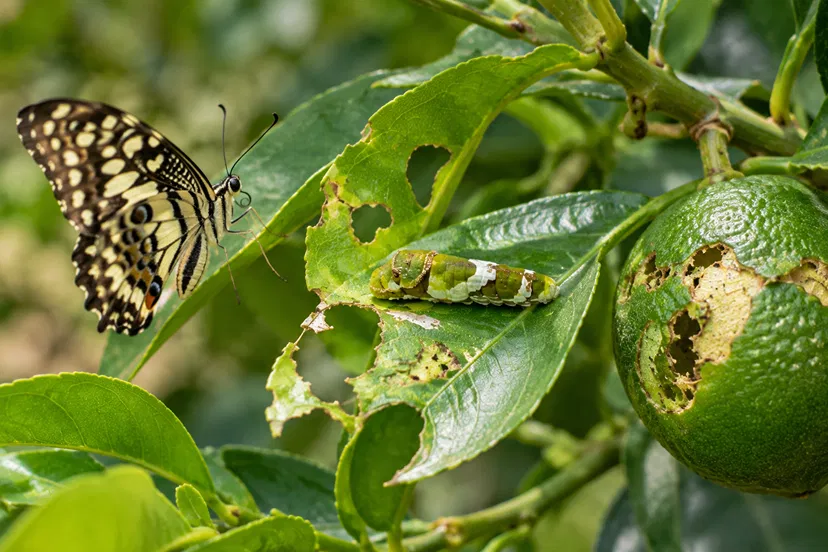
Insects such as pepper weevils, caterpillars, thrips, and aphids can puncture fruit or weaken the plant, opening the door for rot.
4. Fruit Cracking
Sudden changes in watering, especially after dry spells, can cause capsicum fruit to split. Cracks are ideal entry points for fungi and bacteria.
5. Nutrient Imbalances
Calcium deficiency or irregular nutrient uptake can contribute to blossom end rot and other quality problems. Even when calcium is present in the soil, inconsistent moisture can prevent the plant from absorbing it properly.
Main Causes of Sunscald on Capsicum Fruit
1. Loss of Leaf Cover
Leaves protect fruit from direct sun. When leaves are removed by pruning, disease, or pests, developing peppers become exposed and vulnerable.
2. Extreme Heat
High temperatures and intense sunlight can damage fruit skin, particularly in hot climates or during heat waves.
3. Improper Pruning
Over-pruning reduces natural shade within the plant canopy and increases the risk of sunscald.
4. Sudden Environmental Stress
Plants weakened by drought, transplant shock, or nutrient issues may drop foliage or fail to protect fruit adequately.
How to Prevent Capsicum Fruit Rot
Prevention begins with healthy growing conditions. Strong plants are far less likely to suffer from fruit rot, and small adjustments in care can make a major difference.
- Water consistently – Keep soil evenly moist, not soggy. Drip irrigation or soaker hoses are ideal.
- Improve drainage – Use raised beds or well-draining soil if your garden stays wet after rain.
- Mulch the soil – Organic mulch helps regulate moisture and reduces splash-up of disease spores.
- Avoid overhead watering – Wet foliage and fruit increase the risk of fungal and bacterial spread.
- Support plants – Staking or caging keeps fruit off the ground and improves air circulation.
- Remove damaged fruit – Pick off rotting peppers immediately to stop disease from spreading.
- Rotate crops – Avoid planting capsicum in the same spot year after year to reduce soilborne disease pressure.
How to Prevent Sunscald on Capsicum Fruit
Sunscald prevention is all about maintaining a healthy canopy and protecting fruit from direct exposure.
- Leave enough foliage to shade developing peppers naturally
- Use shade cloth during intense heat if your climate is very hot
- Water deeply and regularly to reduce stress and leaf drop
- Do not over-prune lower or middle branches unless necessary for disease control
- Harvest at the right stage if fruit is nearing maturity and extreme heat is expected
If a plant has already lost significant leaf cover, temporary shade protection can help prevent further damage to exposed fruit.
What to Do If Fruit Rot or Sunscald Has Already Started
Once damage appears, quick action can limit losses.
- Remove infected or badly damaged fruit from the plant and the ground
- Disinfect pruning tools after handling diseased plants
- Check watering habits and correct dry-wet cycles
- Inspect plants for insect activity or leaf loss
- Improve airflow by spacing plants properly
- Apply appropriate organic or labeled disease controls only when necessary
Fruit with minor sunscald may still be edible if the damaged area is cut away, but fruit with extensive rot should be discarded.
Best Growing Practices for Healthy Capsicum Fruit
Healthy capsicum plants are the best defense against both fruit rot and sunscald. Focus on building resilience from the start:
- Choose disease-resistant pepper varieties when available
- Plant in full sun but protect fruit from extreme afternoon heat in very hot regions
- Feed plants with balanced fertilizer, avoiding excess nitrogen that creates too much leafy growth and weak fruiting
- Space plants properly to reduce humidity around the canopy
- Monitor plants weekly for early signs of damage, pests, or disease
Consistency matters more than perfection. Even small improvements in watering, mulching, pruning, and airflow can dramatically reduce the risk of capsicum fruit rot and sunscald.
Conclusion
Capsicum fruit rot and sunscald are common pepper problems, but they are not inevitable. With steady watering, good soil drainage, smart pruning, and enough natural shade, you can protect your harvest from most damage. The earlier you spot the warning signs, the easier it is to stop the problem before it spreads.
Healthy peppers start with healthy growing habits. Keep your plants evenly watered, protect fruit from harsh sun, and remove damaged peppers quickly to enjoy a cleaner, bigger harvest all season long.