Choosing the right nitrogen fertilizer can make a major difference in acidic soils. If you apply the wrong source, you may end up wasting nutrients, increasing soil acidity, or reducing crop response. Two of the most commonly discussed options are CAN and urea, and each behaves differently once it reaches the soil.
For farmers, agronomists, and gardeners working with low-pH soils, the key question is simple: CAN vs urea for acidic soils—what is the better choice? The answer depends on soil conditions, crop needs, weather, timing, and your long-term soil management goals. Understanding how each fertilizer works will help you choose the right nitrogen source for stronger, more reliable results.
What Is CAN?
CAN stands for calcium ammonium nitrate. It is a nitrogen fertilizer that usually contains both ammonium nitrogen and nitrate nitrogen, along with calcium carbonate or dolomite in some formulations. This combination makes CAN especially useful in situations where quick crop uptake and reduced soil acidification matter.
Because CAN is less acidifying than urea, it is often favored in soils that are already acidic or at risk of becoming more acidic over time. It also supplies calcium, which can be beneficial for soil structure and plant health.
What Is Urea?
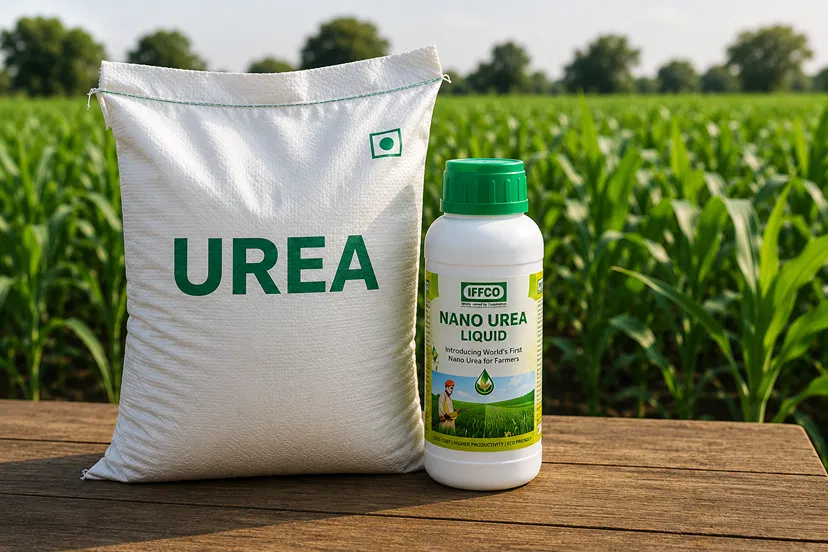
Urea is one of the most widely used nitrogen fertilizers in the world. It contains a very high concentration of nitrogen and is popular because it is economical, easy to transport, and effective when managed correctly.
However, urea must first convert to ammonium in the soil before plants can use it. This transformation can temporarily raise pH around the granule, and later the nitrification process can increase soil acidity overall. In acidic soils, this makes management more important.
CAN vs Urea in Acidic Soils: Key Differences
When comparing CAN vs urea for acidic soils, the biggest differences come down to soil reaction, nitrogen availability, and crop safety.
- Acidifying effect: Urea tends to contribute more to soil acidification over time than CAN.
- Nitrogen form: CAN provides both nitrate and ammonium nitrogen, while urea must convert before plants can use it.
- Speed of uptake: CAN usually offers faster early uptake because nitrate is immediately available.
- Loss risk: Urea can lose nitrogen through volatilization if not incorporated or watered in properly.
- Additional nutrients: CAN may supply calcium, which can be helpful in acidic soils.
Why Acidic Soils Need Careful Nitrogen Selection
Acidic soils already present challenges such as reduced nutrient availability, aluminum toxicity, and weaker microbial activity. Adding a fertilizer that further lowers pH can intensify these issues if liming and soil testing are not part of the plan.
That is why nitrogen fertilizer choice matters so much. In acidic conditions, the ideal product should deliver nitrogen efficiently without worsening soil chemistry too quickly. CAN often fits this role better than urea, especially where soil pH is already low.
In acidic soils, the best nitrogen fertilizer is not always the cheapest one—it is the one that protects yield while preserving soil health.
Advantages of CAN for Acidic Soils
CAN is often preferred in acidic soils because it combines practicality with soil-friendly performance. Here are the main advantages:
1. Lower Acidification Risk
CAN is less likely to drive soil pH down as aggressively as urea. This makes it a more suitable option where acidity is already a concern.
2. Faster Crop Response
Since CAN contains nitrate nitrogen, crops can absorb part of it immediately. This is especially useful during early growth stages or when quick green-up is needed.
3. Improved Reliability in Wet Conditions
CAN tends to perform well in cool, damp soils where urea conversion may be slower or less predictable. This can be a major advantage in spring applications.
4. Calcium Contribution
The calcium in CAN can support root development and help counter some effects of acidity, making it a useful option in soils that need more than just nitrogen.
Advantages of Urea for Acidic Soils
Urea is not without benefits. In some acidic soil programs, it can still be a strong choice if managed carefully.
1. Higher Nitrogen Concentration
Urea contains a high percentage of nitrogen, which makes it efficient to store, transport, and apply.
2. Lower Cost per Unit of Nitrogen
In many markets, urea is the most economical nitrogen source. For large-scale operations, this cost advantage can be significant.
3. Flexibility in Application
Urea can be used in many cropping systems and applied through broadcasting, banding, or fertigation, depending on equipment and management.
When CAN Is the Better Choice
CAN is often the better nitrogen fertilizer for acidic soils when one or more of the following conditions apply:
- The soil pH is already low and lime is not being applied immediately.
- Rapid nitrogen uptake is needed for early crop growth.
- You want to minimize further soil acidification.
- Weather conditions increase the risk of urea volatilization.
- Your crop benefits from calcium as an added nutrient.
For high-value crops, vegetables, pasture systems, and fields with chronic acidity, CAN may provide a more dependable return on investment.
When Urea Can Still Work Well
Urea can still be a good option in acidic soils if you apply it with the right management strategy. It may be suitable when:
- You plan to incorporate it into the soil soon after application.
- You have rainfall or irrigation to move it into the root zone.
- Soil testing shows acidity is being corrected with lime.
- You need a lower-cost nitrogen source for broad-acre production.
In these cases, urea may deliver strong results, especially if paired with proper timing and pH management.
Best Management Practices for Acidic Soils
Whether you choose CAN or urea, nitrogen efficiency improves when soil management is done well. These practices can help protect yield and reduce losses:
- Test the soil regularly: Know your pH, nutrient levels, and liming needs before selecting a fertilizer.
- Apply lime when needed: Liming acidic soils improves nutrient availability and reduces long-term problems.
- Match fertilizer to crop stage: Use faster-acting sources when immediate nitrogen demand is high.
- Avoid surface loss: Incorporate urea or apply before rainfall to reduce volatilization.
- Split applications: Smaller doses can improve nitrogen use efficiency and reduce leaching risk.
CAN vs Urea: Which Is the Right Nitrogen for Acidic Soils?
If your priority is protecting acidic soil from further pH decline, CAN is usually the safer choice. It offers immediate nitrate availability, better performance in challenging conditions, and less acidification pressure than urea.
If your priority is cost efficiency and you can manage application properly, urea can still perform well. The key is to avoid surface losses and support the soil with liming when needed.
In many acidic soil systems, the best approach is not choosing one fertilizer forever, but selecting the right source for the season, crop, and field condition.
Final Takeaway
When comparing CAN vs urea for acidic soils, CAN often wins on soil safety and immediate crop response, while urea wins on cost and nitrogen concentration. The right choice depends on how acidic your soil is, how quickly your crop needs nitrogen, and how well you can manage application.
If you want to protect soil health and reduce acidity-related stress, CAN is usually the better nitrogen fertilizer for acidic soils. If you want lower input cost and can apply carefully, urea remains a practical option. The smartest strategy is to start with soil testing, then choose the nitrogen source that fits both your crop and your soil.