If you grow fruits, vegetables, ornamentals, or other high-value crops, nutrient balance is everything. One fertilizer that consistently stands out in horticulture is calcium ammonium nitrate, often called CAN. It delivers fast nitrogen, supplies essential calcium, and supports healthy crop development without the harsh effects that some fertilizers can cause. For growers looking to improve plant vigor, fruit quality, and overall yield, calcium ammonium nitrate is a practical and effective choice.
What Is Calcium Ammonium Nitrate?
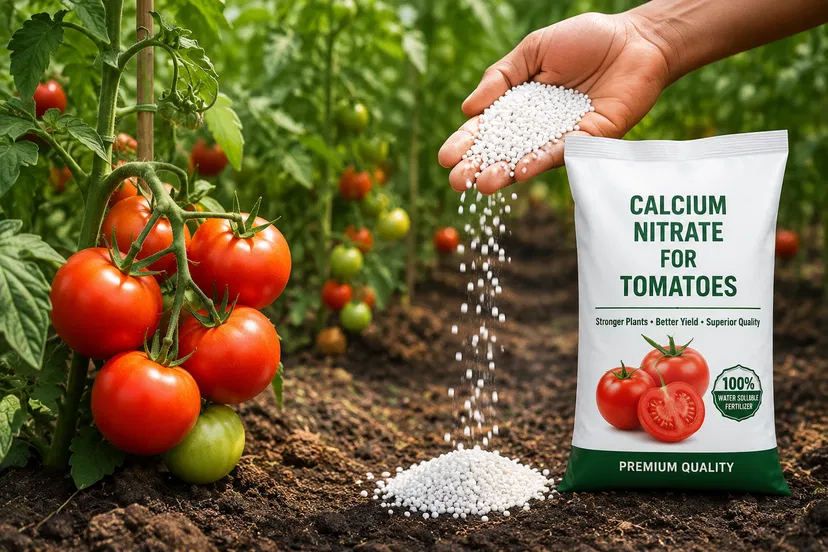
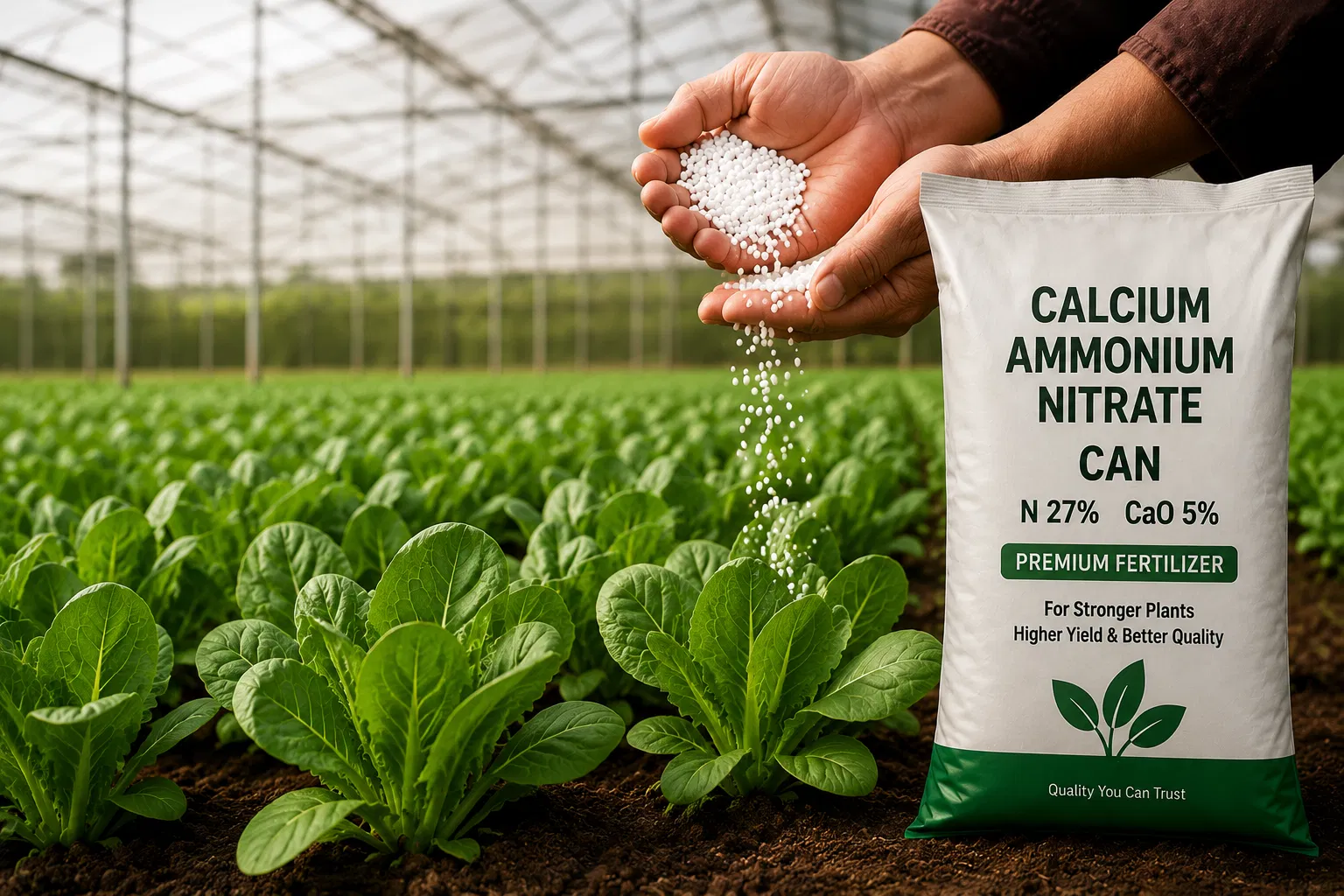
Calcium ammonium nitrate is a nitrogen fertilizer made by combining ammonium nitrate with calcium carbonate or calcium-containing materials. The result is a granular fertilizer that provides immediately available nitrogen along with calcium, a key secondary nutrient for plant structure and quality.
In horticulture, this combination matters because crops often need a steady nitrogen supply for growth and enough calcium to support strong cell walls, healthy roots, and quality produce. CAN helps meet both needs in one product.
Why Calcium Ammonium Nitrate Works So Well in Horticulture
Horticultural crops are often sensitive to nutrient deficiencies and inconsistent feeding. Calcium ammonium nitrate offers several advantages that make it especially useful in intensive production systems.
1. It Provides Fast and Reliable Nitrogen
Nitrogen is essential for leaf growth, chlorophyll production, and overall plant vigor. CAN delivers nitrogen in a form plants can absorb quickly, making it ideal when crops need an immediate boost. This is especially valuable during active vegetative growth, transplant recovery, and early fruit development.
Unlike some slow-release options, calcium ammonium nitrate helps growers respond quickly to crop demand, which can improve plant performance during critical growth stages.
2. It Supplies Calcium for Better Crop Quality
Calcium is vital for strengthening cell walls and improving tissue integrity. In horticulture, this can translate into better fruit firmness, reduced physiological disorders, stronger stems, and improved shelf life after harvest.
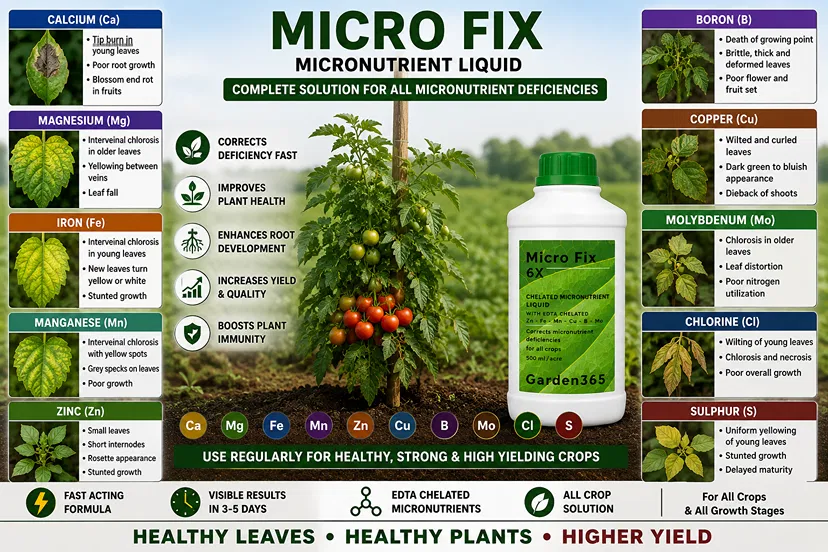
Many crops are prone to calcium-related problems such as:
- Blossom end rot in tomatoes and peppers
- Tip burn in leafy greens
- Internal browning in some fruits
- Weak post-harvest storage quality
By including calcium in the fertilizer program, growers can reduce these risks and support healthier, more marketable crops.
3. It Is Gentler Than Some Other Nitrogen Sources
Some nitrogen fertilizers can be too aggressive, especially in sensitive horticultural systems. Calcium ammonium nitrate is generally considered a safer option because it combines nitrate and ammonium nitrogen in a balanced way. This helps reduce the risk of crop stress while still supporting strong nutrient uptake.
Its calcium content also helps buffer acidity compared with more acid-forming nitrogen fertilizers, which can be beneficial in maintaining soil balance over time.
4. It Fits Well Into Fertigation and Split Applications
Horticulture often relies on precise nutrient management. CAN works well in systems that use regular top-dressing, side-dressing, or split applications. In many cases, it is also used in fertigation programs where nutrients are delivered through irrigation.
This flexibility makes it easier for growers to match fertilizer timing with crop demand, reducing waste and improving nutrient efficiency.
Benefits of Calcium Ammonium Nitrate for Different Horticulture Crops
Calcium ammonium nitrate is useful across a wide range of horticultural crops. Its performance is especially noticeable in crops where quality and appearance are just as important as yield.
Vegetables
Vegetable crops often have fast growth rates and high nutrient demand. CAN supports strong leaf development, root growth, and fruit formation. Crops such as tomatoes, peppers, lettuce, cabbage, cucumber, and potatoes can benefit from consistent nitrogen and calcium supply.
For leafy vegetables, calcium helps reduce tip burn and improves market quality. For fruiting vegetables, it supports firmness and reduces disorders linked to calcium shortage.
Fruits
Fruit crops need balanced nutrition to support flowering, fruit set, sizing, and quality. Calcium ammonium nitrate can help maintain steady vegetative growth without pushing excessive soft growth, while calcium contributes to improved fruit firmness and storage life.
This makes CAN especially valuable in apples, strawberries, grapes, and stone fruits, where quality standards are high.
Ornamentals
In ornamental production, appearance is everything. Healthy foliage, strong stems, and vibrant growth are essential. CAN supports reliable growth while helping plants maintain structure and visual appeal. It is commonly used in bedding plants, container production, and greenhouse crops.
How Calcium Ammonium Nitrate Improves Nutrient Management
Efficient nutrient management is one of the biggest challenges in horticulture. Calcium ammonium nitrate helps simplify feeding programs because it combines two important nutrients in one product.
Balanced nutrition is often the difference between average crops and premium crops.
By supplying nitrogen and calcium together, growers can reduce the number of separate inputs needed, streamline application schedules, and better align fertilization with plant needs. This can improve both productivity and crop consistency.
Best Practices for Using Calcium Ammonium Nitrate
To get the best results, calcium ammonium nitrate should be used as part of a well-planned fertility program. Consider the following best practices:
- Test soil or substrate regularly to understand nutrient levels before application.
- Apply based on crop stage, especially during rapid vegetative growth or early fruit development.
- Use split applications to improve uptake and reduce nutrient loss.
- Pair with irrigation management to help nutrients move into the root zone effectively.
- Monitor crop response and adjust rates according to plant performance and environmental conditions.
Because every crop and growing system is different, fertilizer programs should always be tailored to local conditions, crop variety, and production goals.
Why Growers Prefer Calcium Ammonium Nitrate
Growers often choose calcium ammonium nitrate because it is practical, versatile, and results-driven. It supports vigorous growth without sacrificing quality, and it helps address two major crop needs at once. For horticulture operations focused on yield, appearance, shelf life, and consistency, that combination is hard to beat.
It is especially valuable when crop quality is closely tied to profitability. Better fruit firmness, stronger plants, and fewer nutrient-related disorders can make a significant difference in market outcomes.
Conclusion
Calcium ammonium nitrate is a highly effective fertilizer for horticulture crops because it delivers fast nitrogen, supplies essential calcium, and supports healthy, high-quality plant growth. Whether you grow vegetables, fruits, or ornamentals, CAN can play an important role in improving crop performance and reducing common nutrient problems.
If you want stronger plants, better yield potential, and premium crop quality, calcium ammonium nitrate deserves a place in your fertility program. The key is to apply it strategically, monitor crop needs closely, and use it as part of a balanced nutrition plan.
For growers aiming for consistent results in horticulture, CAN is more than just a fertilizer—it is a smart tool for producing healthier crops and better harvests.