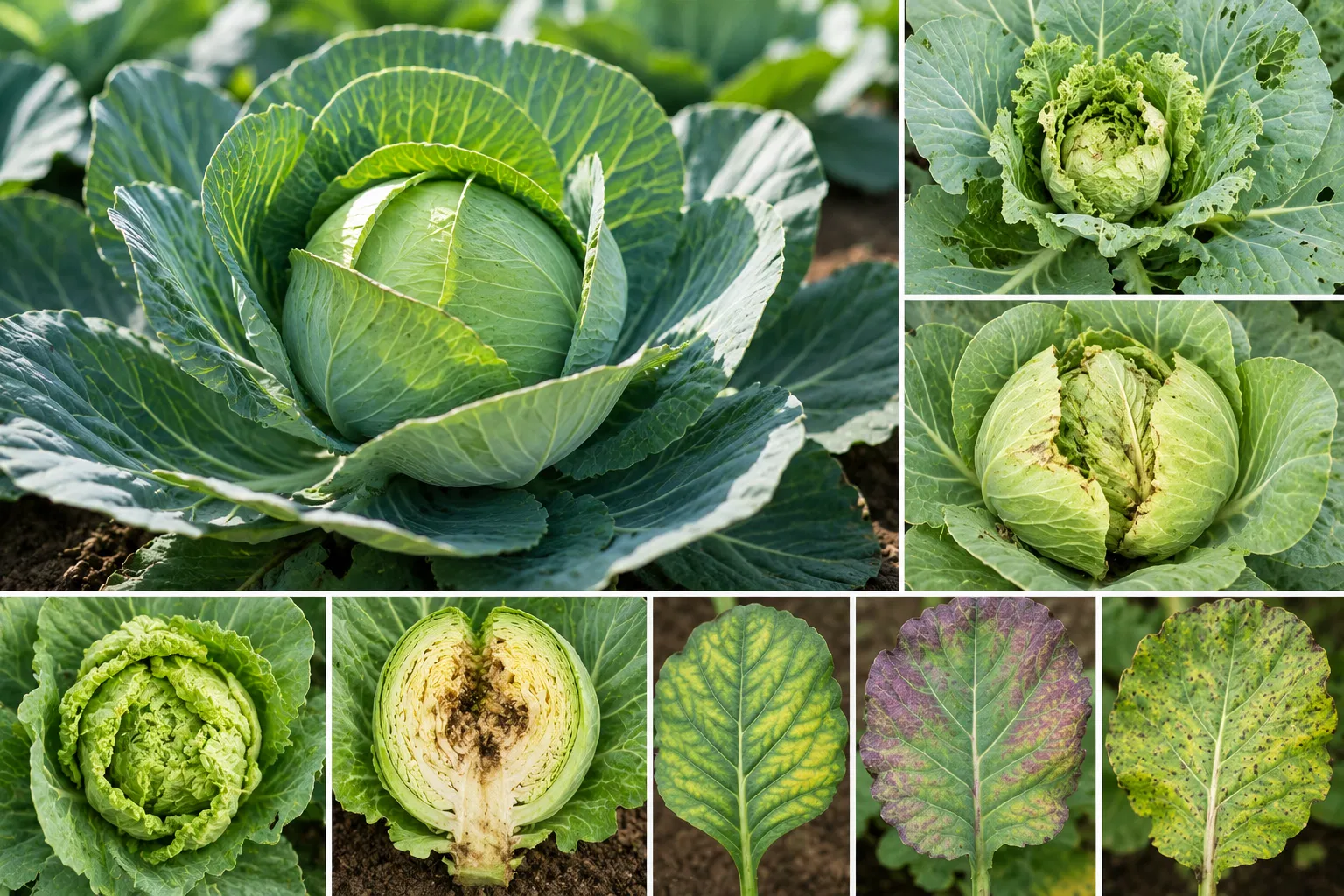
If your cabbage plants are growing big, leafy, and healthy-looking but never seem to form tight, firm heads, you are not alone. Cabbage head formation problems are common in home gardens and can be frustrating after weeks of care. The good news is that most cabbage heading issues come down to a few fixable factors: temperature, spacing, water stress, soil fertility, and nutrient balance.
Understanding why cabbage does not form a head is the first step to getting better results. In many cases, the plant is simply reacting to stressful growing conditions. Once you identify the cause, you can correct it and improve your chances of harvesting dense, well-formed cabbage heads.
Why Cabbage Heads Fail to Form
Cabbage is a cool-season crop that needs consistent growing conditions to develop properly. When something interrupts that process, the plant may keep producing loose outer leaves instead of forming a compact head.
1. Incorrect Temperature
Temperature is one of the biggest reasons cabbage head formation fails. Cabbage prefers cool weather, usually between 60°F and 70°F. If temperatures stay too high, the plant may slow down or stop heading altogether. Heat stress can also cause loose heads, splitting, or early bolting.
Common signs of heat stress:
- Loose or small heads
- Leaves fading or wilting in afternoon heat
- Premature flowering or bolting
2. Poor Spacing
Cabbage needs room to grow. When plants are crowded, they compete for light, water, and nutrients. This can prevent proper head development and lead to smaller, weaker plants.
Overcrowding also limits air circulation, which increases disease risk and stresses the crop further. Proper spacing is essential for healthy cabbage growth and head formation.
3. Irregular Watering
Cabbage needs steady moisture from planting through harvest. If the soil dries out too much, growth can stall. If watering is inconsistent, the plant may produce uneven or loose heads.
Dry soil periods followed by heavy watering can also trigger head splitting. Cabbage performs best when the soil stays evenly moist, not soggy.
4. Nutrient Imbalance
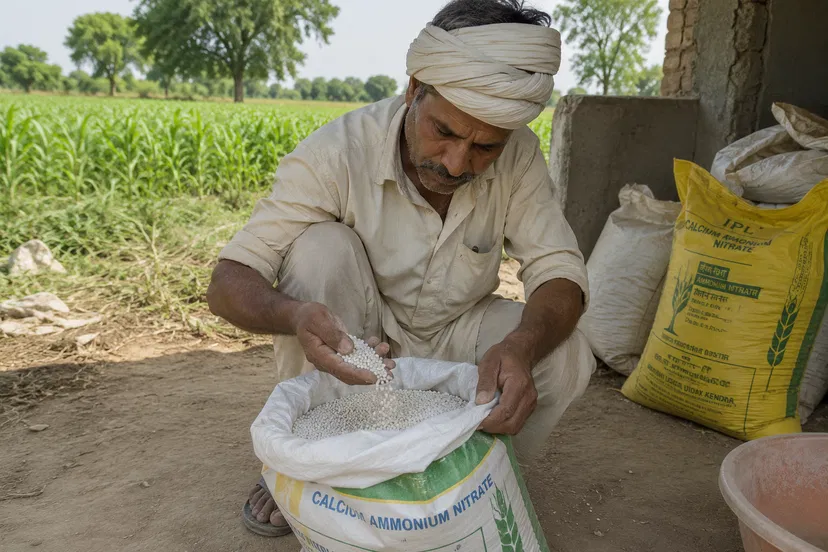
A lack of key nutrients can stop cabbage from heading well. Too much nitrogen can encourage large leafy growth without head formation. On the other hand, low phosphorus, potassium, calcium, or boron may weaken the plant and reduce quality.
Healthy cabbage needs balanced nutrition, not just lush green leaves.
Nutrition Guide for Better Cabbage Head Formation
Feeding cabbage correctly is one of the most effective ways to improve head development. The goal is to support strong early growth while avoiding excess nitrogen later in the season.
What Cabbage Needs Most
- Nitrogen: Supports early leafy growth, but too much can delay heading
- Phosphorus: Helps root development and overall plant strength
- Potassium: Supports water regulation and head quality
- Calcium: Important for cell strength and reducing tip burn
- Boron: Helps with proper head development and internal growth
How to Fertilize Cabbage Properly
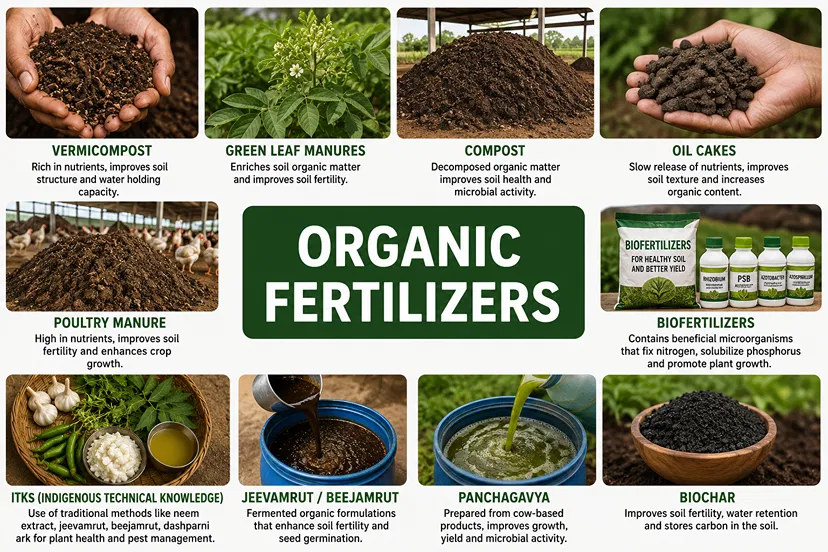
Start with rich, well-prepared soil before planting. Mix in compost or well-rotted manure to improve fertility and soil structure. Then use a balanced fertilizer at planting time and side-dress lightly as plants grow.
Best fertilizing practices:
- Test your soil before planting if possible.
- Use compost to build long-term fertility.
- Apply a balanced fertilizer at transplanting.
- Side-dress with a nitrogen source only if growth is pale or slow.
- Avoid overfeeding with nitrogen once the plant begins forming a head.
If your cabbage looks healthy but refuses to head, excess nitrogen may be the problem. In that case, reduce feeding and focus on balanced soil moisture and cool conditions.
Signs of Nutrient Deficiencies
Nutrient problems often show up in the leaves before they affect the head. Watch for these signs:
- Low nitrogen: Pale green leaves and slow growth
- Low phosphorus: Poor root growth and weak overall development
- Low potassium: Leaf edge browning or weak heads
- Low calcium: Leaf tip burn or distorted new growth
- Low boron: Hollow stems, poor head filling, or internal browning
Other Common Causes of Cabbage Head Problems
Not all heading issues are caused by nutrition. Several growing conditions can interfere with cabbage head formation.
1. Planting at the Wrong Time
Cabbage planted too late in warm weather may never get the cool conditions it needs to form a head. For best results, plant early enough so the crop matures during cooler temperatures.
2. Transplant Stress
Transplanting can shock cabbage seedlings, especially if roots are disturbed or plants are handled roughly. Strong transplants recover more quickly and begin heading sooner.
3. Pest Damage
Cabbage worms, aphids, flea beetles, and root pests can all weaken plants. If the outer leaves are heavily damaged, the plant may struggle to build enough energy for head formation.
4. Disease Pressure
Diseases such as clubroot, black rot, and downy mildew can reduce vigor and distort growth. A stressed plant is less likely to form a tight, healthy head.
Healthy cabbage heads begin with healthy plants. When growth is steady, balanced, and stress-free, the plant is far more likely to form a firm, compact head.
How to Fix Cabbage Head Formation Problems
If your cabbage is already in the ground and not heading properly, you may still be able to improve the harvest. Start by evaluating the growing environment.
Step 1: Check Temperature
If warm weather is the issue, there may be little you can do besides provide temporary shade and keep the plant evenly watered. For future plantings, choose the right season and cabbage variety for your climate.
Step 2: Improve Watering
Water deeply and consistently. Mulch around the base of the plants to help retain moisture and stabilize soil temperature. Avoid letting the soil swing from dry to saturated.
Step 3: Adjust Feeding
If you have been using high-nitrogen fertilizer, stop feeding heavily and shift toward balanced nutrition. Overfertilized cabbage often looks impressive but refuses to head.
Step 4: Thin or Transplant Crowded Plants
Give cabbage enough space if possible. Crowded plants rarely produce the best heads. Proper airflow and light exposure can make a significant difference.
Step 5: Manage Pests and Diseases
Inspect leaves regularly for damage, eggs, or discoloration. Remove affected leaves when needed and use appropriate organic or conventional controls to protect plant health.
Best Growing Practices for Firm Cabbage Heads
Prevention is always easier than correction. To encourage strong cabbage head formation from the start, follow these best practices:
- Plant in cool weather
- Use fertile, well-drained soil
- Maintain even moisture
- Space plants correctly
- Feed with balanced nutrients
- Protect plants from pests and disease
- Harvest at the right time before heads split
Choosing varieties suited to your growing season also matters. Some cabbage types mature faster and handle heat or cold better than others. Matching the variety to your climate can greatly improve results.
Conclusion
Cabbage head formation problems usually trace back to a handful of manageable issues: heat stress, poor spacing, irregular watering, nutrient imbalance, or pest and disease pressure. By giving cabbage cool conditions, steady moisture, proper spacing, and balanced nutrition, you can dramatically improve your chances of growing dense, flavorful heads.
If your cabbage is failing to head right now, don’t assume the crop is a loss. Check the growing conditions, correct what you can, and use what you learn to improve the next planting. With the right care, cabbage can be one of the most rewarding vegetables in the garden.