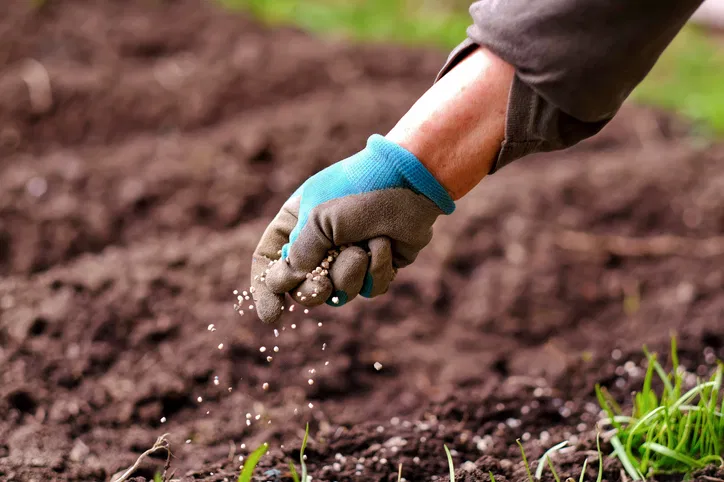
Germination isn't just about the seed and the soil — timing plays an equally large role. Every crop has a temperature and season window where its enzymes activate efficiently and its seedling can establish before facing stress from heat, cold, or excess moisture. Sowing outside that window is one of the most common, and most avoidable, reasons for poor germination. Here's how to think about sowing time properly.
Understand India's Three Growing Seasons
Most Indian crops fall into one of three broad sowing windows: kharif (roughly June–July, timed with the monsoon), rabi (October–November, for the cooler winter months), and zaid (March–June, a short summer season under irrigation). Sowing a rabi crop like carrot or spinach in peak kharif heat, or a kharif crop like okra in the depths of winter, generally results in poor, patchy germination regardless of how well everything else is managed.
Match Soil Temperature to the Crop
Beyond the broad season, soil temperature at sowing depth matters directly. Most vegetable seed germinates best between 20–30°C; below that range germination slows sharply, and well above it, germination can drop or the seed can rot before sprouting. Checking soil condition with a soil testing device before sowing — particularly early or late in a season — helps confirm conditions are actually suitable rather than just assuming the calendar date is enough.
Prepare the Seed Before Sowing
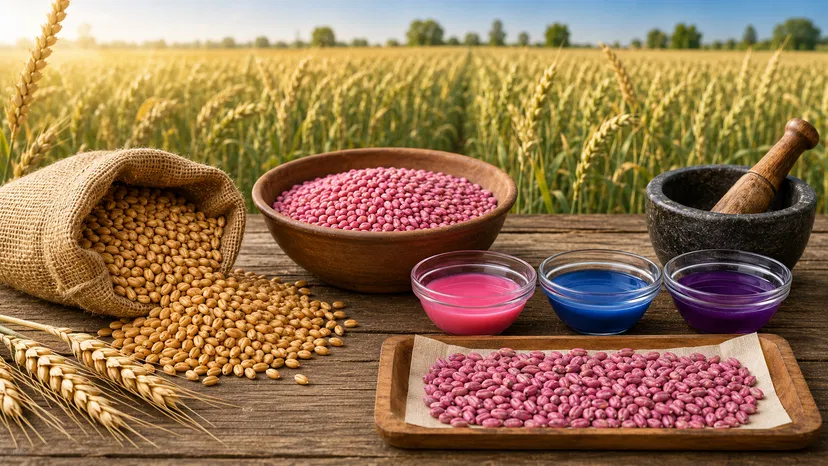
Regardless of timing, seed sown into untreated soil is more vulnerable to fungal rot during germination. A proper seed treatment protects seeds through this fragile early stage and is especially useful when sowing at the edges of a crop's ideal window, where germination is naturally slower and more exposed to stress.
Time Sowing Around Moisture, Not Just Temperature
Germinating seed needs consistent moisture, and sowing right before an expected dry spell — or right into waterlogged post-monsoon soil — undermines germination even when temperature is correct. Steady irrigation immediately after sowing, and a light layer of mulching where practical, helps keep surface moisture even through the first critical days.
Starting Early With Trays
If you want a head start before the outdoor season is quite ready — starting warm-season seedlings a few weeks ahead of the last cold spell, for instance — sowing into protrays under controlled conditions lets you begin germination early and transplant once outdoor conditions catch up, rather than waiting on the calendar alone.
Frequently Asked Questions
What happens if I sow seeds too early in the season?
Cold or unstable soil temperatures typically slow germination dramatically or cause seed to rot before sprouting, since the seed's enzymatic processes need a minimum temperature threshold to activate properly.
Can I sow seeds slightly outside their recommended season?
You can, but germination rates and seedling vigour usually decline the further you move outside the crop's ideal window — some flexibility exists, but it's not unlimited.
Does sowing time affect anything besides germination?
Yes — sowing time also influences pest and disease pressure, since many pathogens and insects are more active in specific temperature and humidity ranges, so correct timing indirectly reduces problems later in the crop's life too.