Bananas are heavy feeders, and if you want strong plants, large leaves, and high-quality fruit, fertilizer is not optional—it is essential. The best fertilizer for banana plants is one that delivers steady nitrogen for growth, phosphorus for root and flower development, and potassium for fruit fill, along with key micronutrients like magnesium and calcium. A well-planned banana plantation nutrition program can make the difference between average yields and a highly productive crop.
Whether you are growing bananas in a backyard, a small farm, or a commercial plantation, the right fertilizer strategy should support the plant from early establishment through flowering and bunch development. In this guide, you’ll learn exactly what banana plants need, which fertilizers work best, and how to build a complete nutrition plan for healthier plants and better harvests.
Why Banana Plants Need a Complete Nutrition Plan
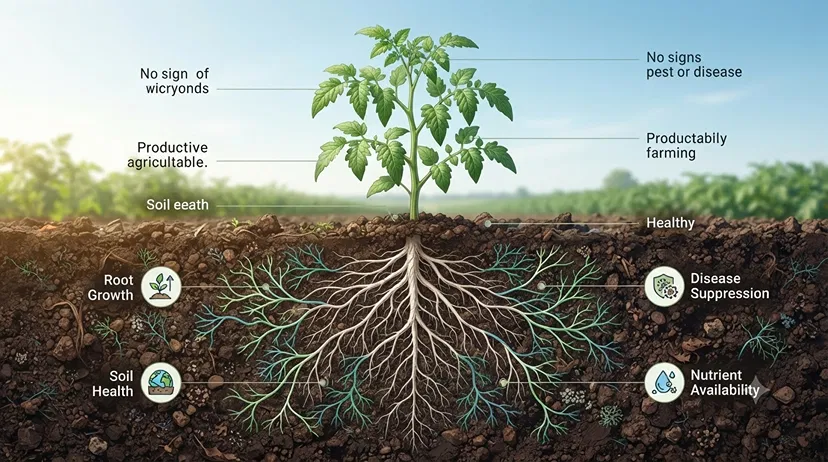
Banana plants grow fast, produce large biomass, and require a constant supply of nutrients. Because of this, a one-time fertilizer application is never enough. Bananas remove significant amounts of nutrients from the soil, especially potassium, and deficiencies can quickly reduce growth and yield.
A complete banana nutrition plan helps with:
- Rapid leaf and pseudostem growth
- Strong root establishment
- Better flowering and fruit development
- Improved bunch size and fruit quality
- Reduced risk of nutrient deficiency and stress
The Best Fertilizer for Banana Plantation
The best fertilizer for banana plantation is a balanced program that combines organic matter with a nutrient-rich NPK fertilizer. Bananas respond especially well to fertilizers high in potassium, moderate in nitrogen, and adequate in phosphorus.
A practical fertilizer approach often includes:
- Organic compost or farmyard manure to improve soil structure and microbial activity
- High-nitrogen fertilizer during early vegetative growth
- Potassium-rich fertilizer during flowering and fruiting
- Micronutrient supplements for magnesium, boron, zinc, and calcium
If you are looking for a single fertilizer type, a banana crop usually performs well with formulations such as 10-10-20, 12-6-22, or similar potassium-forward blends, depending on soil test results and plant stage.
Essential Nutrients for Banana Plants
Nitrogen
Nitrogen supports leafy growth, which is critical because banana plants need large, healthy leaves to produce enough energy for fruiting. Too little nitrogen results in pale leaves and weak growth, while too much can delay flowering.
Phosphorus
Phosphorus helps with root development and early establishment. It is especially important when planting suckers or tissue-cultured banana plants. Adequate phosphorus supports strong plant anchoring and better nutrient uptake.
Potassium
Potassium is the most important nutrient for banana fruit development. It improves bunch size, fruit quality, sweetness, and plant resistance to stress. Banana plants typically need more potassium than nitrogen or phosphorus during fruiting.
Magnesium
Magnesium is essential for photosynthesis. A deficiency often shows up as yellowing between the veins of older leaves. Since banana plants have a high leaf area, magnesium shortages can reduce productivity quickly.
Calcium
Calcium supports strong cell walls and healthy root growth. It also helps improve fruit quality and plant vigor. Calcium deficiency may cause weak growth and poor leaf health.
Micronutrients
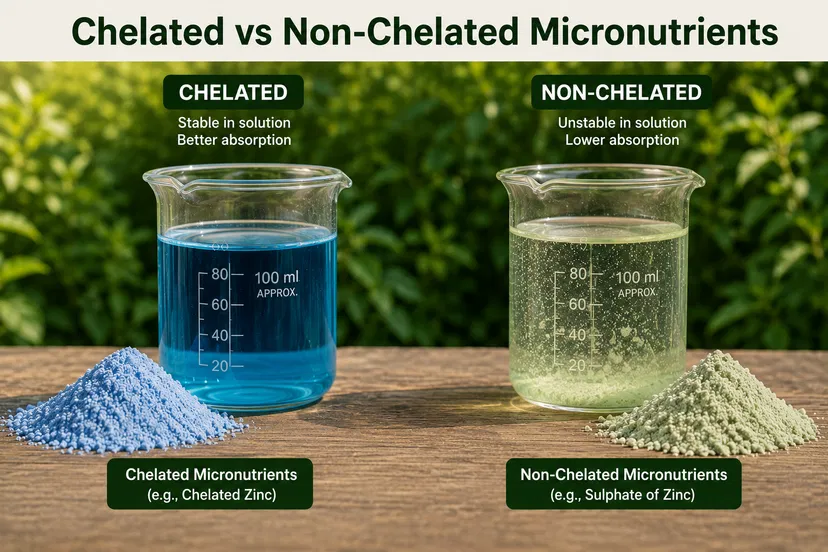
Bananas also need smaller amounts of zinc, boron, iron, and manganese. These nutrients are important for enzyme function, flowering, and overall plant health. Even small deficiencies can affect yield.
Best Fertilizer Types for Banana Crops
1. Organic Fertilizers
Organic fertilizers are excellent for banana plantations because they improve soil fertility over time. Compost, well-rotted manure, vermicompost, and green manure help increase soil organic matter and water retention.
- Compost: Boosts soil health and nutrient availability
- Farmyard manure: Provides slow-release nutrients
- Vermicompost: Enhances microbial activity and root health
2. Chemical or Inorganic Fertilizers
Chemical fertilizers provide quick, precise nutrition. They are often used in banana plantations for faster response and higher yield management. NPK blends are the most common choice, especially those with higher potassium content.
3. Water-Soluble Fertilizers
Water-soluble fertilizers are useful for fertigation or drip irrigation systems. They allow nutrients to be applied frequently in small amounts, which is ideal for banana plants with constant nutrient demand.
4. Foliar Feeds
Foliar sprays can correct minor nutrient deficiencies quickly. Magnesium, zinc, and boron sprays are often used when plants show visible deficiency symptoms or during critical growth stages.
For best results, use a soil test to guide your banana fertilizer program instead of relying on guesswork.
Banana Fertilizer Schedule by Growth Stage
At Planting
Before planting, incorporate compost or well-decomposed manure into the soil. Add a starter fertilizer with phosphorus to support root development. This helps young plants establish quickly.
- Organic manure or compost
- Phosphorus-rich starter fertilizer
- Soil amendment if needed based on pH
Vegetative Growth Stage
During early growth, banana plants need more nitrogen to build strong leaves and stems. Apply fertilizer in split doses to avoid nutrient loss and to maintain steady growth.
- Moderate nitrogen
- Balanced phosphorus
- Regular organic matter additions
Pre-Flowering Stage
As the plant approaches flowering, potassium demand increases. At this stage, shift the fertilizer program toward higher potassium to support bunch initiation and fruit formation.
- High potassium fertilizer
- Magnesium supplementation if needed
- Reduced excess nitrogen
Fruit Development Stage
Once the bunch is developing, potassium becomes the priority nutrient. Consistent feeding during this stage improves fruit size, weight, and quality.
- Potassium-rich fertilizer
- Calcium and magnesium support
- Micronutrient correction if deficiencies appear
How Often Should You Fertilize Banana Plants?
Banana plants perform best when fertilizer is applied in small, frequent doses rather than large single applications. In many plantation systems, feeding every 4 to 8 weeks works well, depending on soil type, rainfall, irrigation, and plant age.
Light, sandy soils may require more frequent feeding because nutrients leach faster. In contrast, heavier soils can hold nutrients longer but still need regular replenishment due to the banana plant’s high demand.
Signs of Nutrient Deficiency in Banana Plants
Watching for early deficiency symptoms helps prevent yield loss. Common signs include:
- Yellowing leaves: Often linked to nitrogen or magnesium deficiency
- Weak growth: May indicate phosphorus shortage
- Poor bunch filling: Usually associated with low potassium
- Leaf edge scorch: Can signal potassium or calcium problems
- Stunted plants: May be caused by multiple nutrient deficiencies
If symptoms appear, confirm with a soil or tissue test before applying corrective fertilizers.
Soil pH and Banana Fertility
Banana plants grow best in slightly acidic to neutral soil, usually around pH 5.5 to 7.0. If the soil is too acidic or too alkaline, nutrient availability drops and fertilizer efficiency declines. A good banana plantation nutrition plan should always consider soil pH correction through lime or other amendments if necessary.
Best Practices for Fertilizing Banana Plantations
- Use a soil test before choosing fertilizer
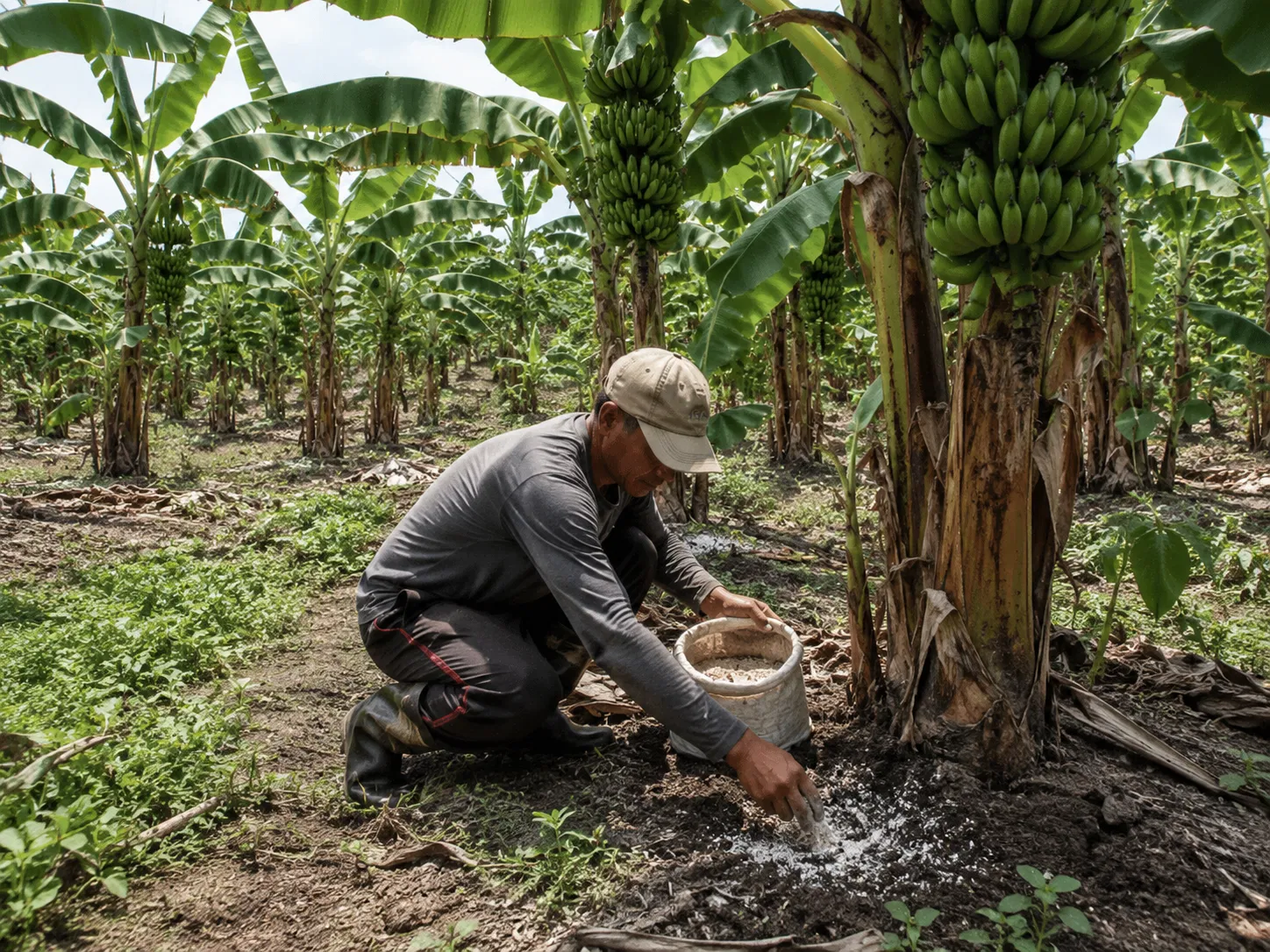
- Apply fertilizer in a ring around the plant, not directly against the stem
- Split fertilizer applications to improve uptake
- Combine organic matter with mineral fertilizers
- Maintain proper irrigation for nutrient absorption
- Mulch around plants to reduce nutrient loss and conserve moisture
These practices help banana roots absorb nutrients more efficiently and reduce waste from runoff or leaching.
Conclusion
The best fertilizer for banana plantation is not one product alone, but a complete nutrition plan built around soil health, balanced NPK, and timely nutrient management. Bananas need strong early growth, steady feeding, and a potassium-rich program during fruiting to produce large, healthy bunches.
If you want better banana yields, start with a soil test, add organic matter, and feed your plants in regular, stage-based applications. A thoughtful fertilizer strategy will reward you with stronger plants, better fruit quality, and more productive harvests season after season.