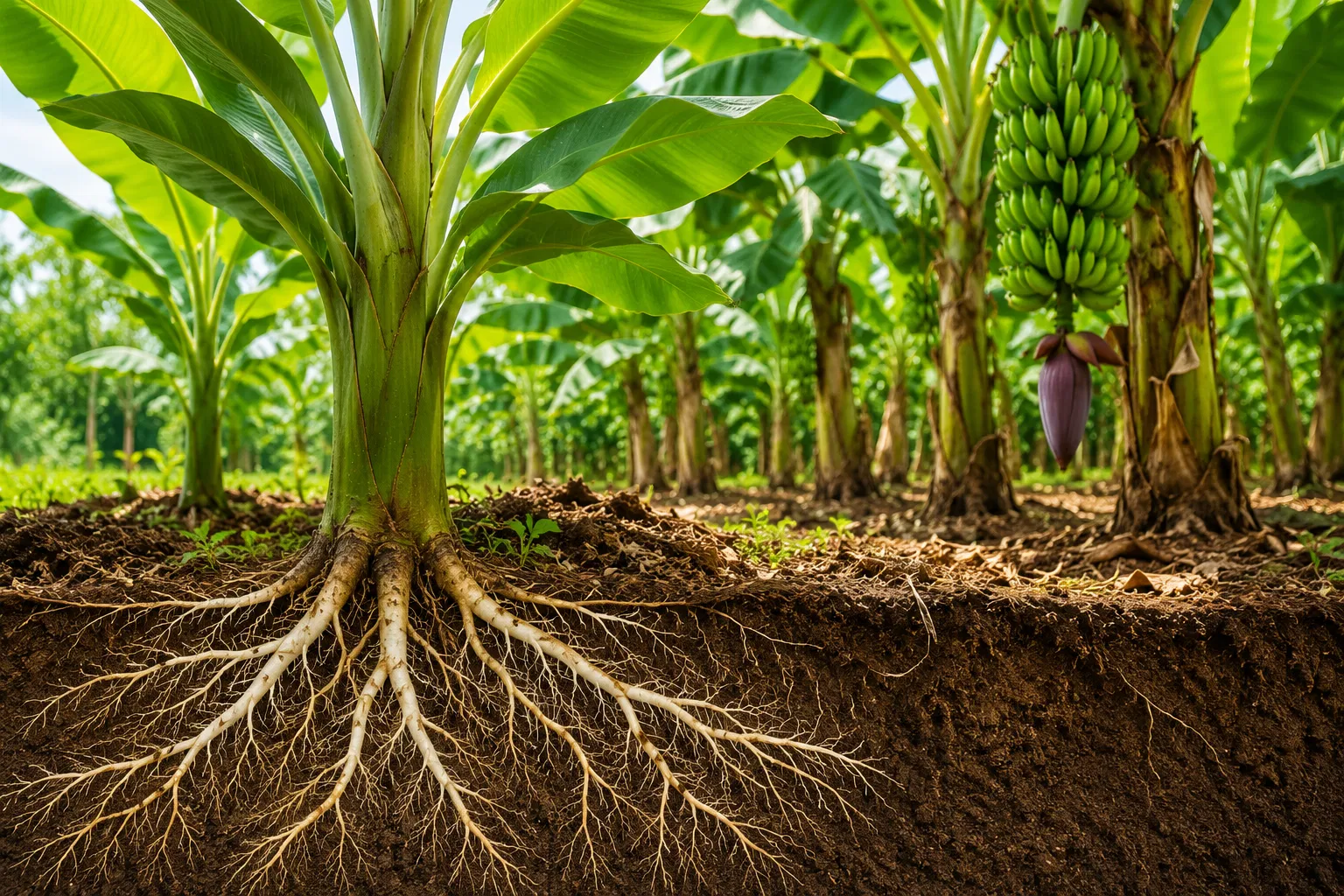
Healthy banana plants start below the surface. While lush leaves and heavy fruit clusters get most of the attention, the real foundation of productivity is the root system and the soil it grows in. If banana root growth is weak, the plant struggles to absorb water, take up nutrients, and stay upright under the weight of developing fruit. If soil health is poor, even the best banana variety will underperform.
Understanding banana root growth and soil health management is one of the smartest ways to improve banana production, whether you are growing a few plants at home or managing a larger plantation. The good news is that bananas respond quickly when the soil structure, moisture, and nutrition are managed correctly.
Why Banana Root Growth Matters
Banana roots are fibrous, shallow, and highly active in the topsoil. Unlike deep-rooted trees, bananas depend on a wide root spread near the surface to access oxygen, moisture, and nutrients. This makes them especially sensitive to soil condition.
Strong root growth supports:
- Better nutrient uptake
- Improved drought tolerance
- Stronger anchorage against wind
- Faster shoot development
- Higher fruit yield and quality
If roots are restricted by compaction, waterlogging, or low organic matter, the entire plant suffers. That is why soil health management is not optional in banana farming—it is central to plant performance.
Ideal Soil Conditions for Banana Root Development
Bananas grow best in deep, fertile, well-drained soils with high organic matter. The ideal soil should allow roots to spread easily while retaining enough moisture for steady growth.
Key soil requirements
- Good drainage: Banana roots need oxygen and cannot tolerate standing water for long periods.
- High organic matter: Organic matter improves soil structure, water retention, and microbial activity.
- Loose, friable texture: Roots grow more freely in soil that is not compacted.
- Balanced pH: A slightly acidic to neutral pH, usually around 5.5 to 7.0, supports nutrient availability.
- Reliable moisture: Soil should stay moist but not saturated.
Sandy soils may drain too quickly, while heavy clay soils may hold too much water. The best banana soils are often loamy and rich in composted organic material.
How Banana Roots Grow
Banana plants develop a dense root system from the corm, or underground stem base. These roots spread outward in all directions and are concentrated mostly in the upper soil layers. Most active feeder roots are found within the top 30 to 60 centimeters of soil, where nutrients and moisture are most accessible.
Because banana roots are shallow, they are vulnerable to:
- Soil compaction from machinery or foot traffic
- Water stress during dry periods
- Root rot from poor drainage
- Nutrient deficiencies caused by poor soil fertility
Healthy root growth is visible above ground. Plants with strong roots usually produce larger leaves, thicker pseudostems, and more vigorous suckers.
Soil Health Practices That Support Banana Root Growth
1. Add organic matter regularly
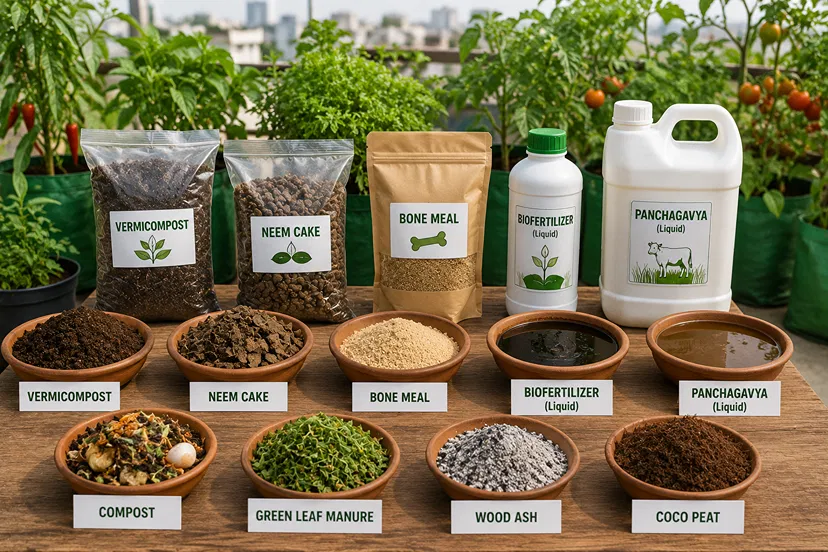
Organic matter is one of the most effective tools for improving banana root growth. Compost, well-rotted manure, green manure, and mulch all help create a better root environment.
Benefits of organic matter include:
- Improved soil structure
- Better moisture retention
- Increased microbial activity
- Steadier nutrient release
- Reduced soil erosion
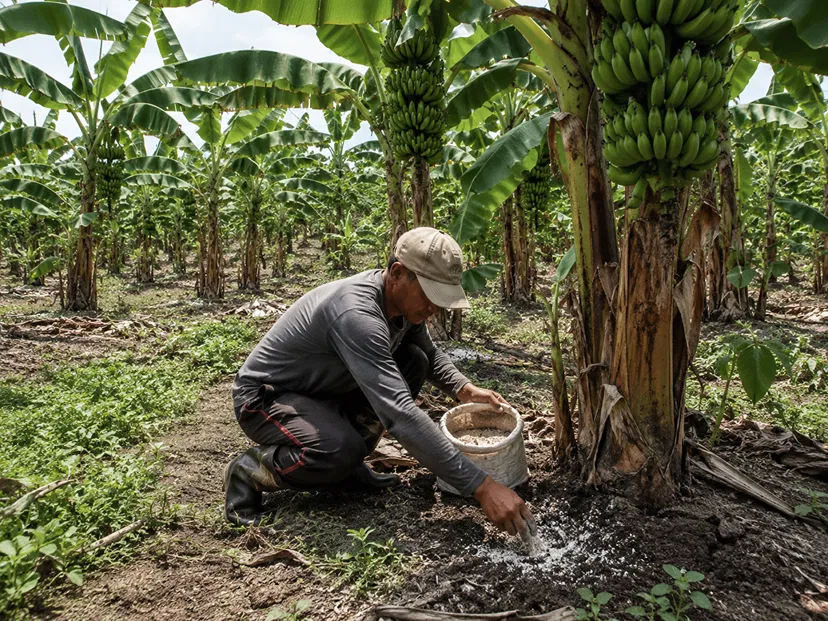
Applying organic material around the base of the plant, while keeping it slightly away from direct stem contact, helps feed the soil and protect root zones.
2. Use mulch to stabilize moisture and temperature
Mulching is especially valuable for banana root health. A thick layer of dry grass, banana leaves, chopped plant residues, or other organic mulch helps moderate soil temperature and reduce evaporation.
Mulch also:
- Suppresses weeds that compete for nutrients
- Protects the soil from heavy rain impact
- Encourages earthworms and beneficial microbes
- Keeps shallow banana roots from drying out
Apply mulch generously, but avoid piling it directly against the pseudostem to reduce the risk of rot.
3. Prevent soil compaction
Compacted soil restricts air, water, and root movement. For bananas, this can severely limit growth because their roots need loose soil to spread.
To reduce compaction:
- Avoid heavy machinery near banana beds
- Minimize repeated foot traffic in wet areas
- Use raised beds or mounds in poorly drained sites
- Loosen soil carefully before planting
When the soil is compacted, feeder roots have difficulty expanding, and the plant becomes less efficient at taking up nutrients.
4. Manage water carefully
Bananas need consistent moisture, but excess water can quickly damage roots. Waterlogged soil cuts off oxygen and encourages fungal diseases, including root rot.
Best irrigation practices include:
- Water deeply and regularly during dry periods.
- Ensure the planting area drains well after heavy rain.
- Use drip irrigation or other efficient systems where possible.
- Adjust watering based on rainfall, soil type, and plant size.
Healthy banana root growth depends on balance: moist soil, not soggy soil.
5. Correct soil pH and nutrient imbalances
Soil pH affects how easily bananas can absorb nutrients. When pH is too high or too low, certain nutrients become unavailable even if they are present in the soil.
Regular soil testing helps identify deficiencies before they affect growth. Bananas often need adequate:
- Nitrogen for leaf and vegetative growth
- Potassium for fruit development and plant strength
- Phosphorus for root establishment
- Magnesium for healthy photosynthesis
- Calcium for cell structure and root function
Balanced fertilization should be based on soil test results and plant stage, rather than guesswork. Overfertilizing can damage roots, while underfertilizing slows growth.
Common Soil Problems That Hurt Banana Roots
Several soil-related issues can reduce banana root performance and limit yield. Recognizing these early can prevent long-term damage.
Root rot
Root rot is often caused by excess moisture and poor drainage. Symptoms may include yellowing leaves, stunted growth, and a weak plant base. Improving drainage is the first step in prevention.
Nutrient deficiency
Poor soil fertility can lead to small leaves, slow growth, and poor fruiting. A nutrient management plan based on soil tests helps avoid this problem.
Soil erosion
On sloped land, topsoil can wash away, taking organic matter and nutrients with it. Terracing, contour planting, cover crops, and mulching can reduce erosion.
Weed competition
Weeds steal water and nutrients from banana roots, especially during the early growth stage. Keep the root zone clean while avoiding deep cultivation that may damage shallow roots.
In banana production, the best fertilizer program and irrigation schedule will only work well if the root zone is healthy first.
Best Practices for Long-Term Banana Soil Health
Soil health is not a one-time fix. It improves over time when the right practices are repeated consistently.
- Rotate or intercrop wisely: Use compatible cover crops that improve soil cover and organic matter.
- Recycle plant residues: Chop and return healthy banana residues to the soil when appropriate.
- Test soil regularly: Monitor pH, fertility, and organic matter levels.
- Protect the root zone: Reduce disturbance and maintain mulch cover.
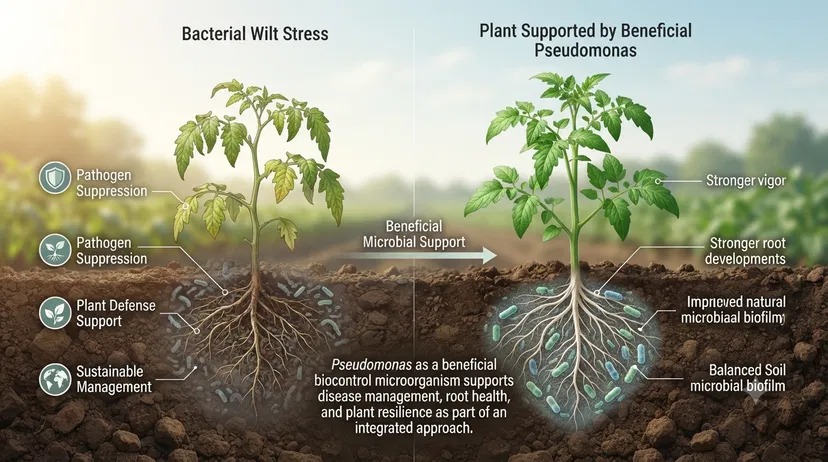
- Encourage soil biology: Healthy microbes and earthworms support nutrient cycling and root vigor.
These practices help create a living soil that supports banana plants season after season.
Conclusion
Banana root growth and soil health management go hand in hand. When the soil is well-structured, rich in organic matter, properly drained, and carefully managed for moisture and nutrients, banana roots can thrive. And when the roots thrive, the entire plant becomes more productive, resilient, and profitable.
If you want stronger banana plants and better yields, start beneath the surface. Improve the soil, protect the root zone, and manage water and nutrients with consistency. Healthy roots are the foundation of healthy bananas.
Take action today: test your soil, add organic matter, improve drainage, and mulch your banana plants for long-term success.