Anthracnose in tomato tends to show up right when the crop looks closest to harvest, turning ripening and ripe fruit into a loss at the worst possible stage. It spreads fastest in warm, humid weather and can quietly build up in the field before the first visible spot appears, making a preventive spray schedule far more effective than waiting to react.
Signs to Watch For
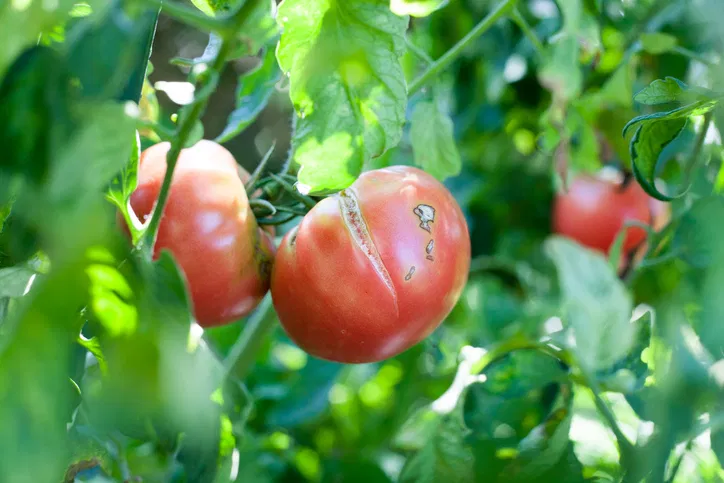
- Small, sunken, circular spots on ripe or ripening fruit, often starting as a light, water-soaked patch.
- Spots that darken and enlarge, sometimes showing faint concentric rings as they grow.
- Pink or orange spore masses visible in the center of older lesions, especially in humid conditions.
- Multiple lesions merging on a single fruit, leading to soft, sunken rot.
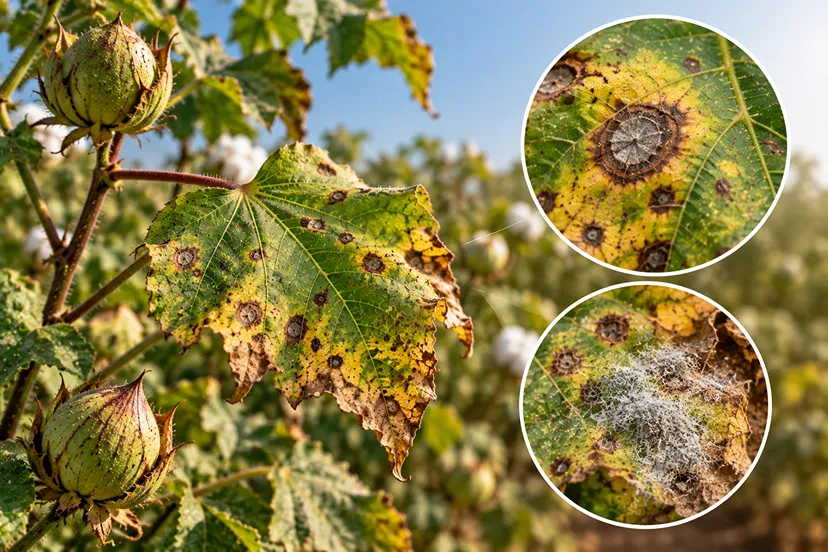
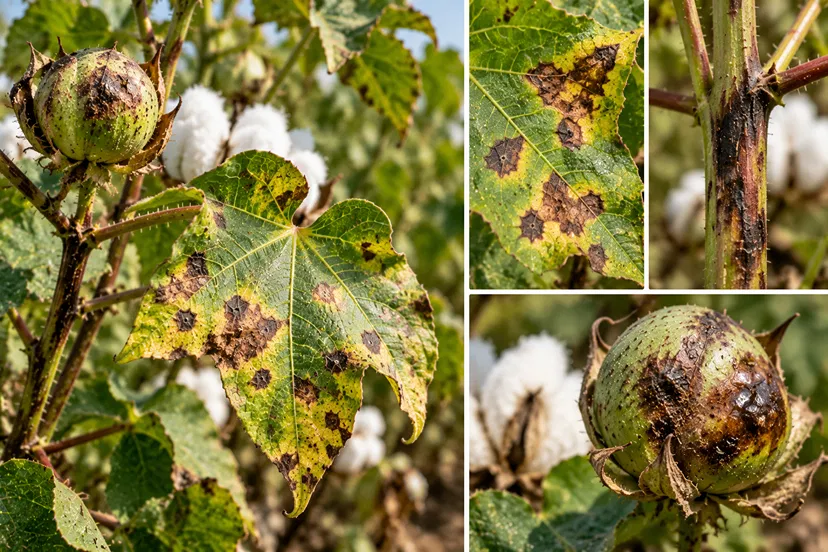
- Leaf and stem spotting can also occur, though fruit symptoms are usually the most damaging.
Causes
Anthracnose in tomato is caused by Colletotrichum coccodes and related Colletotrichum species, which survive in soil and infected crop debris between seasons. The disease spreads fastest under warm, humid conditions, with rain splash and overhead irrigation carrying spores from the soil and old debris onto ripening fruit. Dense canopies that trap moisture and slow drying after rain make an outbreak more likely.
Tebuconazole 38.39% w/w SC
A systemic triazole fungicide that interferes with the fungus's cell wall formation, giving both preventive and curative activity against anthracnose. It's absorbed by the plant and moves within the tissue, offering protection to fruit and foliage that develops after spraying, not just what's directly coated.
Product Recommendation
Disclaimer: Always confirm current label registration, approved dosage, water volume, and pre-harvest interval (PHI) for your state before using any product — labels are periodically revised by regulatory authorities.
This guide is a general advisory. Do your own research and verification before using any product. Always confirm suitability for your crop stage, region, and field conditions before making any purchase, spray, or crop-management decision.