Zinnias are the kind of flowers that make a garden feel instantly brighter. With bold colors, easy growth, and nonstop blooms, they're a favorite for gardeners who want maximum impact with minimal fuss. But if you want long-lasting zinnia blooms that keep showing off all season, a little smart care goes a long way.
From planting in the right spot to deadheading at the right time, the best zinnia care tips can help you enjoy fuller plants, more flowers, and healthier growth. Whether you're growing zinnias in garden beds, borders, or containers, these simple strategies will keep your plants blooming beautifully for weeks.
Choose the Right Spot for Healthy Zinnias
Zinnias love the sun. If you want abundant flowers, plant them where they'll get at least 6 to 8 hours of direct sunlight each day. More sun usually means stronger stems, brighter color, and more blooms.
Good airflow is just as important. Zinnias can struggle in damp, crowded spaces, where disease is more likely to develop. Give each plant enough room so leaves can dry quickly after rain or watering.
Best growing conditions for zinnias
- Full sun exposure
- Well-draining soil
- Moderate spacing for airflow
- Warm temperatures
If your soil stays soggy, consider raised beds or containers. Zinnias do best in soil that drains well and doesn't remain wet for long periods.
Start with Quality Soil and Proper Planting
Healthy zinnias begin with good soil. These flowers prefer soil that is fertile but not overly rich. Too much nitrogen can produce lots of leafy growth and fewer blooms, so avoid heavy feeding at planting time.
Mix in compost if your soil is poor, but keep the balance light. Zinnias thrive in soil with a pH that is slightly acidic to neutral, though they're flexible and usually adapt well to average garden conditions.
When planting seeds or transplants, avoid disturbing roots too much. If you're sowing seeds directly outdoors, wait until the soil has warmed and all danger of frost has passed. Zinnias are warm-season flowers and grow best when temperatures are consistently mild to warm.
Tip: For the longest bloom season, stagger plantings every 2 to 3 weeks during the early part of the season. This helps create a continuous supply of fresh flowers.
Water the Right Way for Stronger Blooms
Zinnias need consistent moisture, especially when they are young and establishing roots. However, overwatering can lead to weak growth and disease problems. The goal is to keep the soil evenly moist without making it waterlogged.
Water deeply at the base of the plant rather than overhead. This helps reduce the risk of powdery mildew and other fungal issues that often affect zinnias. Morning watering is ideal because it gives leaves time to dry during the day.
Smart watering habits
- Water when the top inch of soil feels dry.
- Apply water at the soil level, not on the leaves.
- Water early in the day whenever possible.
- Avoid letting containers dry out completely.
Container-grown zinnias may need more frequent watering than garden plants, especially during hot weather. Check them often, since pots can dry out quickly.
Deadhead Regularly to Keep Flowers Coming
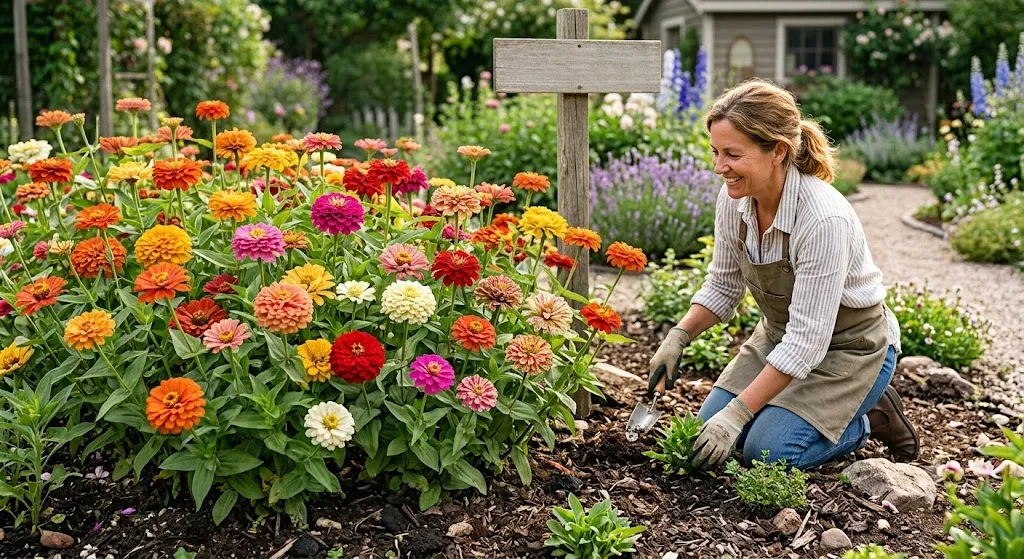
If you want zinnias to bloom nonstop, deadheading is one of the most effective techniques. Deadheading means removing faded flowers before they form seeds. Once a zinnia starts producing seed heads, the plant shifts energy away from blooming.
By snipping off spent flowers, you encourage the plant to produce more buds. This simple habit can dramatically extend the blooming period and improve the overall appearance of your plants.
How to deadhead zinnias
- Look for flowers that are faded, brown, or starting to dry out.
- Cut the stem just above a healthy set of leaves or a new bud.
- Use clean, sharp scissors or pruners.
- Check plants every few days during peak bloom.
If you regularly harvest zinnia flowers for bouquets, you're already doing a form of deadheading. Cutting blooms often helps the plant branch and produce even more flowers.
Feed Carefully to Avoid Too Much Foliage
Zinnias do not need heavy fertilizing. In fact, too much fertilizer can result in lush green plants with very few flowers. A balanced, mild feeding approach is usually best.
If your soil is healthy, you may not need much fertilizer at all. For less fertile soil, use a light application of a balanced fertilizer or compost tea early in the growing season. Once zinnias are established, avoid overfeeding them with high-nitrogen formulas.
Best rule: Feed lightly and only when needed. The more natural the balance, the better the bloom performance.
Prevent Common Zinnia Problems Before They Start
Even though zinnias are easy to grow, they can face a few common issues. The good news is that most problems are preventable with the right care.
Watch for these issues
- Powdery mildew: A white, dusty coating on leaves, often caused by poor airflow or wet foliage.
- Leaf spot: Dark spots that may spread in humid or overly wet conditions.
- Aphids: Small insects that cluster on stems and buds.
- Spindly growth: Often caused by too little sun.
To reduce disease risk, space plants properly, water at the base, and remove damaged leaves when needed. If pests appear, a strong spray of water or insecticidal soap can often help manage them.
Healthy, well-spaced zinnias in full sun are far less likely to have serious problems.
Pinch Young Plants for Bushier Growth
One of the best zinnia care tips for fuller plants is pinching early growth. When young plants reach about 8 to 12 inches tall, pinch or snip the top set of leaves just above a node. This encourages branching and helps create more stems for flowers.
More branches mean more blooms, which makes the plant look fuller and more productive. Some gardeners skip this step, but it can make a noticeable difference if you want a more abundant display.
If you're growing zinnias for cutting, pinching is especially helpful because it produces longer, stronger stems.
Harvest Flowers at the Right Time
Cutting zinnias for arrangements not only gives you fresh flowers indoors, but also keeps plants blooming outside. The best time to harvest is early in the morning when stems are firm and flowers are well-hydrated.
Choose blooms that are fully open or just beginning to open, depending on the look you want. Use a clean, sharp tool and cut stems at an angle to help them take up water better.
For longer vase life
- Harvest in the morning.
- Place stems in water immediately.
- Remove leaves that would sit below the waterline.
- Change vase water regularly.
Frequent harvesting also keeps the plant focused on producing new flowers instead of seed production.
Keep Zinnias Blooming Until the End of the Season
As the season progresses, zinnias may slow down if they become crowded, stressed, or overgrown. A little maintenance can help them keep going strong.
Remove spent stems, check for mildew, and continue deadheading regularly. If plants begin to look tired, a light trim can encourage fresh new growth. In many climates, zinnias will bloom right up until the first frost if they're well cared for.
In hotter regions, adding mulch around the base can help retain moisture and keep roots cooler. Just keep mulch a little away from the stem to prevent rot.
Conclusion: Simple Care, Bigger Blooms
Zinnias are one of the easiest flowers to grow, but a few smart habits can turn good blooms into spectacular ones. With full sun, well-draining soil, careful watering, regular deadheading, and occasional pinching, you can enjoy long-lasting zinnia blooms from early summer through fall.
If you want a garden full of color that keeps getting better as the season goes on, zinnias are a perfect choice. Start with these care tips, stay consistent, and your plants will reward you with bright, cheerful flowers for weeks on end.
Ready to grow better zinnias? Put these tips into practice and watch your garden fill with color, pollinators, and nonstop blooms.