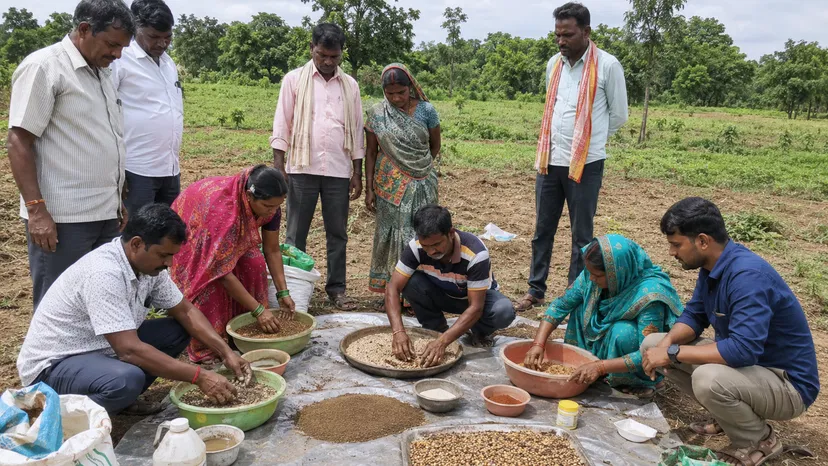
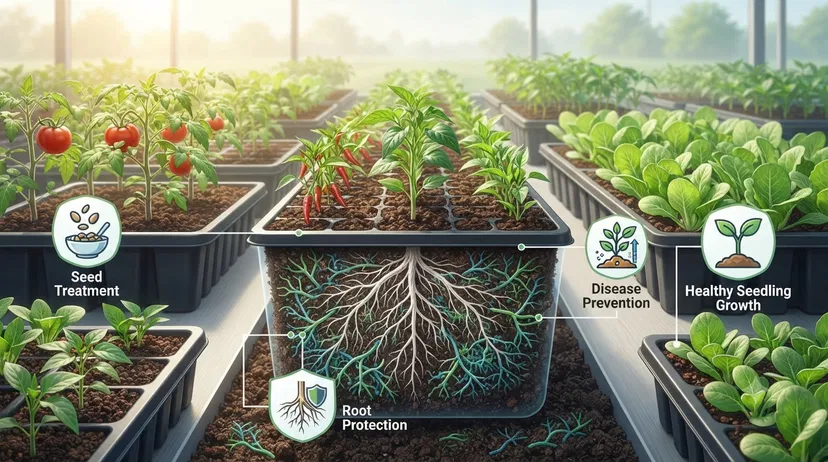
Healthy wheat crops start long before emergence. If you want stronger stands, more uniform germination, and better protection against early-season disease, wheat seed treatment is one of the most effective tools you can use. A properly treated seed gives your crop a better start, helping reduce losses from fungi, insects, and other stress factors that can limit yield potential.
Whether you manage a large commercial operation or a smaller grain field, understanding how to treat wheat seed correctly can make a noticeable difference in crop establishment. The right approach improves seedling vigor, supports rapid emergence, and helps protect your investment from the moment the seed is planted.
What Is Wheat Seed Treatment?
Wheat seed treatment is the process of applying protective products to seed before planting. These products may include fungicides, insecticides, biologicals, or nutrient coatings designed to safeguard seeds and young seedlings during the most vulnerable growth stage.
The main goal of wheat seed treatment is twofold:
- Improve germination and stand establishment
- Control seed-borne and soil-borne diseases
By protecting the seed before and after planting, treatment helps reduce early losses caused by pathogens such as smuts, bunts, Fusarium, and damping-off diseases.
Why Wheat Seed Treatment Matters
The first few weeks after planting are critical. During this period, wheat seedlings are highly vulnerable to infection, poor soil conditions, and insect pressure. If the seed is weak or exposed to disease, emergence can be delayed or uneven, leading to poor stand density and yield loss later in the season.
Here’s why seed treatment is worth the attention:
- It helps protect against common seed-borne diseases
- It supports faster, more uniform germination
- It improves early seedling vigor
- It reduces the need for rescue treatments later
- It can increase the chances of a strong, even crop stand
Strong wheat starts with protected seed. The healthier the seed at planting, the better the crop can compete, establish, and express its yield potential.
Common Wheat Seed Diseases Seed Treatment Helps Control
Wheat seed treatment is especially valuable because it targets diseases that can be carried on or around the seed. Some of the most common problems include:
Common Smut and Loose Smut
These fungal diseases can be seed-borne and may reduce grain quality as well as yield. A quality fungicide seed treatment can greatly reduce infection risk.
Common Bunt
Also known as stinking smut, common bunt affects kernels and can cause serious quality losses. Treating seed is one of the most effective prevention methods.
Fusarium and Seedling Blights
Fusarium species can infect seed and soil, causing poor emergence and weakened seedlings. Seed treatment helps protect young plants during early development.
Damping-Off Pathogens
In cool, wet soils, damping-off fungi can attack seedlings before or after emergence. Seed treatment gives an added layer of defense during these risky conditions.
Choosing the Right Wheat Seed Treatment
The best seed treatment depends on your planting conditions, disease history, and pest pressure. Not every field needs the same solution, so it is important to choose products based on actual risk.
Fungicide Seed Treatments
These are the most common option for wheat seed treatment. They protect against fungal pathogens that cause smuts, bunts, rots, and seedling diseases. If disease has been a concern in previous seasons, a fungicide treatment is often essential.
Insecticide Seed Treatments
Where early-season insect pressure is a concern, insecticide seed treatments can help protect emerging wheat from pests that feed on seed or young seedlings. These treatments are especially useful in areas with known insect issues.
Biological Seed Treatments
Biologicals use beneficial microbes to help suppress harmful pathogens and support root health. They may be used alone or as part of a broader seed treatment program.
Micronutrient and Polymer Coatings
Some products include nutrient packages or polymers that improve seed handling, reduce dust, and support uniform application. While these are not disease-control tools on their own, they can complement the treatment system.
How to Treat Wheat Seed Properly
Applying seed treatment correctly is just as important as choosing the right product. Poor application can lead to uneven protection, reduced performance, or seed damage. Follow the product label carefully and use calibrated equipment for best results.
- Start with clean, high-quality seed. Remove broken kernels, weed seeds, and debris before treatment.
- Test seed germination if needed. Knowing baseline seed quality helps you evaluate treatment effectiveness.
- Choose the right treatment based on field risk. Consider disease history, planting date, and soil conditions.
- Calibrate application equipment. Accurate dosing ensures even coverage and prevents over- or under-treatment.
- Mix thoroughly. Each seed should receive consistent coverage for reliable protection.
- Allow treated seed to dry properly. This helps reduce handling problems and improves planting performance.
Best Practices for Better Germination
Seed treatment works best when combined with sound planting practices. Even the best treatment cannot fully compensate for poor seed quality or unfavorable field management.
- Plant at the right depth: Shallow or overly deep planting can reduce emergence uniformity.
- Use well-prepared seedbeds: Good soil contact supports even moisture uptake.
- Avoid planting into excessively wet soils: Waterlogged conditions increase disease risk and slow emergence.
- Monitor soil temperature: Cold soils can delay germination and increase seedling stress.
- Use certified or tested seed: High-quality seed offers better performance from the start.
When Wheat Seed Treatment Is Most Important
While seed treatment is useful in many situations, it becomes especially important under certain conditions:
- Fields with a history of smut, bunt, or seedling disease
- Cool, wet planting conditions
- Early seeding into marginal soil temperatures
- High-value or high-yield production systems
- Reduced tillage fields where disease residue may be present
- Areas with known insect pressure at emergence
In these scenarios, seed treatment can be a key part of an integrated disease management plan.
Common Mistakes to Avoid
To get the most from wheat seed treatment, avoid these common errors:
- Using the wrong product for the problem
- Applying treatment unevenly
- Ignoring label instructions
- Treating low-quality seed without testing first
- Storing treated seed improperly
- Assuming treatment replaces good agronomy
Remember, seed treatment is a protection tool, not a cure-all. It works best as part of a broader strategy that includes quality seed, proper planting, and good field management.
Final Thoughts on Wheat Seed Treatment
If you want better germination, stronger emergence, and improved disease control, wheat seed treatment deserves a place in your planting plan. It is one of the simplest ways to protect the crop during its most vulnerable stage and give it a stronger start toward healthy development.
By choosing the right treatment, applying it carefully, and combining it with smart planting practices, you can help ensure more uniform stands and better early-season performance. In wheat production, that early advantage can set the tone for the entire season.
Take the time to treat seed properly before planting. The payoff can be healthier seedlings, lower disease pressure, and a better chance of achieving strong yield potential.