Pot size isn't a cosmetic choice — it directly controls how much root a plant can develop, and root volume controls almost everything else: nutrient uptake, drought tolerance, and ultimately yield. A plant squeezed into an undersized pot will look stressed no matter how well you water and feed it, simply because the roots have nowhere to go. Here's what container size each common balcony vegetable actually needs, based on how its root system develops.
Fruiting Vegetables: Deep, Wide, and Well-Drained
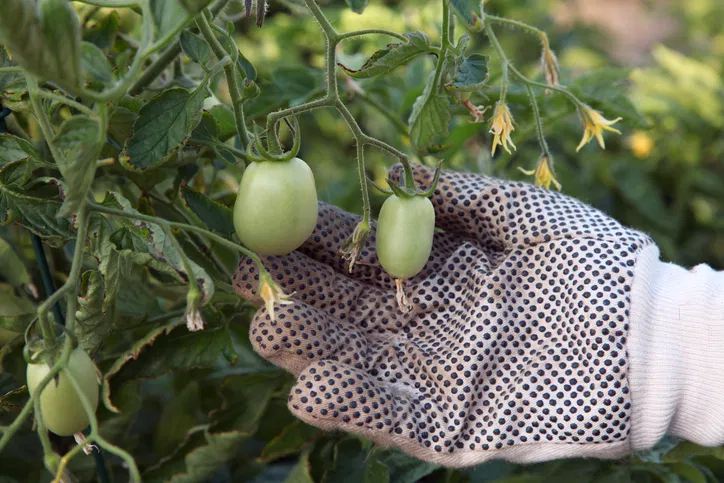
Tomato develops an extensive branching root system and is a heavy feeder, so it needs a pot at least 12–14 inches (30–35 cm) deep and equally wide, with multiple drainage holes to prevent waterlogging around the root crown. Chilli has a more compact root system and manages in a 10–12 inch (25–30 cm) pot, though sizing up slightly extends the productive life of the plant. Brinjal is a sturdy, semi-woody plant that needs a 12-inch pot with real depth — shallow containers restrict the root anchorage it needs to support heavier fruit later in the season.
Vining Crops: Depth Plus Vertical Support
Cucumber needs a pot at least 12 inches deep, but depth alone isn't enough — without a trellis or vertical support, the vine sprawls, leaves get shaded, and fruit sits on wet soil where it's prone to rot. Okra does well in a similar 12-inch pot but needs 12–15 inches of spacing between plants; crowding restricts airflow and increases jassid and aphid pressure, two of okra's most common balcony pest problems.
Root Vegetables: Depth Determines Shape
Root crops are unusual in that pot depth directly shapes the harvested vegetable, not just plant health. Carrot needs a genuinely deep pot — 10–12 inches minimum — because a shallow container forces the taproot to fork or stay stunted as it hits the pot base. Radish matures in as little as 25–35 days and needs less depth, around 8 inches, since its root doesn't have as long to develop before harvest. For both, a narrower, deeper pot outperforms a wide, shallow tray.
Leafy Greens: Shallow-Rooted and Forgiving
Leafy greens keep almost all their root mass in the top 6–8 inches of soil, which makes them the most flexible crop for awkward balcony spaces — railings, hanging pots, and shallow trays all work. Because they're harvested young and repeatedly, root depth matters far less here than consistent moisture at the surface.
Why Oversizing Beats Undersizing
When a pot size falls between two recommendations, choose the larger one. An oversized pot costs you a bit of soil and a slightly slower initial establishment; an undersized pot permanently caps root development and, with it, the plant's eventual yield — a limitation you can't correct later in the season.
Frequently Asked Questions
Can I grow tomato in a 10-inch pot?
You can start a tomato seedling in a 10-inch pot, but it will need transplanting into a 12–14 inch pot within a few weeks — tomato roots outgrow a 10-inch container quickly and yield drops noticeably if it's left there long-term.
Does a bigger pot mean a bigger harvest?
Up to a point, yes — more root volume generally means better nutrient and water uptake. But beyond the crop's natural root spread, extra pot size adds little benefit and mainly just uses more soil and space.
How many drainage holes does a vegetable pot need?
As a rule of thumb, one hole for every 6–8 inches of pot diameter, positioned so water can exit freely rather than pooling in one corner — poor drainage is a bigger yield-limiter than pot size itself in many balcony setups.