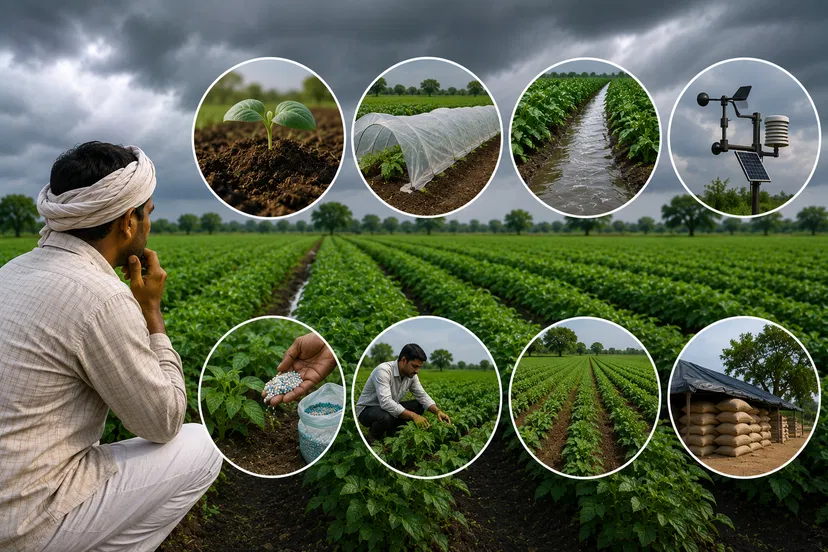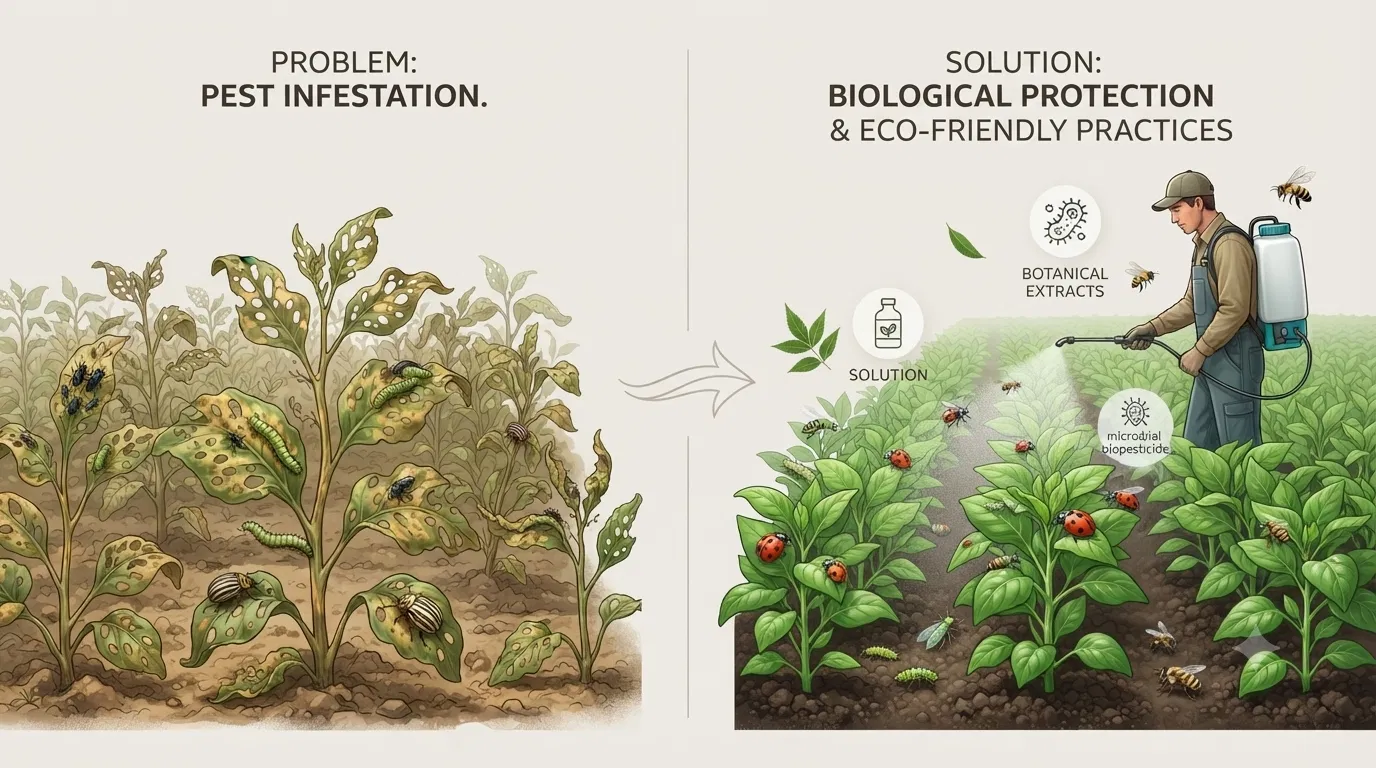
As farmers and gardeners look for safer, more sustainable ways to protect crops, biopesticides are quickly becoming a smart alternative to conventional chemical pesticides. These natural pest control solutions can target insects, weeds, fungi, and plant diseases while helping reduce environmental impact and support healthier ecosystems.
Understanding the types of biopesticides and how they work is essential for anyone interested in sustainable agriculture, integrated pest management, or organic growing. From beneficial microbes to plant-based compounds, biopesticides offer a wide range of tools for controlling pests with precision.
What Are Biopesticides?
Biopesticides are pest control products derived from natural materials such as plants, bacteria, fungi, viruses, and minerals. Unlike many synthetic pesticides, they are often more targeted in action and may break down more quickly in the environment.
They are commonly used in organic farming, integrated pest management programs, and sustainable crop production systems. Their biggest advantage is that they can manage pests while reducing harm to beneficial insects, soil health, and surrounding wildlife.
Main Types of Biopesticides
1. Microbial Biopesticides
Microbial biopesticides use living microorganisms or their byproducts to control pests. These include bacteria, fungi, viruses, and protozoa that naturally attack specific insects or plant pathogens. In the market they are often sold as bio-insecticides for pest insects and bio-fungicides for fungal pathogens.
A well-known example is Bacillus thuringiensis, often called Bt. This bacterium produces proteins that are toxic to certain insect larvae when they eat treated plant surfaces.
How they work:
- Infect or disrupt the target pest's body processes
- Produce toxins that affect specific insects
- Compete with harmful microbes in the soil or on plant surfaces
- Reduce pest populations without broad-spectrum chemical effects
Microbial biopesticides are especially valuable because they are highly selective, which means they often spare beneficial insects like pollinators and predators.
2. Biochemical Biopesticides
Biochemical biopesticides are naturally occurring substances that control pests through non-toxic or low-toxicity mechanisms. These are not living organisms, but they influence pest behavior, growth, or reproduction.
Examples include pheromones, plant extracts, insect growth regulators, and certain natural oils. Pheromones are especially useful in disrupting mating patterns in insects, preventing them from reproducing effectively.
How they work:
- Confuse or disrupt insect mating behavior
- Repel pests from crops
- Interrupt development or feeding cycles
- Signal pests to avoid treated areas
Because they often act on specific pest behaviors rather than killing outright, biochemical biopesticides are ideal for targeted pest management strategies.
3. Plant-Incorporated Protectants (PIPs)
Plant-incorporated protectants are substances produced by plants after the insertion of protective genetic material. In simple terms, the plant itself produces a pest-fighting compound.
The most common example is genetically engineered corn and cotton that produce Bt proteins, making them resistant to specific insect pests.
How they work:
- The plant produces a protein toxic to certain pests
- Insects feeding on the plant are affected internally
- Protection is built into the crop rather than sprayed on
PIPs can reduce the need for external pesticide applications, though they require careful management to prevent resistance in pest populations.
How Biopesticides Work
Biopesticides work in different ways depending on their type, but they usually target a pest's biology, behavior, or life cycle more precisely than traditional pesticides. This targeted action is one reason they are considered an important part of modern sustainable agriculture.
Targeting Specific Pests
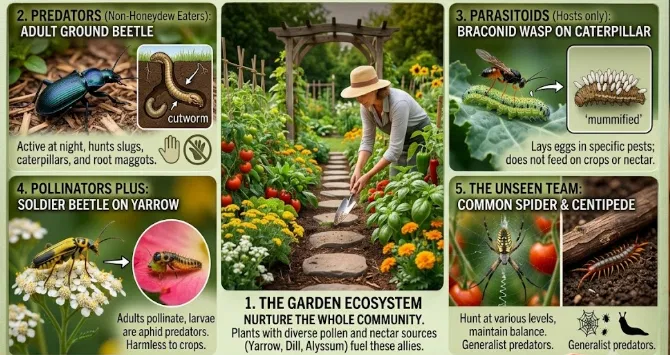
Many biopesticides are designed to affect only a narrow range of pests. For example, a microbial product may harm only a specific caterpillar species and leave bees, birds, and beneficial insects unharmed.
Disrupting Pest Life Cycles
Some biopesticides prevent pests from growing, molting, mating, or laying eggs. By interrupting development, they reduce future pest generations instead of simply killing adult insects.
Reducing Disease Spread
Microbial and biochemical biopesticides can also help manage plant diseases by suppressing harmful pathogens or strengthening plant defenses. This makes them useful not only for insect control but also for fungus and bacterial disease management.
Acting as Deterrents or Repellents
Certain natural compounds discourage pests from feeding or laying eggs on crops. This can reduce damage before infestations become severe.
Biopesticides are not about replacing every conventional pesticide overnight. They are about creating smarter, more sustainable pest management systems that work with nature instead of against it.
Benefits of Biopesticides
Biopesticides are gaining popularity because they bring several advantages to farmers, growers, and the environment.
- Lower environmental impact: Many biopesticides break down quickly and leave fewer residues.
- Targeted action: They often affect only the intended pest.
- Better fit for organic systems: Many are approved for organic production.
- Reduced risk to beneficial organisms: Pollinators and natural enemies are less likely to be harmed.
- Resistance management: They can help slow the development of pesticide resistance when used strategically.
Limitations to Consider
While biopesticides offer major advantages, they are not a perfect one-size-fits-all solution. Their effectiveness can depend on timing, weather, pest pressure, and application method.
- They may work more slowly than synthetic pesticides.
- Some require frequent reapplication.
- Performance can be affected by sunlight, rain, or temperature.
- They are often most effective as part of an integrated pest management plan.
For best results, biopesticides should be used with scouting, crop rotation, resistant varieties, and other sustainable pest control practices.
Why Biopesticides Matter for Sustainable Agriculture
As global agriculture faces pressure to produce more food with fewer environmental consequences, biopesticides are becoming increasingly important. They support healthier soils, safer food systems, and better long-term pest control strategies.
Farmers seeking to reduce chemical inputs can use biopesticides to build more resilient cropping systems. Gardeners and home growers can also benefit from natural pest control options that align with eco-friendly practices.
Final Thoughts
Biopesticides represent a powerful shift toward smarter, more sustainable pest management. Whether microbial, biochemical, or plant-incorporated, these natural solutions work by targeting pests in precise and often environmentally friendly ways.
If you want to improve crop protection while supporting long-term soil and ecosystem health, biopesticides are worth exploring. The future of pest control is not just about eliminating pests — it is about doing it responsibly, efficiently, and sustainably.
Take the next step: learn which biopesticides fit your crops, your climate, and your pest challenges, then build them into a broader integrated pest management strategy.