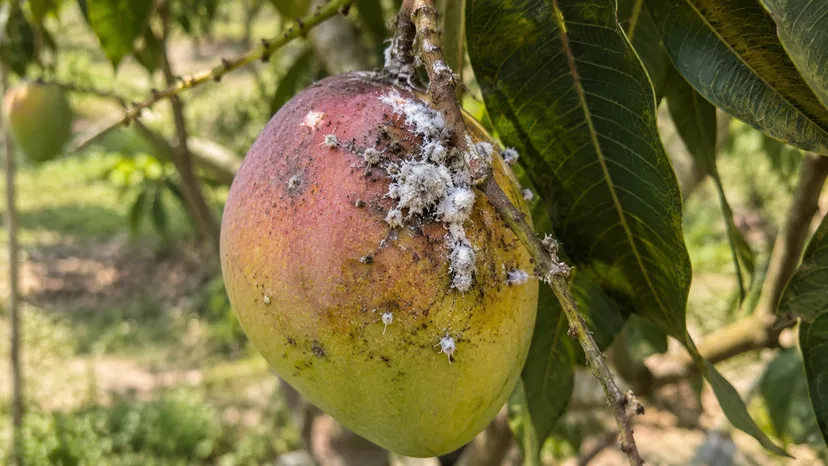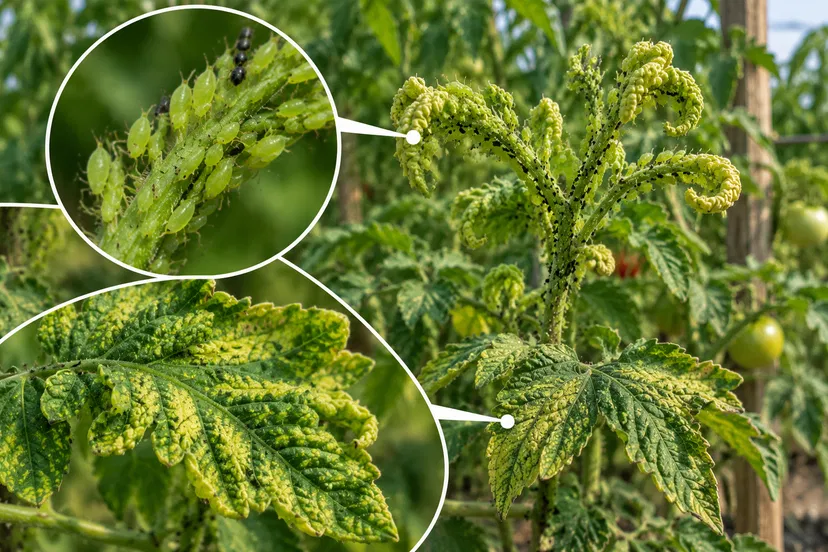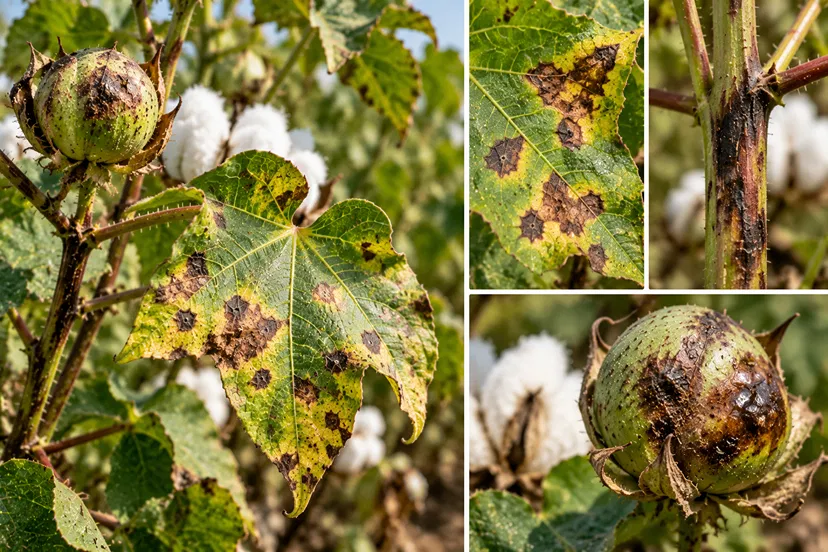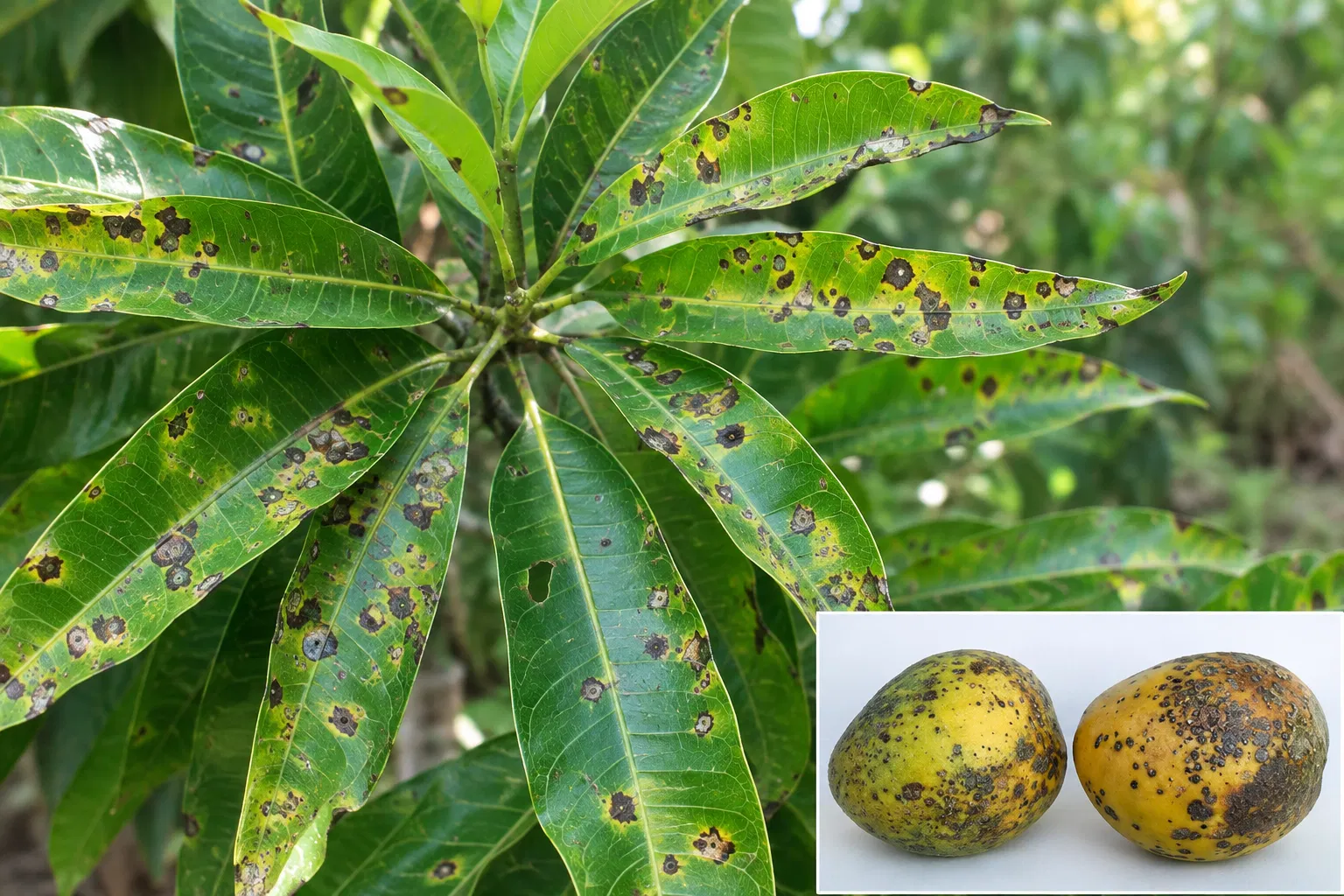
Anthracnose control in mango protects one of the crop's most valuable stages: the fruit itself. Caused by the fungus Colletotrichum gloeosporioides, the disease shows up as dark, sunken spots on leaves, flowers, and fruit, and it can lie dormant in green fruit only to erupt into rot after harvest, during ripening and transport. Because infections often start well before symptoms are visible, mango anthracnose fungicide programmes work best as a preventive, well-timed spray schedule through flowering and fruit development, rather than a one-time reaction to visible spots. Mix each product at the per-litre rate below, and adjust the total spray volume to the size and canopy of the tree, spraying until the foliage is evenly wetted.
1. Carbendazim 12% + Mancozeb 63% WP
This combination pairs a systemic benzimidazole with a contact dithiocarbamate for dual-mode protection. Carbendazim moves into plant tissue and disrupts fungal cell division from within, while Mancozeb forms a protective, multi-site barrier on the surface that stops spores from germinating in the first place. Because Mancozeb acts on several points in the fungal cell rather than one, this pairing also helps slow resistance build-up over repeated sprays.
Product Recommendations
- UPL Saaf Fungicide
- Dhanuka Sixer Fungicide
- Katyayani Samartha Fungicide
- Aimco Safety Fungicide
- Agriventure Carwen
2. Tebuconazole 50% + Trifloxystrobin 25% WG
Tebuconazole is a DMI (demethylation inhibitor) that blocks fungal cell membrane formation, while Trifloxystrobin interferes with the fungus's respiration, cutting off its energy supply. Together they give both curative action on existing infection and protective cover for new growth, with quick "mesostemic" redistribution inside the plant that helps the spray reach areas missed during application.
Product Recommendations
3. Azoxystrobin 23% SC
Azoxystrobin belongs to the strobilurin (QoI) group and works by inhibiting mitochondrial respiration in the fungus, effectively cutting off the energy it needs to grow and spread. It moves systemically within the plant, giving protection to new flush and flowers formed after spraying, and its preventive, curative, and translaminar activity make it effective even when applied close to the first signs of disease.
Product Recommendations
4. Metiram 70% WG
Metiram is a dithiocarbamate contact fungicide with multisite action, meaning it disrupts several points in the fungal cell at once rather than one specific target. This makes resistance development far less likely compared with single-site systemic actives. Its small particle size gives better coverage and adherence on the fruit and leaf surface, and it holds up well through light rain once it has dried.
Product Recommendations
5. Copper Oxychloride 50% WG
Copper oxychloride is a classic protectant fungicide that works purely on contact, forming a fine copper film on the leaf and fruit surface that releases copper ions slowly to stop fungal spores from germinating before they can infect the plant. Because it has no systemic movement, thorough coverage before infection is essential, which makes it best suited to preventive sprays ahead of flowering and fruit set rather than as a rescue treatment for established infection.
Product Recommendations
Disclaimer: Always confirm current label registration, approved dosage, water volume, and pre-harvest interval (PHI) for your state before using any product — labels are periodically revised by regulatory authorities.
This guide is a general advisory. Do your own research and verification before using any product. Always confirm suitability for your crop stage, region, and field conditions before making any purchase, spray, or crop-management decision.