Fungal diseases can wipe out a vegetable crop fast. One week your plants look healthy, and the next you’re dealing with leaf spots, blights, mildews, or fruit rot that spreads before you can react. That’s why choosing the best broad-spectrum fungicides for vegetable crops matters so much for both home gardeners and commercial growers.
Broad-spectrum fungicides are designed to help control multiple fungal diseases with one product, making disease management simpler and more efficient. When used correctly, they can protect vegetables from common threats while supporting healthier growth and stronger yields. In this guide, you’ll learn what broad-spectrum fungicides do, which active ingredients are commonly used, and how to select the right option for your vegetable garden or farm.
What Are Broad-Spectrum Fungicides?
Broad-spectrum fungicides are fungicide products that work against a wide range of fungal pathogens rather than targeting only one specific disease. They are especially useful in vegetable production because crops often face several fungal problems at once.
These products may be protectant, meaning they prevent infection before it starts, or systemic, meaning they move into plant tissue and help stop disease development after application. Some fungicides combine both modes of action for stronger coverage.
Key idea: Broad-spectrum fungicides are most effective when used as part of a disease prevention program, not as the only defense.
Top Broad-Spectrum Fungicides for Vegetable Crops
Below are widely used broad-spectrum fungicide active ingredients and product types commonly selected for vegetables. Always follow the label for crop approval, rates, and pre-harvest intervals.
1. Chlorothalonil
Chlorothalonil is one of the most recognized protectant fungicides for vegetables. It offers broad activity against many fungal leaf diseases and is often used on tomatoes, cucurbits, peppers, and other crops.
- Controls leaf spots, blights, and some downy mildew suppression
- Works best preventively before disease pressure becomes severe
- Commonly used in rotation programs to reduce resistance risk
2. Copper Fungicides
Copper-based fungicides are popular in both organic and conventional production systems. They provide broad control against fungal and some bacterial diseases, making them a versatile option for vegetable growers.
- Useful on tomatoes, peppers, onions, beans, and leafy greens
- Often applied for early blight, bacterial spot, and leaf spot suppression
- Best used carefully because overuse can cause leaf injury in some crops
3. Mancozeb
Mancozeb is a classic broad-spectrum fungicide with strong protectant activity. It is frequently used in vegetable disease management programs for crops such as potatoes, tomatoes, cucumbers, and onions.
- Broad activity against many fungal pathogens
- Often part of tank mixes or rotation programs
- Requires timely applications before infection
4. Azoxystrobin
Azoxystrobin is a systemic fungicide known for controlling a wide range of diseases in vegetables. It is especially valuable when used early in a disease cycle or before symptoms appear.
- Effective against many leaf diseases and fruit rots
- Absorbed by the plant for longer protection
- Should be rotated with other fungicide classes to prevent resistance
5. Pyraclostrobin
Pyraclostrobin is another strobilurin fungicide used for broad fungal control in vegetable crops. It is often favored for its preventive performance and long-lasting protection.
- Controls a broad range of fungal diseases
- Helpful in programs for tomatoes, beans, potatoes, and cucurbits
- Should be used with resistance management in mind
6. Boscalid
Boscalid is commonly included in combination fungicides and offers strong activity against certain vegetable diseases. It is frequently paired with other active ingredients for broader protection.
- Useful for botrytis, white mold, and some fruit diseases
- Often found in pre-mixed fungicide products
- Works best in rotation with unrelated fungicide groups
7. Sulfur
Sulfur is a long-used fungicide that provides broad control, especially against powdery mildew. It is widely used in vegetable gardens and can be suitable in organic systems depending on the formulation.
- Strong option for powdery mildew management
- Best applied before heavy disease development
- Can cause plant stress in hot weather
How to Choose the Right Fungicide for Vegetables
The best broad-spectrum fungicide depends on the crop, disease pressure, weather conditions, and production system. A product that works well on tomatoes may not be the best choice for squash or onions.
When selecting a fungicide, consider the following:
- Crop label approval: Make sure the product is labeled for your specific vegetable.
- Target disease: Identify whether you are dealing with blight, mildew, leaf spot, rot, or another issue.
- Organic or conventional use: Some products are allowed in organic systems, while others are not.
- Resistance management: Rotate fungicide groups to reduce the risk of resistant pathogens.
- Pre-harvest interval: Check how many days must pass between application and harvest.
Common Vegetable Diseases Broad-Spectrum Fungicides Help Manage
Broad-spectrum fungicides are often used against several major fungal diseases that affect vegetable crops. Some of the most common include:
- Early blight on tomatoes and potatoes
- Powdery mildew on cucumbers, squash, and melons
- Downy mildew on cucurbits and leafy vegetables
- Anthracnose on beans, peppers, and cucumbers
- Botrytis gray mold on strawberries and some vegetables
- Leaf spots and blights on a wide range of crops
These diseases spread quickly under humid, wet, or overcrowded growing conditions, which is why early prevention is so important.
Best Practices for Applying Fungicides on Vegetable Crops
Even the best fungicide will underperform if it is not applied correctly. Timing, coverage, and rotation are essential for success.
Apply Early
Most broad-spectrum fungicides work best before disease becomes severe. Preventive applications are usually more effective than trying to rescue a heavily infected crop.
Get Full Coverage
Fungal spores often attack leaves, stems, and fruit surfaces. Make sure spray coverage reaches all plant surfaces, especially the undersides of leaves.
Rotate Fungicide Classes
Using the same mode of action repeatedly can lead to fungicide resistance. Rotate between different chemical groups and use combination products when appropriate.
Follow Weather Conditions
Wet weather, dew, and prolonged humidity increase disease risk. Applications before expected infection periods can improve control.
Respect Label Directions
Always follow the label for mixing, application rates, safety precautions, and harvest restrictions. The label is the legal guide for use.
Organic and Low-Impact Options
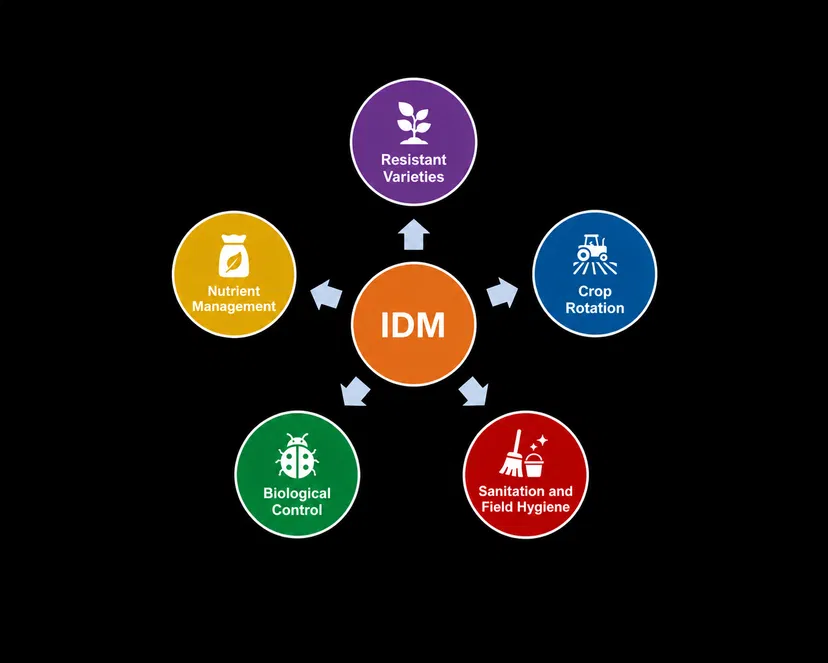
For growers looking for lower-impact approaches, copper and sulfur products are commonly used options, depending on label allowances and crop sensitivity. These can be valuable in integrated disease management programs, especially when combined with cultural practices such as:
- Crop rotation
- Improving air circulation
- Watering at the base of plants
- Removing infected plant debris
- Using resistant vegetable varieties
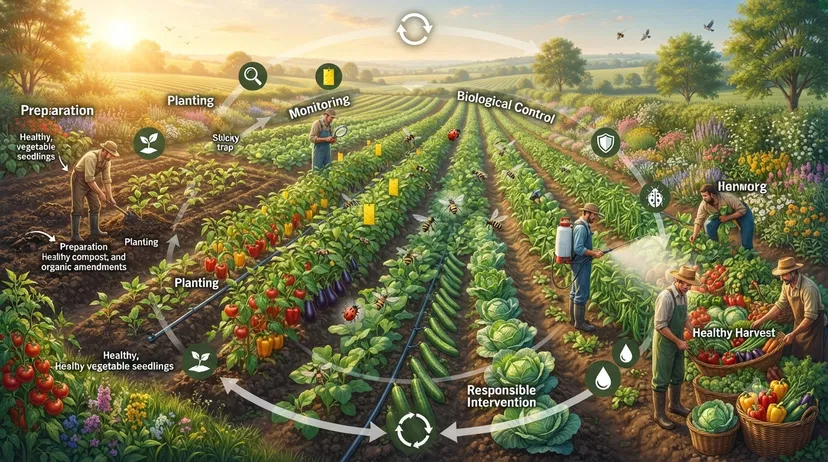
Fungicides work best when paired with these preventive practices, not used as a replacement for them.
Final Thoughts on the Best Broad-Spectrum Fungicides for Vegetable Crops
The best broad-spectrum fungicides for vegetable crops can make a major difference in protecting yields, reducing disease spread, and improving crop quality. Products like chlorothalonil, copper fungicides, mancozeb, azoxystrobin, pyraclostrobin, boscalid, and sulfur each offer valuable disease control when matched to the right crop and problem.
The smartest approach is to choose a product based on your crop, disease pressure, and growing system, then use it as part of a broader disease management plan. If you want healthier vegetables and fewer losses, start with prevention, rotate fungicide modes of action, and always apply according to label directions.
Protect your vegetable crop early, stay consistent, and use broad-spectrum fungicides strategically for the best results.