Healthy tomato plants don't happen by accident. If you want strong vines, clean fruit, and a harvest that keeps going, you need a smart Integrated Pest Management (IPM) plan from planting day to the final pick. The good news? Tomato IPM is not about spraying more. It's about preventing problems, catching them early, and using the least disruptive solution first.
This season-long plan for IPM for tomato will help you reduce pest pressure, limit disease outbreaks, and protect yields without relying on guesswork. Whether you grow tomatoes in a backyard garden or a larger market plot, these steps will keep your crop healthier all season long.
What Is IPM for Tomato?
Integrated Pest Management is a practical strategy for managing insects, diseases, and other tomato problems using a combination of cultural, mechanical, biological, and chemical controls. The goal is not to eliminate every pest. The goal is to keep pest populations below damaging levels while protecting beneficial insects and the environment.
Tomato IPM works best when you start early, scout often, and act based on what you see—not what you fear might happen.
Step 1: Start with Prevention Before Planting
The best tomato pest control begins before your seedlings ever go into the ground. Prevention is the foundation of a strong season-long IPM plan.
Choose resistant varieties
Look for tomato varieties labeled with disease resistance codes such as:
- V – Verticillium wilt
- F – Fusarium wilt
- N – Root-knot nematodes
- TSWV – Tomato spotted wilt virus
- EB – Early blight
Resistant varieties won't solve everything, but they can dramatically reduce risk.
Rotate crops
Avoid planting tomatoes, peppers, eggplants, or potatoes in the same spot year after year. Rotate with unrelated crops for at least 3 years when possible. This helps break pest and disease cycles in the soil.
Prepare the site
Tomatoes perform best in full sun, with good airflow and well-drained soil. Reduce disease pressure by:
- Spacing plants properly
- Avoiding overcrowded beds
- Improving soil with compost
- Installing drip irrigation instead of overhead watering
- Mulching to reduce soil splash onto leaves
Step 2: Scout Tomatoes Weekly
Scouting is the heart of tomato IPM. Walk your plants at least once a week, and more often during hot, humid weather or peak pest season. Check the upper and lower leaf surfaces, stems, blossoms, and developing fruit.
What to look for
- Yellowing, spots, or curling leaves
- Chewed foliage or missing leaves
- Sticky residue or honeydew
- Egg clusters or larvae on stems and undersides of leaves
- Wilting despite moist soil
- Fruit damage, holes, or rot
Early detection is critical. The sooner you identify a problem, the easier it is to manage without heavy intervention.
Step 3: Common Tomato Pests and How to Manage Them
Different pests show up at different times of the season. A season-long IPM plan means knowing what to expect and how to respond.
Tomato hornworms
Hornworms are large green caterpillars that can strip plants quickly. They are often easier to spot by their damage than by the insect itself.
- Hand-pick hornworms when found
- Look for white parasitoid wasp cocoons on the caterpillar; leave those in place
- Use Bacillus thuringiensis (Bt) on small larvae if needed
Aphids
Aphids feed in clusters on new growth and can spread viruses. They are usually most problematic in mild weather.
- Spray off with a strong stream of water
- Encourage lady beetles, lacewings, and other beneficial insects
- Use insecticidal soap if populations build up
Whiteflies
Whiteflies are tiny flying insects that feed on leaves and weaken plants. They are often found on the underside of leaves.
- Use yellow sticky traps for monitoring
- Remove heavily infested leaves when practical
- Support beneficial insects like parasitic wasps
Tomato fruitworms and armyworms
These caterpillars feed on leaves and fruit, often causing holes in tomatoes. They can be more active in warm weather.
- Scout for small larvae early
- Hand-pick when possible
- Apply Bt or spinosad only when thresholds justify treatment
Spider mites
Spider mites thrive in hot, dry conditions and can cause stippling, bronzing, and leaf drop.
- Increase watering consistency
- Rinse foliage with water to reduce populations
- Avoid unnecessary broad-spectrum insecticides that kill beneficial mites
Step 4: Manage Tomato Diseases with Smart Cultural Practices
Many tomato diseases are easier to prevent than cure. A well-designed IPM program focuses on reducing moisture on foliage and limiting disease spread.
Early blight and septoria leaf spot
These common fungal diseases cause lower leaf spots, yellowing, and defoliation. They often begin near the bottom of the plant and move upward.
- Remove infected lower leaves promptly
- Mulch heavily to reduce soil splash
- Water at the base of plants
- Prune for airflow without over-thinning
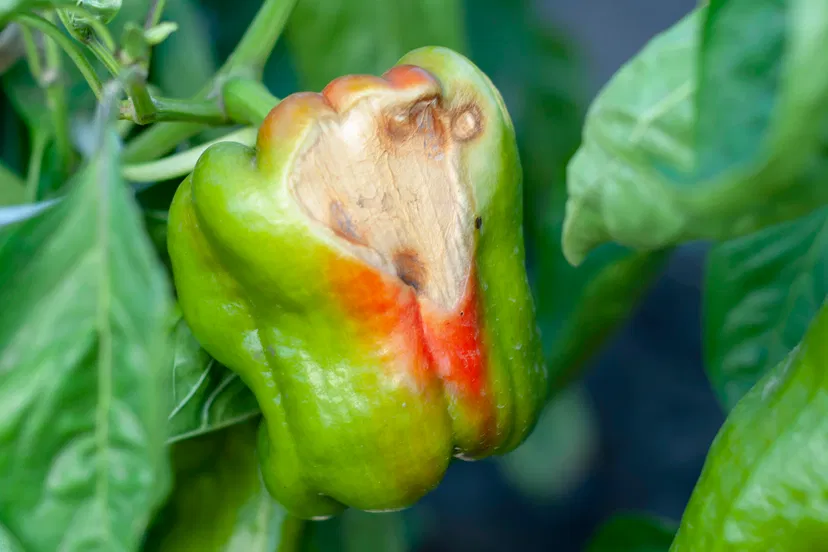
Blossom-end rot
Blossom-end rot is not caused by a pathogen, but it is a frequent tomato problem in IPM programs. It happens when calcium uptake is disrupted, often due to irregular watering.
- Keep soil moisture steady
- Use mulch to reduce fluctuations
- Avoid letting plants dry out between waterings
Wilts and soilborne diseases
Fusarium wilt, Verticillium wilt, and bacterial wilt can severely impact tomato plants. Once present, these problems are difficult to manage.
- Use resistant varieties
- Practice long crop rotation
- Remove infected plants promptly
- Do not compost diseased plant material unless your system reaches proper temperatures
Step 5: Support Beneficial Insects
Not every insect is an enemy. In fact, beneficial insects are a major part of tomato IPM. They help suppress pests naturally and reduce the need for treatments.
Ways to attract beneficials
- Plant flowers nearby, such as alyssum, dill, cilantro, and cosmos
- Avoid broad-spectrum insecticides when possible
- Provide habitat with diverse plantings
- Allow some non-damaging insects to remain as food for predators
When beneficial populations are strong, pest outbreaks are often smaller and easier to manage.
Step 6: Use Treatments Only When Needed
In IPM, chemical controls are used selectively and only when monitoring shows they are necessary. If action is required, choose the least disruptive effective option.
Common low-impact options
- Bt for caterpillars
- Insecticidal soap for aphids and soft-bodied insects
- Horticultural oil for some pests, applied carefully
- Targeted fungicides when disease pressure is high and labels allow
Always follow label directions, spray at the right time of day, and avoid overuse. More product does not mean better control.
Step 7: Keep the Tomato Patch Clean Through Harvest
Sanitation matters all season long. Removing problems early helps protect both current fruit and future plantings.
- Pick ripe fruit frequently
- Remove fallen fruit and diseased leaves
- Dispose of heavily infected plants at the end of the season
- Clean stakes, cages, and tools before reuse
A clean garden is less inviting to pests and disease organisms that linger from one season to the next.
A Simple Season-Long Tomato IPM Timeline
Before planting
- Choose resistant varieties
- Rotate crops
- Improve soil and drainage
- Plan for drip irrigation and mulch
Early season
- Inspect transplants before planting
- Scout weekly
- Watch for aphids and early fungal issues
- Remove weeds that can host pests
Midseason
- Increase scouting frequency
- Watch for hornworms, whiteflies, and spider mites
- Remove diseased leaves
- Maintain consistent watering
Late season
- Harvest often
- Remove declining foliage
- Monitor fruit for rot and pest damage
- Prepare for cleanup after final harvest
Final Thoughts on IPM for Tomato
A successful tomato IPM plan is built on routine, observation, and timely action. By combining prevention, scouting, beneficial insects, and selective treatments, you can keep tomato pests and diseases under control all season long.
If you want better tomatoes, start with a better system. Scout early, act smart, and keep your plants growing strong from planting to harvest. That is the real power of IPM for tomato.