Sunflowers are more than just a bright, beautiful crop—they’re a profitable and rewarding farm plant when managed well from sowing to harvest. Whether you’re growing sunflowers for oilseed production, birdseed, or fresh-cut flowers, success starts with the right planting, crop care, and harvest timing. This sunflower farming guide walks you through every essential step so you can grow healthy plants and maximize yield.
Why Grow Sunflowers?
Sunflowers are popular because they are relatively easy to grow, adaptable to many climates, and can produce strong returns when conditions are right. They also fit well into crop rotation systems, help support pollinators, and can be grown on small or large farms.
- Fast-growing crop: Many varieties mature in 70 to 120 days.
- Market demand: Sunflower seeds and oil remain in steady demand.
- Low input potential: Compared with some crops, sunflowers can be economical to grow.
- Pollinator-friendly: Sunflowers attract bees and other beneficial insects.
Choosing the Right Sunflower Variety
Selecting the right sunflower variety is one of the most important decisions in sunflower farming. The best choice depends on your end goal, local climate, soil conditions, and growing season length.
Common sunflower types
- Oilseed sunflowers: Grown for high oil content and processing.
- Confection sunflowers: Larger seeds used for snacking and baking.
- Ornamental sunflowers: Grown for cut flowers and landscaping.
For commercial farming, choose hybrids that offer strong disease resistance, uniform maturity, and tolerance to local growing conditions. If your area has a short growing season, look for early-maturing varieties.
Best Soil and Climate Conditions for Sunflower Farming
Sunflowers grow best in full sun and well-drained soil. They prefer warm weather and perform poorly in waterlogged fields. While they are fairly drought-tolerant once established, the early growth stage needs adequate moisture.
Ideal growing conditions
- Soil pH: 6.0 to 7.5
- Sunlight: Full sun, at least 6 to 8 hours daily
- Soil type: Loamy, sandy loam, or fertile well-drained soils
- Temperature: Best germination occurs in warm soil, around 50°F to 60°F or higher
Before planting, test the soil to check nutrient levels and pH. Sunflowers grow deeper roots and stronger stalks in healthy soil with good structure.
Land Preparation Before Sowing
Proper field preparation helps sunflower seeds germinate evenly and gives plants a strong start. Clear weeds, remove crop debris, and prepare a fine seedbed. Avoid planting in compacted soil, as sunflower roots need room to develop.
If needed, incorporate organic matter or balanced fertilizer based on soil test results. Good drainage is critical, especially in areas that receive heavy rainfall.
Tip: Sunflowers planted in well-prepared soil tend to establish faster, compete better with weeds, and develop more uniform heads.
How to Sow Sunflower Seeds
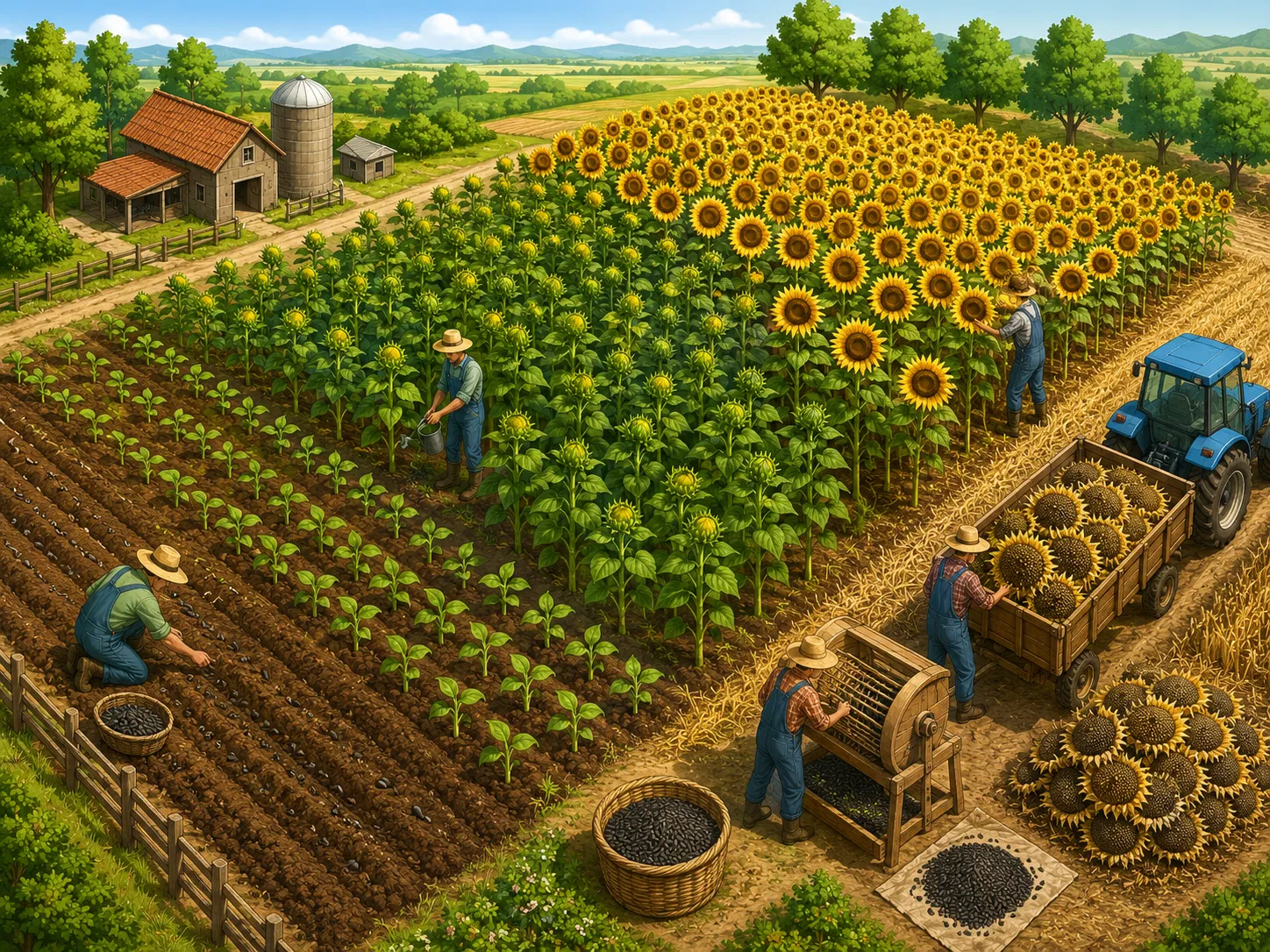
Timing and spacing are key when sowing sunflower seeds. Plant after the last frost when the soil has warmed enough for germination. Direct seeding is the most common method for sunflower farming because the crop does not transplant well.
Planting steps
- Prepare the seedbed: Ensure the soil is loose, moist, and weed-free.
- Mark rows: Space rows according to the variety and farm system.
- Sow seeds: Plant seeds about 1 to 2 inches deep.
- Maintain spacing: Keep plants far enough apart for airflow and head development.
- Water lightly if needed: Support germination without causing waterlogging.
Typical spacing may range from 6 to 12 inches between plants, depending on the variety and whether you are targeting oilseed or larger seed heads. Wider spacing can improve head size, while denser planting may be used for certain production goals.
Irrigation and Moisture Management
Sunflowers are moderately drought-tolerant, but consistent moisture is important during germination, vegetative growth, and flowering. Too much water can cause root diseases, while too little can reduce head size and seed fill.
The most critical moisture periods are:
- Seedling emergence
- Bud formation
- Flowering
- Seed development
Use irrigation only when needed and avoid overwatering. Drip or furrow irrigation can be effective, depending on your farm setup and soil type.
Fertilization for Healthy Sunflower Growth
Sunflowers need balanced nutrition to produce strong stalks and high-quality seed heads. Soil testing is the best way to guide fertilizer decisions, but nitrogen, phosphorus, and potassium are typically the main nutrients to monitor.
General fertilizer considerations
- Nitrogen: Supports leafy growth and plant vigor
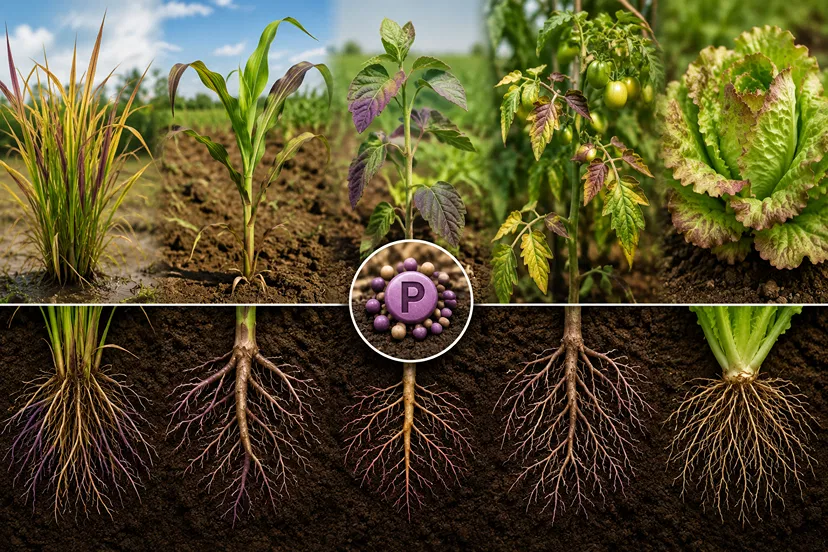
- Phosphorus: Helps root development and early growth
- Potassium: Improves plant strength and stress tolerance
Apply fertilizer based on soil results and crop needs. Too much nitrogen can encourage excessive foliage and reduce seed production, so balance is essential.
Weed, Pest, and Disease Control
Weeds can quickly compete with young sunflower plants for light, nutrients, and water. Early weed control is especially important during the first few weeks after sowing. Cultivation, mulch, and approved herbicides can help manage weed pressure.
Common pests
- Aphids
- Cutworms
- Sunflower beetles
- Stem weevils
Common diseases
- Downy mildew
- Rust
- Alternaria leaf spot
- Sclerotinia rot
To reduce pest and disease risks, use crop rotation, resistant varieties, proper spacing, and field scouting. Healthy airflow through the crop can lower disease pressure, especially in humid regions.
Monitoring Growth Stages
Understanding sunflower growth stages helps farmers time irrigation, fertilization, and crop protection more effectively. From emergence to flowering, the crop passes through several important phases.
- Emergence: Seedlings break through the soil.
- Vegetative stage: Plants develop leaves and stems.
- Bud stage: The flower head begins to form.
- Flowering stage: Pollination occurs, usually attracting many bees.
- Seed fill stage: Seeds develop and mature inside the head.
During flowering, pollination is especially important. Healthy bee activity can improve seed set and final yield, so avoid unnecessary pesticide use during this stage.
When and How to Harvest Sunflowers
Harvest timing has a major effect on sunflower quality and yield. Harvest too early, and seeds may be underdeveloped. Harvest too late, and you risk bird damage, head shattering, and weather losses.
Signs sunflowers are ready to harvest
- The back of the flower head turns yellow to brown
- Bracts begin to dry
- Seeds are plump and firm
- Moisture content is in the desired range for storage or processing
For commercial production, combine harvesting is often used once the crop reaches the correct maturity level. For smaller plantings, heads may be cut and dried before seed removal. Handle the crop carefully to avoid seed loss.
Post-Harvest Handling and Storage
After harvest, proper drying and storage are essential to preserve seed quality. Moisture should be reduced before long-term storage to prevent mold and spoilage. Keep harvested sunflower seeds in a cool, dry, and pest-free environment.
Use clean containers or bags and monitor stored seeds regularly for moisture or insect activity. Good post-harvest handling protects both quality and market value.
Final Thoughts on Sunflower Farming
Sunflower farming can be a profitable and manageable crop enterprise when you follow the right steps from sowing to harvest. Start with the right variety, prepare your soil well, plant at the proper time, and stay consistent with weed, moisture, and pest management. As the crop matures, careful harvest timing and storage will help you protect yield and quality.
If you want better sunflower results season after season, focus on field preparation, timely crop monitoring, and strong post-harvest practices. With the right approach, sunflower farming can deliver both visual appeal and solid returns.