Soybean stem fly can quietly reduce plant vigor before many growers even realize it is present. What starts as subtle feeding damage can turn into stunted growth, weakened stems, and yield loss if it is not caught early. The key to effective soybean stem fly control is knowing the symptoms and spraying at the right time.
If you are managing soybeans and want to protect stand health and productivity, understanding this pest’s life cycle is essential. In this guide, we will cover soybean stem fly symptoms, how to scout for damage, and the spray timing that gives insecticides the best chance of success.
What Is Soybean Stem Fly?
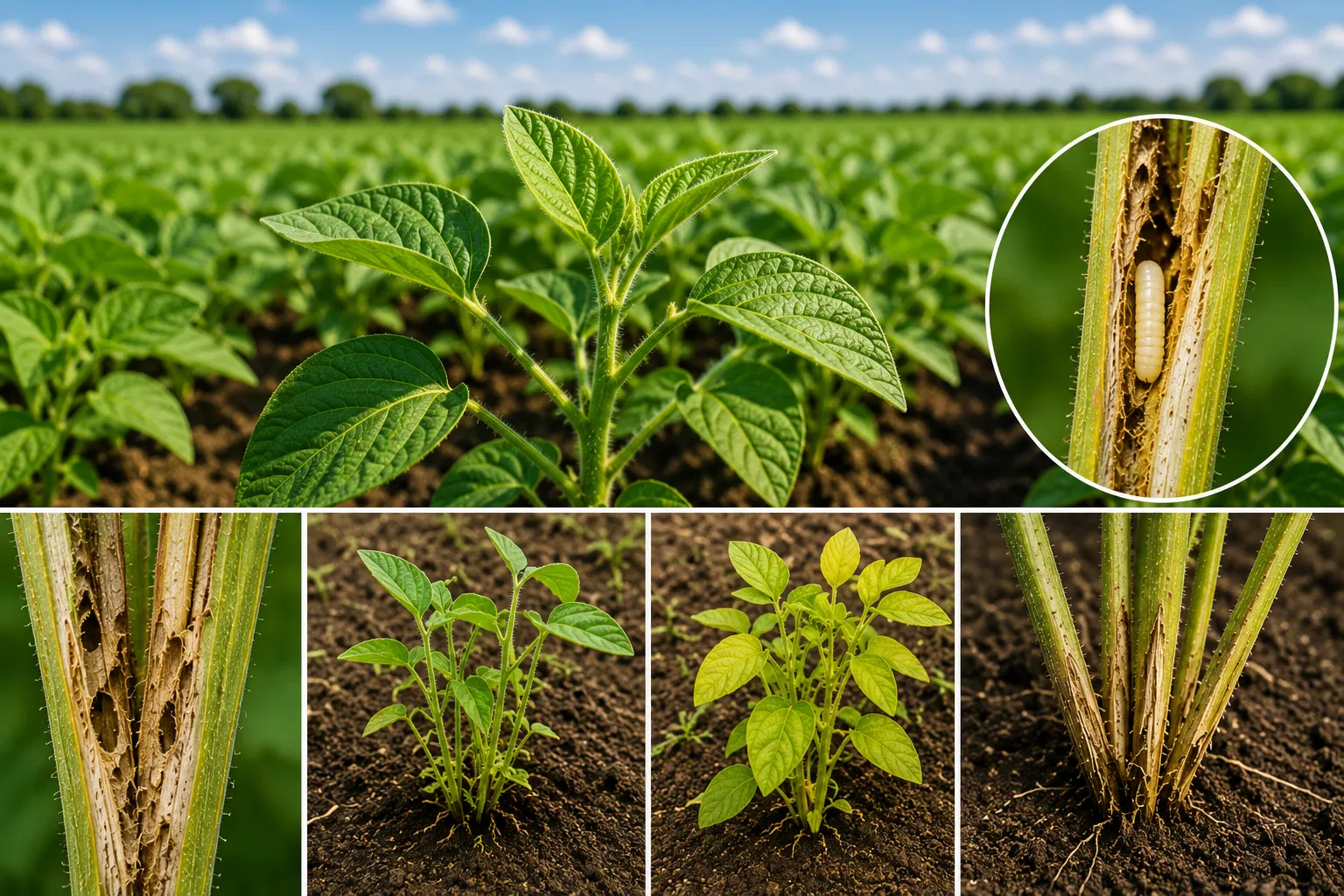
Soybean stem fly is a pest that attacks young soybean plants by feeding inside stems and shoots during early growth stages. The larvae bore into plant tissue, where they are protected from casual observation and, in many cases, from contact sprays once they are established.
Because the damage happens inside the plant, infestations are often overlooked until symptoms become visible. By that point, control is harder and the impact on plant development may already be significant.
Key Symptoms of Soybean Stem Fly Damage
Early detection is one of the most important parts of soybean stem fly control. Watch for these common symptoms:
- Wilted or drooping leaves on otherwise healthy-looking plants
- Stunted growth compared with surrounding plants
- Swollen or weakened stems near the base or growing points
- Internal tunneling or boring damage inside stems
- Reduced branching and poor canopy development
- Plant death in severe cases, especially in young seedlings
In many fields, symptoms may appear patchy. You may see a cluster of affected plants along field edges, in low-lying areas, or in zones where soybean emergence was uneven. Severe infestations can reduce stand uniformity and delay canopy closure, creating additional weed pressure.
Important: Soybean stem fly damage can resemble drought stress, nutrient deficiency, or disease. Always scout carefully before making a treatment decision.
How to Scout for Soybean Stem Fly
Scouting is the foundation of successful soybean stem fly control. The earlier you find the pest, the better your chances of reducing damage.
Step 1: Inspect young plants closely
Focus on seedlings and early vegetative stages, when plants are most vulnerable. Look at both field edges and interior areas, especially if you suspect localized infestation.
Step 2: Split stems if needed
If symptoms are visible but the cause is unclear, carefully split a few stems lengthwise. Larval feeding tunnels, frass, or hollowed tissue may confirm stem fly activity.
Step 3: Check distribution patterns
Note whether the problem is concentrated in one area or spread across the field. This helps determine whether a localized spray or a full-field application is warranted.
Step 4: Monitor regularly
Because stem fly pressure can build quickly, scout every few days during high-risk periods. Frequent checks are especially important after planting and during rapid vegetative growth.
When Is the Best Spray Timing?
Spray timing is critical because insecticides are most effective before larvae are well protected inside stems. Once damage is internal, control becomes much more difficult.
The best time to spray for soybean stem fly is generally:
- At the first sign of adult activity or egg laying
- During early seedling to early vegetative stages
- Before visible stem tunneling becomes widespread
If you wait until plants show severe wilting or stem collapse, the spray may not reverse the injury already done. That is why monitoring and early intervention matter more than reactive treatment.
Why early spray timing works better
Insecticides work best on exposed adults or newly hatched larvae before they enter the stem. Once inside, larvae are shielded by plant tissue, which limits product contact and lowers control success.
For that reason, a well-timed spray can reduce the next wave of damage, protect healthy plants, and help preserve stand uniformity.
What Products Are Used for Soybean Stem Fly Control?
Product selection depends on your region, pest pressure, crop stage, and local label recommendations. In general, growers often rely on registered foliar insecticides for adult suppression or early larval control.
When choosing a product, consider the following:
- Label approval for soybean stem fly or the target pest group
- Timing window for application on soybeans
- Residual activity if pest pressure is extended
- Impact on beneficial insects and integrated pest management goals
- Resistance management by rotating modes of action
Always follow the label exactly. Rates, application timing, and restrictions can vary by product and region.
Application Tips for Better Spray Performance
Even the right insecticide will underperform if coverage is poor or the timing is off. Use these practical steps to improve results:
- Apply early in the infestation cycle before larvae become protected inside stems.
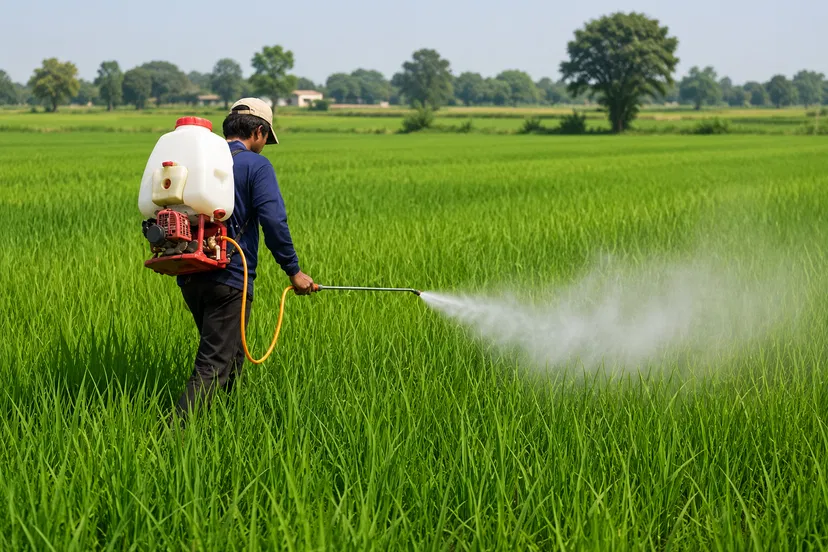
- Use enough water volume to get good canopy and plant contact.
- Target active feeding periods when adults are most likely to be exposed.
- Avoid spraying blindly; confirm pest activity before application whenever possible.
- Check weather conditions to reduce drift and maximize deposition.
If pressure is severe or prolonged, a follow-up scouting pass may be needed to determine whether additional treatment is justified. Do not rely on a calendar alone; base decisions on field observations and pest activity.
Preventive Practices That Support Control
Sprays are only one part of soybean stem fly control. Strong agronomic practices can reduce risk and improve crop resilience.
- Plant uniform, vigorous seed to help seedlings establish quickly
- Manage planting dates to avoid peak pest pressure where possible
- Reduce plant stress from compaction, nutrient imbalance, or moisture extremes
- Scout field edges and problem areas more frequently
- Keep records of infestation levels, symptoms, and spray results for future decisions
Healthy, well-established soybeans are better able to tolerate minor feeding injury than stressed plants. Good agronomy improves the return on any insect control program.
Common Mistakes to Avoid
Many spray failures come from timing or scouting mistakes rather than product choice. Avoid these common errors:
- Waiting until plants are severely damaged
- Assuming wilting is caused by drought without checking stems
- Spraying too late in the larval stage
- Ignoring edge-driven infestations
- Using a product without verifying its soybean label
The sooner you identify soybean stem fly symptoms, the more options you have. Once tunnels are established, the goal shifts from cure to protection of unaffected plants.
Final Takeaway on Soybean Stem Fly Control
Soybean stem fly control depends on two things: accurate symptom recognition and precise spray timing. Look for wilted seedlings, stunted growth, stem tunneling, and patchy damage. Scout early and often, especially during the most vulnerable growth stages.
For the best results, spray before larvae become hidden inside stems and before visible injury spreads across the field. Combine timely insecticide use with strong scouting and sound agronomic practices, and you will be in a much better position to protect stand health and yield.
Bottom line: if you suspect soybean stem fly, do not wait. Scout now, confirm the damage, and act while the pest is still exposed.