Bacterial wilt in brinjal is one of the most frustrating problems a grower can face, because a plant that looked perfectly healthy in the morning can be completely collapsed by evening, with no yellowing or warning signs beforehand. Caused by the soil-borne bacterium Ralstonia solanacearum, it spreads through irrigation water, contaminated soil, and infected transplants, and once it takes hold in a field it can persist in the soil for years, making prevention far more effective than any cure attempted after symptoms appear. Since no chemical spray reliably cures a plant that's already wilting, the most dependable approach combines field-level prevention with a biological seed and soil treatment proven to work against this exact pathogen.
How to Identify Bacterial Wilt in the Field
Bacterial wilt is easy to confuse with heat stress or a nutrient problem at first glance, so it helps to know exactly what to look for before the whole patch is lost. Watch for these signs:
- Sudden wilting with no yellowing: leaves droop and the whole plant collapses while still green, unlike nutrient deficiencies or ageing, which cause yellowing first.
- Wilting that comes and goes early on: in the first few days, plants may look wilted during the hot afternoon and appear to recover overnight; this recovery stops as the infection progresses.
- The bacterial streaming test: cut a wilted stem near the base and dip the cut end in a glass of clear water. A cloudy, milky-white bacterial ooze streaming out within a few minutes is the clearest confirmation of bacterial wilt.
- Brown discolouration inside the stem: slice the stem near the soil line and look for dark brown streaks in the vascular tissue just under the outer layer.
- Patchy spread across the field: the disease usually shows up in patches that expand outward from a single point, often following irrigation channels or low-lying, waterlogged areas rather than spreading evenly.
- Stunted plants and rotted roots: affected plants often stay smaller than healthy ones, and roots may appear water-soaked or discoloured when dug up.
Cultural and Mechanical Control Measures
Because there's no dependable chemical cure once a plant is infected, field-level prevention does most of the work in keeping bacterial wilt out of a brinjal crop. These non-chemical practices go a long way when used together:
- Rotate crops: avoid planting brinjal, tomato, chilli, or potato in the same field for 2–3 years, since they all host the same pathogen. Rotate with cereals or legumes instead.
- Improve drainage: avoid waterlogging and low spots in the field, since the bacterium spreads easily through standing water. Raised beds help keep the root zone from staying wet.
- Remove and destroy infected plants immediately: uproot wilted plants as soon as they're spotted and burn them rather than composting or leaving them in the field, since the bacterium survives in plant debris.
- Avoid working in wet, infected fields: the bacterium spreads on tools, footwear, and hands, so disinfect equipment and avoid moving between infected and healthy areas during or right after irrigation.
- Minimise root injury: be careful during weeding, hoeing, and other intercultural operations, since wounds on roots and stems give the bacterium an easy entry point.
- Solarize nursery beds: cover nursery soil with clear plastic sheeting during peak summer heat for several weeks before sowing to reduce the pathogen load in the soil.
- Use resistant rootstocks where available: grafting brinjal onto resistant wild Solanum rootstocks, such as Solanum torvum, is a widely used approach in fields with a history of bacterial wilt.
- Start with disease-free seedlings: source transplants from a trusted, healthy nursery rather than raising them in soil with a known wilt history.
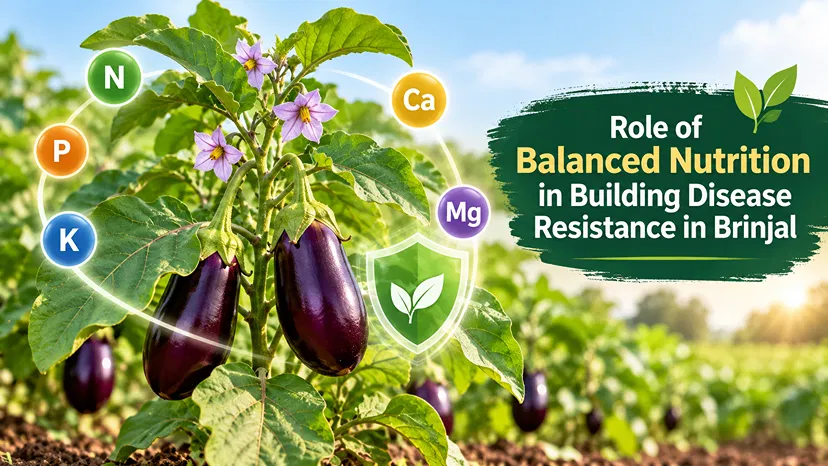
- Balance fertilization: avoid excess nitrogen, which encourages soft, susceptible growth, and maintain adequate potassium to help plants resist infection.
- Practice field sanitation: clear and destroy crop debris after harvest instead of leaving it to break down in the field.
Pseudomonas fluorescens 1.0% WP
Pseudomonas fluorescens is a beneficial soil bacterium that colonizes the root zone before the disease-causing pathogen gets a chance to. It competes with Ralstonia solanacearum for space and nutrients around the roots and produces natural compounds that suppress the pathogen's growth. Because it works preventively, it's most effective when applied as a seed treatment, a nursery bed treatment before the seedlings are planted out, and a soil application at transplanting, giving the young roots a protective zone from the very start. It also helps the plant build up its own resistance over time, which is especially valuable for a disease with no dependable chemical cure.
Product Recommendations
- Utkarsh Sudoz-P
- Multiplex Sparsha
- Margo Ecomonas Bio Fungicide
- Katyayani Striker Bio Fungicide
- EBS Pseudomonas Fluorescence Bio Fungicide
- Amruth Almonas Liquid Bio Fungicide
Disclaimer: Always confirm current label registration, approved dosage, water volume, and pre-harvest interval (PHI) for your state before using any product — labels are periodically revised by regulatory authorities.
This guide is a general advisory. Do your own research and verification before using any product. Always confirm suitability for your crop stage, region, and field conditions before making any purchase, spray, or crop-management decision.